
Flowers
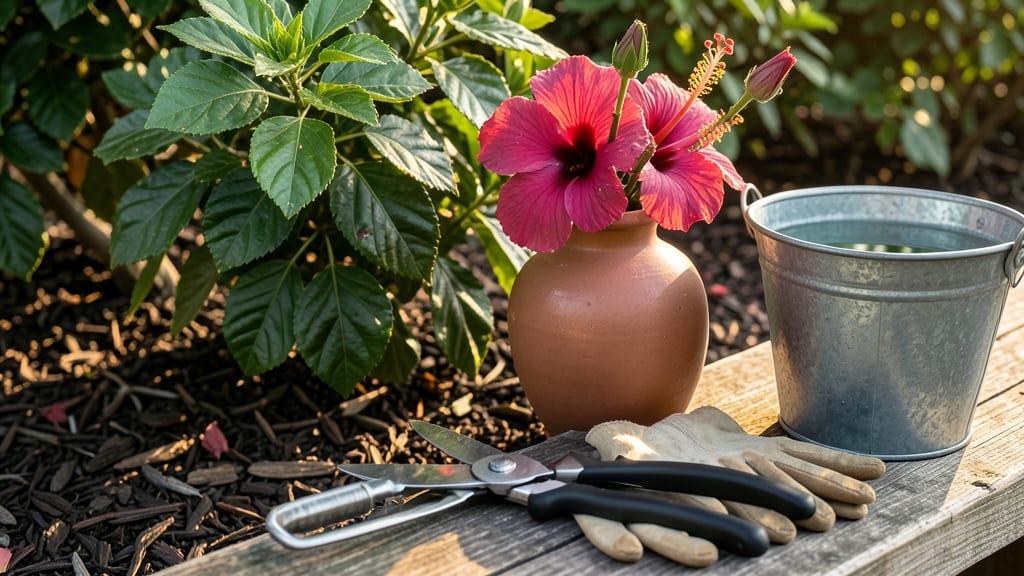
Harvesting hibiscus flowers at the wrong time can mean missing out on their brightest colors and longest-lasting blooms—but getting the timing right transforms your garden into a vibrant, productive paradise.
The secret lies in knowing exactly when those 🌸 beauties are at their peak, and how to snip them without sacrificing your plant’s future blooms.
If you’ve ever wondered why some hibiscus bushes seem to produce flowers endlessly while others struggle, the answer starts with morning harvests and sharp pruning techniques.
Whether you’re growing hibiscus for tea, crafts, or just to admire, the right approach ensures your plant keeps blooming for months—from July through October in most climates.
I’ll walk you through the exact steps to harvest hibiscus flowers for maximum freshness, from recognizing the perfect moment (fully open but not wilted) to using the right tools for clean cuts.
Plus, I’ll share pro tips to encourage even more blooms after harvesting—so your hibiscus doesn’t just survive, it thrives.
Ready to turn your garden into a hibiscus powerhouse? Let’s dive into the best practices that’ll keep your flowers looking stunning and your plant blooming like crazy all season long.


When to harvest hibiscus flowers for maximum yield & plant health
Harvesting hibiscus flowers at the peak of their freshness ensures vibrant colors and encourages your plant to produce more blooms. The best time to harvest is early morning, between 6 AM and 9 AM, when flowers are fully open and dew has evaporated.
This timing prevents wilting and preserves the brightest hues for arrangements or drying.
Look for flowers with fully unfurled petals and slight wilting at the edges—a sign they’ve reached maturity. Avoid harvesting buds or partially open flowers, as they won’t reach their full potential.
For edible hibiscus varieties like Hibiscus sabdariffa, wait until the calyx (the green part) turns deep red before picking.
| Harvest Stage | Key Signs | Best Time |
|---|---|---|
| Bud Stage | Partially closed petals, green centers | Avoid harvesting |
| Fully Open | Bright petals, slight edge wilting | Ideal harvest time |
| Overripe | Drooping petals, brown edges | Skip or use for drying |
Seasonal timing matters too. In USDA Zone 6a, hibiscus typically bloom from June to October, with peak harvests in July and August. For tropical varieties, like Hibiscus rosa-sinensis, harvest year-round in warm climates.
If you’re in a cooler zone, protect your plants from early frosts (after October 30), as cold snaps can damage buds and stems.
To maximize yield, never remove more than 30% of blooms from a single plant at once. Pruning too aggressively can stress the plant and reduce future flowering. Instead, focus on harvesting mature flowers while leaving younger buds intact to ensure a continuous supply.
For edible varieties, like roselle hibiscus, harvest the calyx (the green, bulbous base) when it’s fully ripe and deep red. This part is used to make hibiscus tea and is rich in vitamin C. Rinse the calyces thoroughly to remove any dirt or pests before storing or processing.
After harvesting, handle flowers gently to avoid damaging petals. Place them in a bucket of water or wrap stems in a damp paper towel to keep them fresh until you’re ready to use or dry them.
For long-term storage, air-drying is ideal—hang stems upside down in a well-ventilated, dark space for 1-2 weeks.
If you’re growing hibiscus in containers, be mindful of their size. Dwarf varieties (like 'Lima' hibiscus) produce smaller flowers but follow the same harvesting rules. Always use clean, sharp pruning shears to avoid spreading disease, and disinfect tools with rubbing alcohol between cuts.
Pro tip: Harvesting hibiscus flowers in the morning also helps prevent pests like aphids from infesting freshly cut blooms. If you notice pests, treat the plant with neem oil or insecticidal soap before harvesting to keep your flowers clean and healthy.
Finally, rotate your harvesting spots on the plant to encourage even growth. Focus on outer branches first, then work your way inward. This method helps maintain a balanced shape and prevents overcrowding, which can lead to fewer blooms.
When to harvest hibiscus flowers for maximum yield & plant health
Harvesting hibiscus flowers at the right stage ensures vibrant blooms and encourages your plant to produce even more flowers. The best time to harvest is early morning when flowers are fully open and dew is still present.
This timing preserves their color and fragrance while preventing wilting before you can use them.
Look for fully open blooms with petals that are slightly wilted at the edges—a sign they’ve reached peak maturity. Avoid harvesting flowers that are still partially closed, as they won’t have developed their full color or scent.
Overharvesting can stress your plant, so leave at least 3-5 buds per stem to ensure continuous blooming.
| Harvest Stage | Visual Cues | Best Time | Plant Impact |
|---|---|---|---|
| Bud Stage | Partially closed petals | Avoid harvesting | Stunts growth, reduces blooms |
| Fully Open | Bright color, slight edge wilting | Early morning (6-8 AM) | Encourages new buds, preserves vibrancy |
| Overripe | Wilted, falling petals | Remove immediately | Prevents disease, maintains aesthetics |
Seasonal timing matters too. In USDA Zone 6a, hibiscus blooms peak from July to October. If you’re growing tropical varieties, harvest year-round in warmer climates, but reduce harvesting in winter months to protect the plant. Always use clean, sharp pruners to avoid damaging stems or spreading disease.
After harvesting, rinse flowers gently with cool water to remove debris, then pat dry with a paper towel. Store them in a paper bag in the fridge for up to 3-5 days to maintain freshness.
For long-term use, like drying or crafting, harvest on a cloudy day to prevent rapid wilting.
Pro tip: If you’re harvesting for hibiscus tea, use the calyces (flower bases) instead of the petals. They’re packed with vitamin C and antioxidants! Just ensure they’re fully mature and bright red for the best flavor.
Remember, the key to a thriving hibiscus plant is balance. Harvest wisely, and your plant will reward you with bold blooms all season long. 🌸