
How To
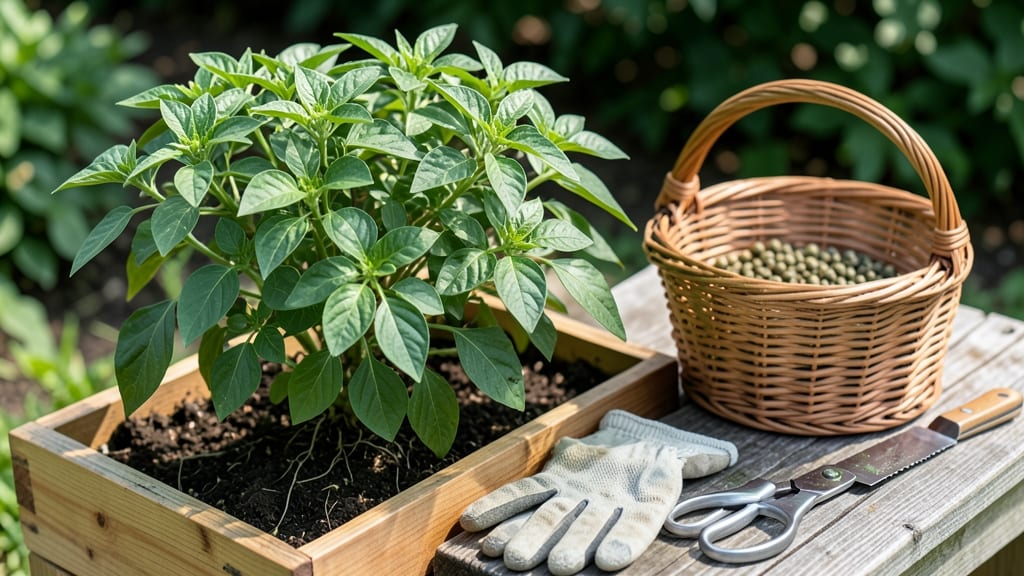
Harvesting peppercorns at the right time transforms your garden's 🌶️ bounty into a flavor explosion—but one wrong move can turn your hard work into bitter disappointment. The secret lies in knowing exactly when those pods are ready, and how to handle them with care to preserve their rich, aromatic potential.
I've spent years perfecting my peppercorn harvests, and what I'm about to share will help you avoid the most common mistakes that ruin flavor and yield. From the perfect color cues to the ideal touch test, we'll cover everything you need to know to time your harvest like a pro.
What makes this even more exciting is that you don't need fancy equipment—just the right knowledge and a little patience. Let me walk you through the simple steps to pick your peppercorns at peak perfection, ensuring you get the most flavorful harvest possible.
Whether you're growing sweet bell peppers or fiery jalapeños, these techniques will work for every variety in your garden. Let's dive into the exact methods that have made my harvests consistently delicious year after year.


When to harvest peppercorns for peak flavor and yield
Timing your peppercorn harvest is everything—pick too early, and you’ll get bland, underdeveloped flavor. Harvest too late, and the pods may shatter or lose their signature heat. The key lies in watching for three critical cues: pod color, texture, and aroma.
Most peppercorn varieties, like Piper nigrum, reach peak readiness in late autumn or early winter, but exact timing depends on your climate and growing conditions.
Start monitoring your pepper plants 8-10 weeks after flowering. This is when pods begin transitioning from green to their mature hue—deep purple-black for black peppercorns or bright red for white peppercorns.
Avoid harvesting based solely on calendar dates; instead, rely on visual and tactile clues to ensure you’re picking at the absolute peak of flavor and potency.
Here’s the golden rule: A ripe peppercorn pod should feel slightly soft to the touch (not mushy) and emit a distinct, spicy aroma when gently crushed between your fingers. If the pod feels hard or lacks fragrance, it’s not ready yet.
Conversely, if it’s already splitting open or crumbling, you’ve missed the window—overripe peppercorns lose their pungency and can develop mold.
| Stage | Pod Color | Texture | Aroma | Harvest Readiness |
|---|---|---|---|---|
| Unripe | Green | Firm | None | Not ready |
| Ripe (Black) | Deep purple-black | Slightly soft | Strong, spicy | Perfect |
| Ripe (White) | Bright red | Firm but yielding | Sweet, earthy | Perfect |
| Overripe | Dull, wrinkled | Mushy or cracked | Faint or moldy | Avoid |
Climate plays a huge role in harvest timing. In warmer regions (Zones 9-11), peppercorns often mature by October or November, while in cooler climates (Zones 7-8), you may need to wait until late November or even December.
If frost threatens before your peppercorns ripen, consider harvesting slightly underripe pods and accelerate drying indoors to salvage the crop. Just be prepared for a milder flavor profile.
Morning is the best time to harvest because pods are fully hydrated, making them easier to pick without damaging the plant.
Use a sharp pair of pruning shears or your fingers to gently twist pods from the vine—never pull or cut too close to the stem, as this can stress the plant. For large harvests, work in batches to avoid overloading your drying space later.
One common mistake gardeners make is assuming all peppercorn varieties ripen at the same time. Black peppercorns and white peppercorns come from the same plant but require different harvesting approaches.
Black peppercorns are picked when fully ripe and dried whole, while white peppercorns are harvested when red, soaked to remove the outer layer, and then dried. Always check your seed packet or plant tags for specific variety-specific guidance.
Pro tip: If you’re unsure about readiness, pick a few pods as test samples. Dry them and taste one—if it’s bland, wait a few more days. If it’s overly sharp or bitter, you’ve missed the sweet spot. This trial-and-error method helps you fine-tune your timing for future harvests.
Finally, keep an eye on the weather forecast in the days leading up to your harvest. If rain is predicted, harvest early to prevent mold growth during drying. Conversely, if you’re facing a dry spell, prioritize harvesting to avoid stressing the plant.
The goal is to time your harvest for optimal flavor, yield, and post-harvest success.
Once you’ve mastered the art of spotting the perfect peppercorn, you’ll unlock a year-round supply of homegrown spice—no store-bought substitute can compare! 🌶️
Step-by-step peppercorn harvesting process
Now that you’ve grown your pepper plants to maturity, the real magic happens during harvest. The key is gentle handling—peppercorns bruise easily, and rough methods can ruin their delicate flavor.
Start by gathering your tools: sharp pruning shears (for larger clusters), gloves (to protect from thorns), and a large tray or basket lined with paper towels to catch the pods.
Work on a dry, sunny day when humidity is low. This minimizes mold risk and helps the pods dry faster. If your plants are tall, use a small step stool to avoid straining.
Remember, speed matters—once you start harvesting, work efficiently to keep the pods from wilting or overripening while you work.
Look for pods that are deep black or dark brown, slightly wrinkled, and emit a strong, spicy aroma when crushed between your fingers. Avoid pods that are still green or have soft spots.
For small clusters, twist pods gently until they separate. For larger branches, use pruning shears to cut stems 1 inch above the pod. Never pull or yank—this can damage the plant.
Place pods in a bowl and roll them under your palm to loosen the peppercorns. Alternatively, use a clean rolling pin for larger batches. Discard any pods that feel mushy or have mold.
Spread peppercorns on a wire rack or baking sheet in a warm, dry, well-ventilated area (like a sunny windowsill or dehydrator set to 115°F). Avoid direct sunlight to prevent burning.
Once completely dry (2-4 weeks), transfer peppercorns to an airtight glass jar and store in a cool, dark place. Label with the harvest date—they’ll stay fresh for up to 5 years!
Pro tip: If you’re short on time, you can speed up drying by using an oven on the lowest setting (170°F) for 1-2 hours, stirring occasionally. Just monitor closely to avoid overheating, which can scorch the peppercorns and dull their flavor.
After harvesting, give your pepper plants a light trim to encourage new growth. Remove any damaged or diseased pods immediately to prevent pests from moving in. With proper care, your plants may even produce a second flush of pods later in the season!
🌿