
Size
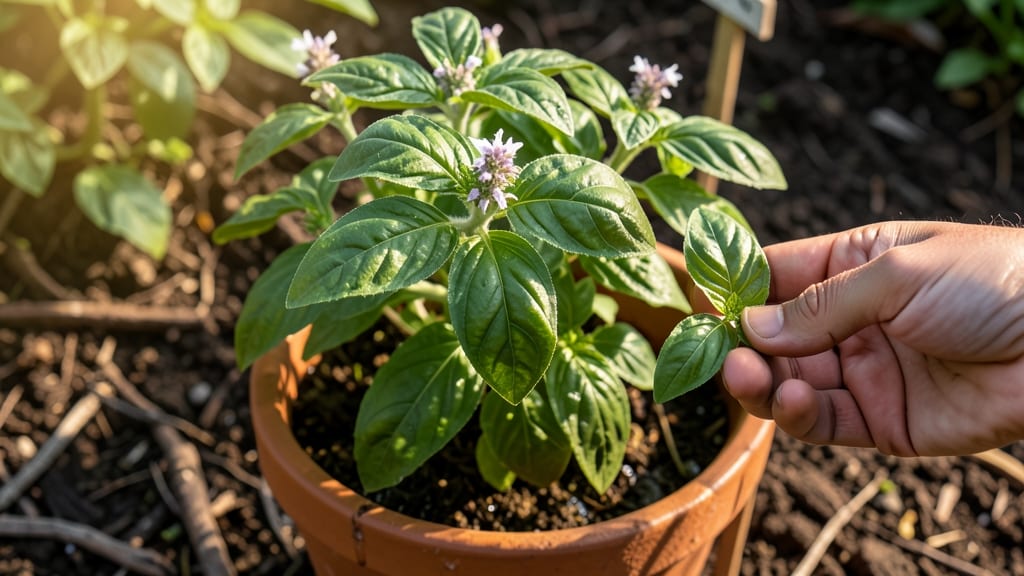
How to help basil grow—sunlight is its secret weapon, with 6+ hours daily turning floppy stems into thick, fragrant bushes. 🌿 I’ve watched basil go from sad store-bought sprigs to towering, purple-stalked giants by mastering just three things: light, water, and pruning. The rest is easy once you know the basics. Most people overwater or underlight basil, both of which stunt growth. Use well-draining potting mix (or loose garden soil) and water only when the top inch feels dry. Too much moisture causes root rot, while too little makes leaves crisp. A south-facing window or 4-6 hours of direct sun is non-negotiable—basil wilts dramatically without enough light. By pruning regularly (pinch off top leaves when plants hit 6 inches), you encourage bushier growth and prevent legginess. My basil plants now produce harvests for months instead of bolting after two weeks. The key is consistency—don’t let it get too crowded or too thirsty. Works in containers, raised beds, or ground soil. Pair it with tomatoes or peppers for a mutually beneficial garden duo. Here’s how to keep yours thriving all season.
📚 In This Guide
- What you need
- Instructions
- Tips and common mistakes
- Wrapping up and next steps
What you need
- ● Basil seeds or seedlings: Choose Sweet Basil, Genovese, or Thai Basil for best results. If starting from seed, buy 1 packet (50+ seeds) for a full harvest.
- ● Containers: For seeds: 4–6-inch pots (2–3 pots per seed packet) with drainage holes.
- ● For seedlings: 6–8-inch pots or a 5-gallon grow bag (if transplanting outdoors).
- ● Potting mix: 1 bag (12–18 qt) of well-draining, sterile mix (e.g., 60% peat/coir, 30% perlite, 10% compost). Avoid garden soil—it’s too dense!
- ● Sunlight: A south-facing window (6+ hours of direct sun) or a grow light (12–16 hrs/day for indoor setups).
- ● Watering can with a narrow spout (to avoid disturbing soil).
- ● Spray bottle (for gentle seedling hydration).
- ● Pruning shears or clean scissors (to pinch stems for bushier growth).
- ○ Fertilizer: Balanced liquid fertilizer (10-10-10 or 5-5-5) or compost tea (optional but recommended every 2–3 weeks).
- ○ Mulch: Straw or shredded leaves (1–2 inches) to retain moisture (optional for outdoor pots).
- ● Support: Small stakes or cages (if growing tall varieties like Genovese).
- ● 🌡️ Temperature: Basil thrives in 70–80°F (21–27°C). Avoid drafts or temps below 50°F (10°C).
- ● 💧 Water: Keep soil consistently moist (not soggy). Basil hates dry spells!
- ● 🕒 Patience: Seeds sprout in 7–14 days; full harvest takes 6–8 weeks.
Step-by-Step instructions for cultivating thriving basil plants
Here’s how I coax basil into its lushest, most flavorful state—no gardening degree required.
🌱 Step 1: Choose the Perfect Spot for Sun and Airflow
Basil demands 6-8 hours of direct sunlight daily—that’s non-negotiable. A south-facing window or balcony works, but if your space is shadier, supplement with a grow light kept 4-6 inches above the plant. I’ve seen basil bolt (flower prematurely) when light is inconsistent, so consistency matters more than intensity.
Equally critical is airflow. Crowded pots or enclosed spaces trap humidity and invite fungal diseases like powdery mildew. Space plants 12-18 inches apart and place a small fan on low nearby—just enough to rustle leaves. You’ll notice healthier stems and fewer pests when airflow circulates.
💧 Step 2: Water Deeply but Infrequently
Basil hates soggy roots, so I water only when the top 1-2 inches of soil feel dry to the touch. Stick your finger in—if it’s damp, wait. When you water, do it deeply at the base until water runs out the drainage hole. This encourages roots to grow downward instead of sitting in shallow moisture.
Here’s the thing—basil is drought-tolerant but not flood-tolerant. Yellowing leaves often mean overwatering, not underwatering. If you see lower leaves wilting, check the soil first. If it’s bone-dry, water immediately. If it’s still damp, trim the yellow leaves and adjust your schedule.
☀️ Step 3: Prune for Bushiness and Flavor
Pinch off the top set of leaves (just above a pair of lower leaves) when the plant reaches 6 inches tall. This shock tells the plant to branch out instead of growing leggy. I repeat this every 2-3 weeks—it’s the secret to dense, bushy growth. Without pruning, basil grows tall and sparse, with fewer leaves for harvest.
Never cut more than ⅓ of the plant at once. You’ll stunt its growth, and the shock can stress the plant. Watch for new side shoots forming within 7-10 days—that’s your reward for pruning. Harvest leaves regularly too; pinching and harvesting together keeps the plant producing flavorful new growth.
✂️ Step 4: Fertilize Lightly and Strategically
Basil needs very little fertilizer—overdoing it leads to leafy growth at the expense of flavor. Every 4-6 weeks, mix a ¼-strength liquid fertilizer (like a balanced 10-10-10) into the water when you water deeply. I avoid granular fertilizers; they can burn tender basil roots.
If your basil starts growing fast but tastes bland, it’s getting too many nutrients. Flush the soil with plain water to leach out excess salts. Organic options like compost tea (applied monthly) work well too—just dilute it to half-strength. Basil thrives on gentle feeding, not heavy-handed care.
🪴 Step 5: Protect from Pests and Heat Stress
Watch for aphids or spider mites—they love basil’s tender leaves. I spray plants with neem oil (mixed 1:10 with water) at the first sign of pests. For severe infestations, repeat every 3-4 days until they’re gone. Neem oil is safe for edible plants but kills pests on contact.
Basil also struggles in extreme heat (above 90°F). If your plant wilts despite moist soil, it’s heat-stressed. Move it to partial shade and mist leaves lightly in the afternoon. Mulch around the base with 1 inch of straw to keep roots cool. You’ll see leaves perk up within hours.
Tips & tricks for perfect basil growth
A few simple adjustments can transform your basil from struggling to thriving—here's what I've learned the hard way.
Light Consistency: That 6-8 hours of sunlight in Step 1 isn't just about quantity—it's about consistency. I've seen basil bolt (flower prematurely) when exposed to erratic light patterns, like moving it between sunny and shady spots. Place your plants in one location and rotate the pot ¼ turn every few days for even growth. A south-facing window gives the most stable light, but if you're using a grow light, keep it 4-6 inches above the plant and on a timer for 12-14 hours daily. The key is mimicking natural daylight patterns as closely as possible.
Soil Moisture Test: The finger test in Step 2 works, but here's what nobody tells you—press your finger about 1 inch deep into the soil. If it feels damp at that depth, wait another day. I learned this after losing two basil plants to overwatering; they looked thirsty but were actually drowning. For container plants, stick a chopstick in the soil—when it comes out dry, it's time to water. This helps avoid the "damp but not soggy" gray area that confuses beginners.
Pruning Precision: When you reach the 6-inch mark in Step 3, look for the pair of leaves just below the top set. That's where you want to pinch—never cut through a leaf joint. I've made the mistake of cutting too low, which can damage the plant's growth points. Use clean fingernails or small scissors for pinching. For harvesting, take only the outer leaves to maintain the plant's shape. This keeps your basil bushy and productive for months.
Heat Stress Prevention: The 90°F threshold in Step 5 is crucial, but here's how to prepare before you hit that temperature. Start acclimating your basil to higher temps by moving it outdoors gradually if you're transitioning from indoor to outdoor growing. Place it in partial shade for a few hours each day, then slowly increase exposure. Mulching with 1 inch of straw (as mentioned) helps, but also consider using a light-colored pot—it reflects some of the heat away from the roots. A simple spray bottle keeps leaves hydrated during heatwaves without creating soggy soil conditions.
Pro Tips for Help Basil Grow
- A few simple adjustments can transform your basil from struggling to thriving—here's what I've learned the hard way.
- Light Consistency: That 6-8 hours of sunlight in Step 1 isn't just about quantity—it's about consistency.
- Soil Moisture Test: The finger test in Step 2 works, but here's what nobody tells you—press your finger about 1 inch deep into the soil.
Frequently asked questions
Got questions about growing basil? You’re not alone! Here are some of the most common queries—and their easy, expert-backed answers to keep your basil thriving.
How often should I water basil?
Water basil when the top inch of soil feels dry—usually every 2–3 days in hot weather. Overwatering is a big no-no! Ensure pots have drainage holes to prevent soggy roots. Pro tip: Water at the base (not the leaves) to avoid fungal issues like downy mildew.
How long does it take for basil to grow from seeds?
Expect 7–14 days for seeds to sprout, with full maturity (ready for harvest) in 6–8 weeks. If starting with seedlings, you’ll see faster growth—just keep them warm (70°F+ is ideal) and consistent with water. Patience pays off!
Why is my basil turning yellow?
Yellow leaves often mean overwatering, nutrient deficiency, or too much shade. Check soil moisture first—let it dry slightly between waterings. If leaves are pale, add a balanced fertilizer (like 10-10-10) every 4–6 weeks. Yellow edges? Could be heat stress—provide afternoon shade in extreme heat.
Can I grow basil indoors without sunlight?
Yes! Use a grow light (12–16 hours/day) 6–12 inches above plants. South-facing windows work too, but supplement with light in winter. No grow light? Try a sunny windowsill (4+ hours of direct sun daily). Rotate pots weekly for even growth.
When is the best time to harvest basil?
Harvest regularly to encourage bushier growth! Pinch off leaves just above a pair of leaves when the plant is 6–8 inches tall. For maximum flavor, harvest in the morning after dew dries. Never take more than 1/3 of the plant at once—or you’ll stunt its growth!
What can I do with basil that won’t grow?
If your basil is struggling, try these fixes:
- Revive leggy plants: Trim back by 1/3 and move to a sunnier spot.
- Fix root rot: Repot in fresh, well-draining soil and reduce water.
- Boost flavor: Let it bolt (flower) for a few days—heat-stressed basil often tastes stronger!
Wrapping up and next steps
Growing lush, fragrant basil is easier than you think—just follow the sun-exposed secrets we’ve shared! With the right soil, consistent sunlight, and a little TLC, your basil will thrive and reward you with vibrant leaves perfect for cooking or garnishing. 🌿
Now that you’re armed with the knowledge, it’s time to roll up your sleeves and plant. Start with a single pot or seed, and soon, you’ll have a thriving basil garden that’s the envy of your neighborhood. Happy growing! 🌱