
How To
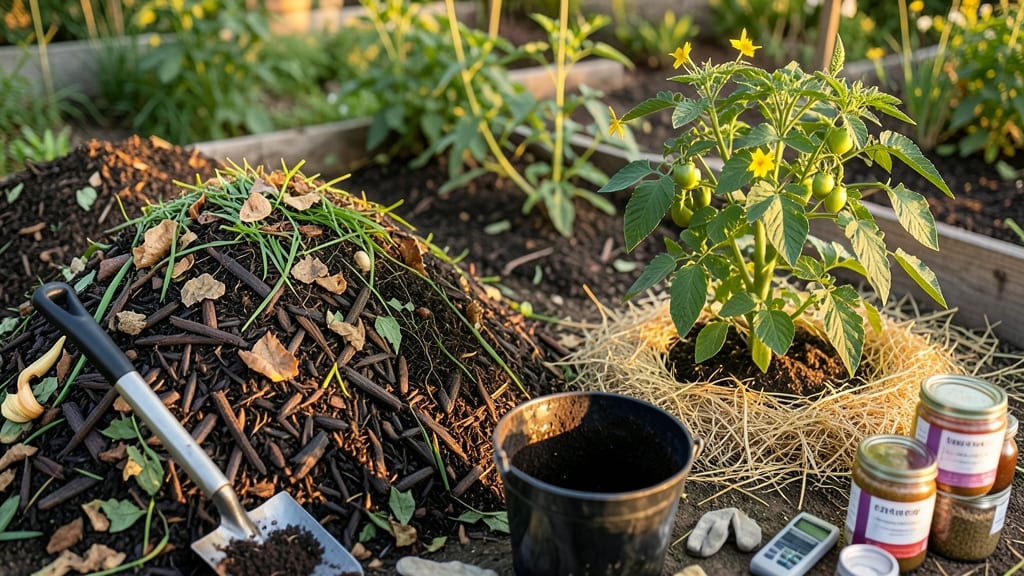
How to increase organic matter in soil isn’t just about dirt—it’s the game-changer for every thriving plant. 🌱 I've turned my heavy clay into a fluffy, nutrient-rich growing medium by focusing on organic matter, and the difference in my garden's productivity is night and day.
The secret isn't complicated: feed the soil, not just the plants. We're talking compost, mulch, cover crops, and organic amendments that break down over time. Even my black thumb can't mess this up once you understand the basics—no fancy equipment needed, just patience and the right techniques.
You'll see plants with stronger roots, better drought resistance, and vibrant growth within one growing season. The soil itself becomes darker, crumbles easily, and holds moisture like a sponge instead of baking dry or turning to mud.
Works for vegetable gardens, flower beds, and even container plants. Let's get your soil working harder for you—starting with these simple but powerful methods.
📚 In This Guide
- What you need
- Instructions
- Tips and common mistakes
- Wrapping up and next steps
What you need
- ● Compost: 5–10 gallons of well-aged, decomposed compost (avoid fresh manure or diseased plant material). Pro tip: Look for dark, crumbly compost with an earthy smell!
- ● Organic matter sources (pick 2–3): Leaf mold (shredded leaves, aged 6+ months)
- ● Peat moss or coconut coir (for moisture retention)
- ● Worm castings (1–2 cups per 5 sq ft for a nutrient boost)
- ● Grass clippings (fresh but not treated with herbicides)
- ● Wood chips or straw (coarse texture for aeration)
- ● Water: 5–10 gallons of dechlorinated water (let tap water sit out for 24 hours or use rainwater).
- ○ Molasses or compost tea starter: 1–2 tbsp per 5 gallons of water (optional but highly recommended for microbial activation).
- ● Brewer’s bucket or burlap sack: 5–10 gallon capacity (with a lid or mesh cover to prevent pests).
- ● Stirring stick or paddle: Wooden or plastic (avoid metal to prevent contamination).
- ● Fine mesh bag or cheesecloth: For straining compost tea (100–200 micron mesh ideal).
- ● Garden fork or spade: For mixing amendments into soil.
- ○ pH test kit (optional): To monitor soil pH (aim for 6.0–7.0 for optimal microbial activity).
- ● Gloves & protective eyewear: Safety first when handling organic materials!
- ● Beneficial microbes: Add 1 cup of liquid fish emulsion or kelp extract per 5 gallons for extra microbial diversity.
- ● Epsom salt: 1 tbsp per 5 gallons (boosts magnesium and sulfur).
- ● Compost tea aerator: A small aquarium pump with an air stone (keeps tea oxygenated for 24–48 hours).
- ● Soil moisture meter: Ensures your amendments are properly hydrated before application.
Tips & tricks for perfect soil nutrient boost
These simple strategies will help you get the most out of your compost tea process and transform your soil into a thriving ecosystem.
Quality Matters: The foundation of great compost tea starts with your 1 pound of well-aged compost. Look for compost that's dark, crumbly, and smells earthy—not sour or rotten. I've learned this the hard way: using undercomposted material can introduce harmful bacteria. If your compost smells funky, let it decompose longer or mix in more mature compost. This step is where the magic begins, so don't skimp on quality.
Timing Secret: Those 24-48 hours of steeping might seem like a long wait, but this is when beneficial microbes really get to work. Place your bucket in a shady spot to prevent algae growth (which can happen in direct sunlight) and stir gently every 12 hours to keep oxygen flowing. You'll know it's ready when the liquid takes on that rich, tea-like color and smells fresh—like a forest floor after rain. Patience here pays off with better results.
Make-Ahead Strategy: You can prepare compost tea up to 24 hours in advance, but use it fresh whenever possible. If you need to store it, keep it in the fridge for up to 3 days in a sealed container. I've found that prepping a batch on Sunday gives me fresh tea for midweek applications, which is perfect for maintaining consistent soil health. Just remember to give it a good stir before using stored tea to redistribute settled nutrients.
Application Technique: When applying your 1 gallon per 100 square feet, aim for slow, deep watering rather than a quick surface spray. This ensures the nutrient-rich liquid penetrates to the root zone where it's most needed. For container plants, use ½ cup per gallon pot and water until it runs through the drainage holes. The goal is to soak the soil without creating runoff—you'll see the darkening effect as the tea works its way into the soil structure.
Pro Tips for Increase Organic Matter In Soil
- These simple strategies will help you get the most out of your compost tea process and transform your soil into a thriving ecosystem.
- Quality Matters: The foundation of great compost tea starts with your 1 pound of well-aged compost.
- Timing Secret: Those 24-48 hours of steeping might seem like a long wait, but this is when beneficial microbes really get to work.
Frequently asked questions
Got questions about boosting your soil’s organic matter?
Here are answers to the most common ones—so you can grow lush, thriving plants with confidence!
How long does it take to see results from adding organic matter?
Results vary, but you’ll often notice improvements in 3–6 months—especially in soil structure and moisture retention. For compost tea, effects can be seen in 2–4 weeks if applied consistently. Patience pays off, though! Test your soil every 6 months for the best insights.
Can I add too much organic matter at once?
Yes! Overdoing it—like piling on fresh manure or thick compost layers—can deplete nitrogen as microbes break it down, temporarily "robbing" your plants. Start with a 1–2 inch layer and mix it into the top 6 inches of soil. For compost tea, dilute it properly (1:10 ratio) to avoid overfeeding.
What’s the difference between compost and compost tea?
Compost is solid organic matter (like decomposed leaves or kitchen scraps) that improves soil structure long-term. Compost tea is a liquid extract packed with microbes and nutrients, ideal for a quick boost—think of it as a fertilizer shot for your soil’s microbiome! Use both for balanced growth.
My soil smells bad after adding organic matter—what’s wrong?
A foul odor usually means anaerobic conditions (lack of oxygen), which happens when organic matter decomposes too quickly. To fix it:
- Fluff the soil with a rake or aerate it.
- Avoid compacting it (e.g., heavy foot traffic).
- Use well-aged compost or slow-release materials like straw.
- If using compost tea, ensure it’s aerated during brewing.
Are there cheap or free ways to increase organic matter?
Skip the store-bought options and try these:
Free/Low-Cost Option
How to Use
Leaf mold
Collect fallen leaves, dampen them, and let them decompose in a bin for 6–12 months.
Grass clippings
Mow and leave them on the lawn (or mix into garden beds) as a nitrogen-rich top layer.
Coffee grounds
Sprinkle used grounds around plants (they add nitrogen and attract worms!).
Cardboard/newspaper
Shred and use as a mulch layer under compost or plants—it breaks down slowly.
Wrapping up and next steps
Increasing organic matter in your soil is a game-changer for healthier plants and a thriving garden! 🌱 Whether you’re using compost tea, mulch, or cover crops, every small effort adds up to richer, more fertile soil.
Start with one method—like brewing your first batch of compost tea—and watch your garden flourish over time.
Ready to take the next step? Pick a technique that fits your space and schedule, then experiment! Your plants—and future harvests—will thank you. Happy gardening! 🌿✨