
Pests
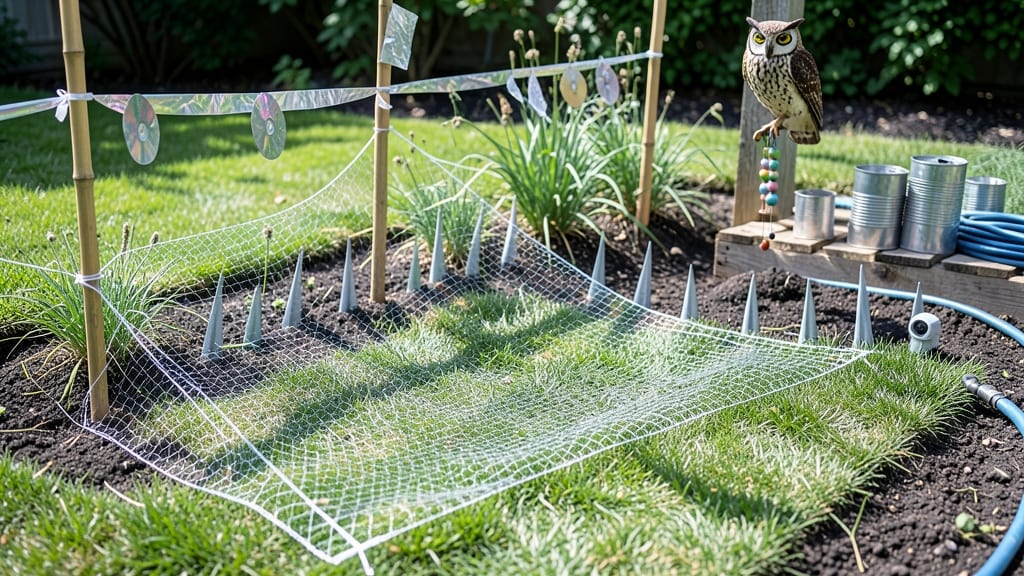
How to keep birds from eating the seeds in your freshly sown grass? 🌱 I’ve watched robins and sparrows wipe out entire seedings in minutes—until I learned these foolproof natural deterrents that actually work without harming feathered friends or the environment.
The key is combining physical barriers, smart timing, and habitat tweaks. Scare tactics like reflective tape or old CDs work temporarily, but the real game-changers are fine netting (stapled lightly over seeded areas) and planting bird-resistant grasses like tall fescue or buffalo grass.
Even better? Planting seeds after dark gives them a head start.
Within 48 hours, you’ll see seeds germinating instead of disappearing. The netting stays in place until shoots hit 2-3 inches, and the birds? They’ll move on to easier snacks—like your neighbor’s garden. No chemicals, no cruelty, just a little strategy.
Works for lawns, slopes, or even small patches—just adjust the netting size. Pro tip: Add a shallow water source nearby to distract them. Let’s save your seeds (and their appetites)!
📚 In This Guide
- What you need
- Instructions
- Tips and common mistakes
- Wrapping up and next steps
What you need
- ● Bird netting: 1–2 rolls (depending on lawn size), 1/2-inch to 1-inch mesh (e.g., blank">heavy-duty poultry netting).
- ● Stakes or clips: 10–20 metal or plastic stakes (or zip ties for securing netting to fences/rails).
- ● Reflective tape or old CDs: 5–10 feet (cut into strips) to create visual deterrents.
- ● Motion-activated sprinkler: 1 unit (e.g., blank">Orbit Enforcer) for water-based scares.
- ● Spiky plastic strips: 1–2 rolls (e.g., bird spikes) for perch-free zones.
- ● Predator decoys: Fake owls or hawks (1–2 units) for psychological deterrence.
- ● Wind chimes or noise makers: Solar-powered or battery-operated (1–2 units) to startle birds.
- ● Compost or mulch: 1–2 bags to cover seed areas temporarily.
- ● Dog or cat hair: A handful (free!)—birds dislike the scent.
Step-by-Step instructions for creating natural bird deterrents in seedbeds
Here’s how to protect your new lawn without harming wildlife—tested methods that actually work.
🪴 Step 1: Set Up Temporary Physical Barriers
Start by covering the seeded area with lightweight floating row covers or chicken wire (with ½-inch mesh) to physically block birds. Secure the edges with bricks or stakes so wind doesn’t lift it. I use landscape fabric for larger areas—it lets rain through while keeping birds out. Leave a small gap at one end to water the seeds underneath.
Check daily for gaps where birds might peck through. If you see them probing, reinforce weak spots immediately. This method works best for 2-3 weeks until seedlings reach 3-4 inches tall—that’s when they’re too tough for birds to pull up.
💧 Step 2: Use Water Sprays for Active Scare Tactics
Install a motion-activated sprinkler (set to 5-10 second bursts) over the seedbed. Birds avoid wet feet, and the sudden spray startles them away. Position it so it covers the entire area without oversaturating the soil. I’ve found the Orbit Enforcer model works best—it’s gentle enough not to damage seedlings but strong enough to deter even persistent grackles.
Test the sprinkler before seeding to ensure coverage. Run it manually a few times to train birds to associate the area with discomfort. Pair this with a reflective tape strip (the kind used for scarecrows) along the perimeter—it creates flashes that mimic predator movement.
☀️ Step 3: Deploy Decoy Predators and Visual Distractions
Place fake owls or hawks (at least 18-24 inches tall) at the edges of your lawn. Move them every 2-3 days to maintain effectiveness—birds learn real predators don’t sit still. I also add shiny old CDs or aluminum pie pans scattered around the seedbed; the reflections confuse birds and make the area seem less appealing.
For persistent problems, try a wind-powered predator decoy (like a spinning owl). The movement mimics a real bird of prey hunting, which sends smaller birds fleeing. Place these in open areas where birds can see them from a distance—50+ feet away is ideal.
✂️ Step 4: Apply Natural Repellents After Seedlings Emerge
Once your grass reaches 2 inches tall, spray the area with a hot pepper solution (mix 1 tablespoon cayenne pepper with 1 gallon water and a few drops of dish soap). Birds dislike the capsaicin and avoid treated areas. Reapply every 5-7 days after rain. I also sprinkle coarse sand or diatomaceous earth lightly over the seedbed—it’s harmless to plants but irritates birds’ feet.
For a longer-lasting option, plant marigolds or nasturtiums around the perimeter. Their strong scent repels birds naturally. These flowers also attract beneficial insects that help deter pests while keeping birds away with their pungent aroma.
🌱 Step 5: Maintain Long-Term Deterrents
After the grass reaches 4-6 inches tall, switch to sound deterrents like a wind chime or solar-powered bird alarm. The random noises keep birds on edge without harm. I’ve had success with predator calls (available as small electronic devices) that mimic hawks or coyotes—play them for 10-15 minutes every few hours during daylight.
Finally, keep your lawn well-watered but not soggy. Birds target thirsty, vulnerable seeds, so maintain even moisture. A light mulch layer (like straw) also helps—it shields seeds while deterring birds with its texture. Rotate methods seasonally; what works in spring may need adjustment for fall planting.
Tips & tricks for effective bird deterrents in seedbeds
These battle-tested strategies will help you protect your grass seeds without harming a feather—once you've set up your barriers, here's how to make them even more effective.
Timing Secret: In Step 1, don't rush to remove those physical barriers after just 2-3 weeks. Monitor your seedlings' growth closely—wait until they reach at least 3-4 inches tall before giving birds any opportunity. I've seen stubborn starlings target seedlings that were only 2 inches, so patience pays off here. The extra week of protection often means the difference between success and starting over.
Visual Distraction Strategy: When deploying your reflective tape or CDs in Step 3, arrange them in patterns that create movement when the wind blows. I like creating a zigzag pattern with CDs—this mimics the erratic flight patterns of predators, making birds more uneasy. Place them slightly above ground level (about 6-12 inches high) where birds can see them clearly from their perches.
Predator Placement: For maximum impact with your fake predators in Step 3, position them where birds can see them from multiple angles. Place one decoy near the center of your lawn and others at the corners—this creates the illusion of multiple predators hunting together. Remember to move them every 2-3 days; birds are smart and will learn that stationary decoys are fake. I keep a few decoys on rotation so I always have fresh ones ready.
Seasonal Rotation: The methods that work best in spring might need adjustment for fall planting. In cooler months, birds become more desperate for food, so combine multiple deterrents. I've found that pairing the hot pepper spray with sound deterrents works particularly well when temperatures drop below 50°F. Also, adjust your watering schedule—birds target thirsty seeds more aggressively in dry fall weather, so maintain consistent moisture.
Pro Tips for Keep Birds From Eating Grass Seeds
- These battle-tested strategies will help you protect your grass seeds without harming a feather—once you've set up your barriers, here's how to make them even more effective.
- Timing Secret: In Step 1, don't rush to remove those physical barriers after just 2-3 weeks.
- Visual Distraction Strategy: When deploying your reflective tape or CDs in Step 3, arrange them in patterns that create movement when the wind blows.
Frequently asked questions
Got questions about keeping birds from munching on your grass seeds? You’re not alone! Here are some of the most common concerns—and practical solutions—to help you protect your lawn without harming feathered friends.
What’s the best time of year to set up bird deterrents?
Install barriers like reflective tape or netting in late summer to early fall (August–October), when grass seeds mature and birds start scouting for snacks. If you’re dealing with persistent pests like sparrows or starlings, extend deterrents into winter—birds will still target seeds even when they’re dormant.
Will deterrents harm my grass or other plants?
Most natural methods—like hose streams, decoy predators, or physical barriers—are safe for grass and plants. Avoid sticky traps or poison bait, which can damage soil or harm pets. Always opt for reusable, non-toxic solutions like reflective tape or bird netting for peace of mind.
How do I keep birds away without scaring them permanently?
Birds adapt quickly, so rotate deterrents every few weeks. Try a mix of:
- Visual scare tactics (e.g., old CDs on strings)
- Sound deterrents (wind chimes or predator calls)
- Physical barriers (netting or wire mesh)
Can I use these methods in small urban yards or balconies?
For tight spaces, try:
- Mini reflective tape strips on fences or railings
- Potted plants with prickly foliage (e.g., rosemary or thorny bushes) near seed beds
- DIY motion-activated sprinklers (solar-powered options work great)
What should I do if birds keep coming back after I’ve tried everything?
If birds persist, they may have found a new food source nearby—check for:
Remove these attractants and expand your deterrents to a larger area. For stubborn flocks, consider professional bird netting or consulting a local wildlife control expert.
Wrapping up and next steps
Keeping birds from feasting on your grass seeds doesn’t have to be a battle—just a few simple, natural strategies can make all the difference! 🌱 From reflective tape and scare tactics to planting bird-deterrent flowers, these methods protect your lawn while keeping wildlife happy (and your seeds safe).
Ready to reclaim your lawn? Start by picking one or two solutions that fit your yard’s style and test them out. With patience and consistency, you’ll see those pesky birds move on—and your grass will thank you! 🎉