
Pests
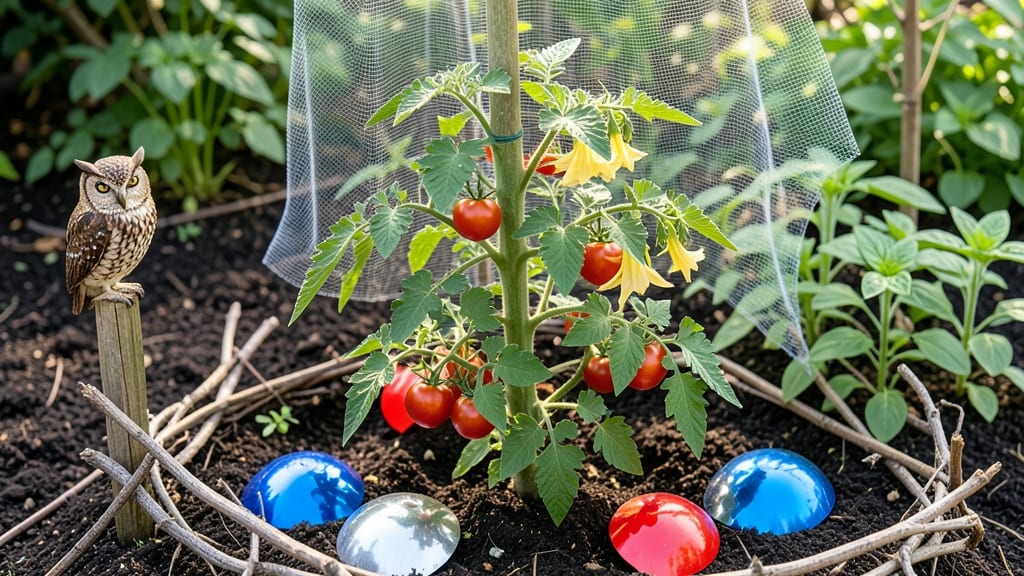
Birds devoured my first tomato harvest in three days—and learning how to keep birds off tomatoes the hard way was a painful lesson. 🌱 The frustration of watching ripening fruit disappear overnight taught me that prevention beats reaction—especially when you're growing heirlooms or rare varieties.
The solution I now swear by combines lightweight row covers for physical protection with copper tape's subtle electrical deterrent. Together, they create a barrier birds can't penetrate or tolerate, while still letting your plants breathe and grow. No more waking up to scattered fruit and pecked leaves.
You'll see full-sized tomatoes on the vine without a single bite mark, and the setup lasts for years with minimal maintenance. The best part? It works for peppers, berries, and even early greens too.
Here's the exact combo that saved my garden—and how to set it up without breaking the bank.
📚 In This Guide
- What you need
- Instructions
- Tips and common mistakes
- Wrapping up and next steps
What you need
- ● Row covers: Lightweight, breathable fabric (e.g., floating row cover or agricultural fabric) – 2–3 sheets (enough to cover your tomato plants with 1–2 ft of overlap). Look for 30–50% shade cloth to allow sunlight while blocking birds.
- ● Copper tape: 1–2 rolls (about 1/2-inch wide) for wrapping around plant stakes or trellises. Choose food-safe, UV-resistant copper to avoid degradation.
- ● Plant stakes or trellis: 6–10 stakes (5–6 ft tall) or a tomato cage to support row covers and copper tape.
- ● Scissors or fabric shears for cutting row covers to size.
- ● Twist ties or clothespins (10–15) to secure row covers around stakes.
- ● Measuring tape to ensure proper coverage.
- ● Reflective tape or old CDs – Hang near plants to create flashes of light and startle birds.
- ● Bird netting: 1–2 rolls (if row covers aren’t enough, layer with netting for extra security).
- ● Poultry wire or chicken wire – Bend into a cage-like structure around individual plants for stubborn bird hotspots.
- ● Essential oil spray: Mix 10–15 drops of peppermint or citrus oil with 1 quart of water in a spray bottle. Birds dislike the scent!
- ● Wind chimes or noise makers – Place near the garden to create movement and sound that deter birds.
Step-by-step instructions for protecting tomatoes from birds
Here's the method I use to shield my tomato plants without sacrificing airflow or sunlight.
🪴 Step 1: Install Row Covers Over the Entire Plant
Choose lightweight floating row covers rated for at least 70°F to allow sunlight while blocking birds. Cut the cover to extend 6-8 inches beyond the plant's mature height—this prevents birds from landing at the edges. Secure it with T-pins or stakes at each corner, then drape the excess fabric over the top and weight it with small rocks or bricks.
Leave the bottom edges loose to allow airflow to the soil and prevent heat buildup. I tuck the edges under slightly to discourage birds from pecking at exposed fruit. The cover should sit 2-3 inches above the plant to avoid touching leaves and restricting growth. This creates a physical barrier while still letting your tomatoes breathe.
✂️ Step 2: Apply Copper Tape to Susceptible Stems and Fruit
Unroll ½-inch wide copper tape along the main stems of your tomato plants, focusing on areas where birds perch or probe. Wrap it vertically in a continuous line from the base to the first 6 inches of the plant, then repeat on any side branches. The copper's electrical charge creates an unpleasant sensation for birds, deterring them without harm.
For fruit clusters, apply small strips of copper tape around the stem attachment points where birds often peck. I avoid wrapping entire tomatoes since the tape can degrade in sunlight. Reapply every 4-6 weeks or when you notice the copper oxidizing—fresh copper works best. This dual approach combines physical blocking with a sensory deterrent.
☀️ Step 3: Monitor and Adjust for Heat and Humidity
Check the row covers daily during heatwaves—temperatures above 85°F can trap too much heat. Remove covers for 2-3 hours midday if the fabric feels warm to the touch, then replace them in the afternoon. I prop open the sides slightly on hot days to improve airflow while keeping birds out.
Watch for condensation buildup inside the cover, especially in humid climates. If you see water droplets, lift the cover briefly to air it out. This prevents fungal diseases while maintaining bird protection. The goal is to balance sunlight exposure, airflow, and bird deterrence—all critical for healthy tomato growth.
🌿 Step 4: Combine with Visual and Auditory Deterrents
Hang reflective tape or old CDs from strings above the plants to create visual distractions. The flashing light patterns confuse birds and make them less likely to land. I also place wind chimes or predator decoys (like fake owls) near the garden edges—birds avoid areas that feel unsafe.
Rotate the decoys every few days to prevent birds from ignoring them. The combination of physical barriers, copper tape, and visual/auditory deterrents creates a multi-layered defense. I’ve found that birds eventually give up when they can’t find an easy way to access the fruit.
Tips & tricks for protecting tomatoes from bird damage
These practical strategies will help you maximize effectiveness while keeping your tomato plants healthy and productive.
Row Cover Placement: When installing your floating row covers, position them so they sit just 2-3 inches above the plant—this creates a physical barrier birds can't navigate while allowing sunlight and airflow. I've found that tucking the edges under slightly prevents birds from pecking at exposed fruit clusters. For larger plants, use T-pins or stakes at each corner to maintain proper tension, especially after rain or wind.
Copper Tape Application: Focus the ½-inch copper tape on the first 6 inches of stem where birds typically perch. The key is creating an unpleasant sensation without harming the plant—avoid wrapping entire tomatoes as the tape can degrade in sunlight. I've noticed that applying fresh copper tape every 4-6 weeks maintains its effectiveness, as oxidation reduces its deterrent properties over time.
Heat Management: During heatwaves, temperatures above 85°F can trap excessive heat under row covers. I monitor the fabric daily and remove it for 2-3 hours midday if it feels warm to the touch. This simple adjustment prevents heat stress while maintaining bird protection. Propping open the sides slightly on hot days also improves airflow without compromising the barrier.
Visual Distraction Strategy: The combination of reflective tape and wind chimes creates a multi-sensory deterrent that works surprisingly well. I've found that rotating predator decoys every few days prevents birds from becoming accustomed to them. The flashing patterns from old CDs hung above plants create enough visual confusion to keep birds at bay, especially when combined with the copper tape's sensory deterrent.
Pro Tips for Keep Birds Off Tomatoes
- These practical strategies will help you maximize effectiveness while keeping your tomato plants healthy and productive.
- Row Cover Placement: When installing your floating row covers, position them so they sit just 2-3 inches above the plant—this creates a physical barrier birds can't navigate while allowing sunlight and airflow.
- Copper Tape Application: Focus the ½-inch copper tape on the first 6 inches of stem where birds typically perch.
Frequently asked questions
about keeping birds off your tomatoes—because even the best strategies need a little extra clarity! Here’s what gardeners ask most often.What’s the best time of day to use row covers or copper tape?
Deploy row covers early—right after planting or when tomatoes are still young (3–4 inches tall). Copper tape works year-round, but birds are most active at dawn and dusk, so check for damage during these times. For extra protection, secure covers before birds spot your garden as a snack buffet!
How long will copper tape last before losing effectiveness?
Copper tape typically lasts 1–2 seasons if kept dry and free of rust. Replace it if you notice fading color or dullness, as birds rely on the tape’s shimmer to deter them. For long-term use, opt for galvanized or stainless steel alternatives—they’re pricier but last years.
Can I use row covers on mature tomato plants without harming them?
Yes! Row covers are breathable and won’t smother plants if secured loosely (use hoops or stakes). For mature plants, leave a small gap at the base to prevent heat buildup. Avoid plastic sheeting—it traps moisture and can cause disease. If birds are a persistent issue, combine covers with netting for extra defense.
Are there cheaper alternatives to row covers and copper tape?
Try these budget-friendly options:
- DIY netting: Use old t-shirts or cheesecloth draped over cages (less durable but effective for small gardens).
- Reflective tape: Wrap it around stakes—birds hate the flash!
- Plant companions: Interplant tomatoes with marigolds or basil to mask their scent.
- Scare tactics: Hang old CDs or wind chimes to create noise and movement.
For severe infestations, invest in used row covers from garden stores or repurpose lightweight fabric.
What do I do if birds still eat my tomatoes despite these methods?
If birds keep returning, combine strategies:
- Add fake predator models (owls, snakes) near the garden.
- Use motion-activated sprinklers (like ScareCrow) for a surprise burst of water.
- Harvest tomatoes as soon as they ripen—don’t leave them on the vine!
- Try bird netting (smaller mesh than row covers) for a tighter fit.
Persistence is key—birds learn quickly, so rotate tactics every few days to stay ahead!
Wrapping up and next steps
Keeping birds off your tomatoes doesn’t have to be a battle—just a smart strategy! By combining row covers for physical protection and copper tape for a bird-deterring surprise, you’ll safeguard your harvest without harsh chemicals.
Start small, test what works in your garden, and soon you’ll be enjoying plump, unpecked tomatoes all season.
Ready to put these tips into action? Grab your supplies, head to the garden, and watch those birds take the hint! 🌱🐦⬛