
Tools
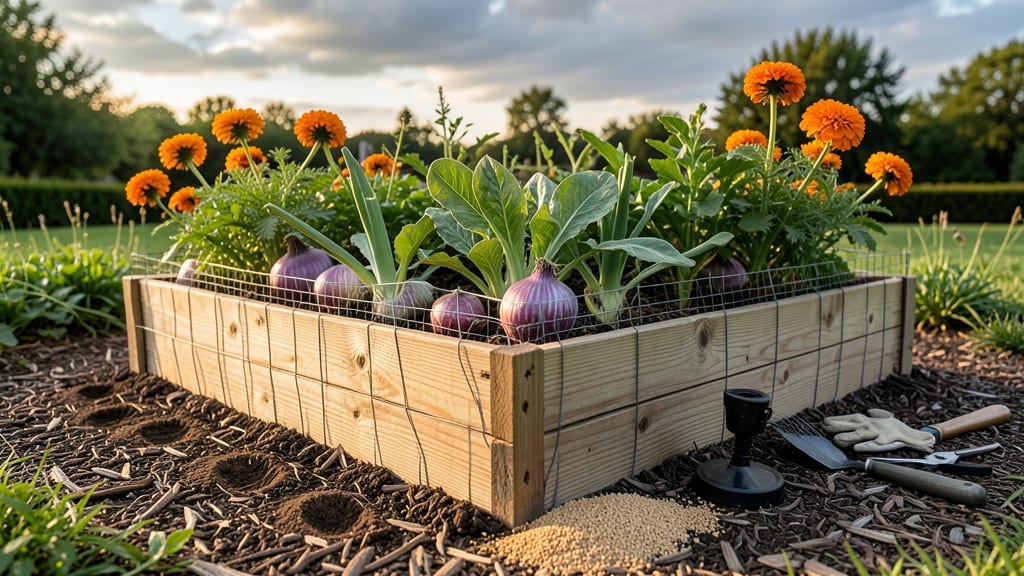
How to keep bunnies out of your vegetable garden—I learned the hard way when they turned my zucchini into a salad bar overnight. 🌱 The copper wire barrier saved my garden—and it’s the most humane, low-maintenance solution I’ve tried. No traps, no harm, just a simple trick that works where fences fail.
This method uses copper tape or wire wrapped around your garden edges. Rabbits dislike the taste and texture, so they avoid it naturally. It’s flexible enough for raised beds or containers, and you won’t need to replace it every season. The key? Consistency—they’ll test weak spots, so cover everything.
Within a week, you’ll see the difference: no more nibbled leaves, no vanished seedlings. Your plants grow bold and unharmed, while the bunnies move on to easier snacks. It’s quiet, chemical-free, and works even for small urban plots.
Best for spring planting or early summer, when bunnies are most active. Pair it with companion plants like garlic or rosemary for extra protection. Here’s how to set it up right the first time—no more garden buffets!
📚 In This Guide
- What you need
- Instructions
- Tips and common mistakes
- Wrapping up and next steps
What you need
- ● Copper wire (16-18 gauge) – At least 30 feet per 10-foot garden section (copper is the secret weapon—bunnies hate the taste and texture!).
- ● Stakes or posts (wooden, metal, or plastic) – 1 stake every 2-3 feet (6-inch deep for stability). Galvanized or treated wood works best.
- ● Hammer or mallet – For driving stakes into the ground.
- ● Wire cutters or heavy-duty scissors – To trim copper wire to size.
- ○ Gloves (optional but recommended) – Copper wire can be sharp!
- ● Measuring tape – To ensure your barrier is consistently 12-18 inches tall (bunnies can jump!).
- ● Soil or gravel – To weigh down stakes and anchor the barrier.
- ● Chicken wire or hardware cloth (1-inch mesh) – Add a layer beneath the copper for extra protection against digging.
- ● Plastic or metal edging – To create a clean, visible barrier line in your garden.
- ● Spray-on copper repellent – For areas where wire isn’t practical (e.g., along fences or tree trunks).
- ● Motion-activated sprinkler – A high-tech backup to startle bunnies away if they get too close!
- ● Natural deterrents (e.g., hot pepper spray, predator urine) – Use sparingly as a supplementary repellent.
Step-by-Step guide to installing a copper wire barrier
Here's how I've kept bunnies from nibbling my veggies for three seasons—no traps, no fuss.
🪴 Step 1: Measure and Mark Your Garden's Perimeter
Walk your garden's edge and mark the boundary with stakes or spray paint. I use 6-inch tall stakes every 4 feet to keep the line straight. Bunnies can squeeze through tiny gaps, so accuracy matters—measure twice, mark once. A 1-foot wide strip outside the garden works best for burying the wire later.
Check for existing holes or weak spots in fencing. If you have raised beds, extend your barrier 12 inches outward from the base—bunnies can jump surprisingly high. Sketch a rough diagram if your garden has curves or irregular shapes. I always double-check my measurements before buying materials, and you should too.
💧 Step 2: Bury the Copper Wire Underground
Dig a trench 6 inches deep along your marked line. The deeper, the better—bunnies dig, and you want to stop them before they reach your plants. Place the copper wire at the bottom of the trench, then cover it with 2-3 inches of soil. I use 18-gauge solid copper wire because it's flexible and strong enough to deter digging.
Leave 12 inches of wire exposed at each corner and along fence lines. This exposed section creates a barrier they can't cross. If you have a large garden, overlap wire ends by 6 inches and twist them together securely. Burying the wire first ensures bunnies encounter it immediately when they start digging.
☀️ Step 3: Install Above-Ground Copper Wire Fencing
Attach the remaining copper wire to stakes or existing fencing along the garden's perimeter. Space stakes 3 feet apart and bend the wire taut between them. The wire should stand 12-18 inches tall—high enough to discourage jumping. I use zip ties or plastic cable clips to secure the wire without damaging it.
At gate openings, create a V-shaped barrier of wire that slopes downward to the ground. This prevents bunnies from slipping underneath. Test the tension by gently pushing the wire—it should hold its shape but still flex slightly. If it sags, add more stakes or tighten the wire further.
✂️ Step 4: Secure Edges and Test for Gaps
Bend the exposed copper wire at the trench's edge upward to create a 90-degree angle. This stops bunnies from tunneling under the barrier. Use heavy-duty staples or zip ties to anchor the wire to stakes or fencing every 2 feet. Check for loose sections—bunnies exploit even small openings.
Walk around the perimeter and look for gaps where the wire might sag or where stakes could be missing. I always test with a small stick to see if bunnies could squeeze through. If you find weak spots, reinforce them immediately. A well-installed barrier should feel solid and unyielding—like a natural obstacle course for bunnies.
⏰ Step 5: Monitor and Maintain the Barrier
After installation, check the barrier weekly for the first month. Bunnies may test it by nibbling or digging, so look for bent wire or disturbed soil. I replace any damaged sections right away—even a small gap can invite them back. Copper doesn't need replacing, but I like to wipe it down with vinegar occasionally to keep it shiny and effective.
In spring, before planting, give the barrier a final inspection. Rake back soil around the trench to ensure the wire is still fully exposed. If you notice bunnies have started digging near the barrier, add an extra 2 inches of buried wire in problem areas. Consistency is key—once they learn the barrier works, they'll stay away.
Tips & tricks for effective bunny-proofing
These practical insights will help you create an unbreakable barrier that actually works—no more nibbled lettuce or vanished carrots.
Precision in Step 1: When marking your garden's perimeter, use a garden hose to trace the boundary first. This helps visualize the curve before placing stakes. I've found that bunnies can exploit even small deviations—keep your line straight by using a string line between stakes to check alignment before digging. The extra 12 inches for raised beds is critical; I once saw a bunny leap 10 inches in a single bound!
Burial Depth Matters: The 6-inch deep trench specification isn't arbitrary—bunnies can dig that deep in soft soil. For clay-heavy areas, dig an extra 2 inches deeper. When covering with soil, don't pack it down—leave it loose so you can easily spot any digging attempts. I've seen bunnies try to tunnel under barriers where the soil was compacted too tightly.
Above-Ground Fencing Technique: For the 12-18 inch height, aim for 15 inches—this is the sweet spot that deters jumping while remaining practical to install. When creating the V-shape at gate openings, make sure the wire extends at least 6 inches into the ground on both sides. I've had bunnies try to slip under these openings before realizing they couldn't squeeze through the tight angle.
Maintenance Secret: The weekly checks in Step 5 are non-negotiable for the first month, but don't stop there. I've kept barriers standing for years by doing a quick visual inspection every time I water my garden. Look for bent wire or soil disturbances—these are telltale signs bunnies are testing your defenses. That vinegar wipe-down isn't just for looks; it keeps the copper's natural repellent properties strong.
Pro Tips for Keep Bunnies Out Of Vegetable Garden
- These practical insights will help you create an unbreakable barrier that actually works—no more nibbled lettuce or vanished carrots.
- Precision in Step 1: When marking your garden's perimeter, use a garden hose to trace the boundary first.
- Burial Depth Matters: The 6-inch deep trench specification isn't arbitrary—bunnies can dig that deep in soft soil.
Frequently asked questions
Got questions about keeping bunnies from munching on your veggies? You’re not alone—here are some of the most common concerns and quick answers to help you protect your garden effortlessly!
What’s the best time of year to install a copper wire barrier?
The ideal time is early spring (before planting) or late fall (after harvest). Bunnies are most active during dawn and dusk year-round, so installing barriers in these seasons gives you a head start on deterring them before they spot your greens. If you’re dealing with an existing problem, set it up immediately—even mid-season!
Will copper wire hurt my plants or soil?
Not at all! Copper wire is plant-safe and won’t leach harmful chemicals into the soil. The slight electric charge it emits is only noticeable to bunnies—it’s too weak to affect humans, pets, or your veggies. Just bury the bottom 2–3 inches to prevent digging and ensure a clean, non-toxic barrier.
What if bunnies keep jumping over the wire?
If you notice gaps or nibbling above the wire, try these fixes:
- Increase height: Add a second layer of wire (12–18 inches tall) or secure it to stakes.
- Add a flap: Bend the top of the wire outward slightly to create a “lip” that bunnies can’t grip.
- Combine methods: Pair copper wire with chicken wire (buried at a 45° angle) for extra deterrence.
Is copper wire more expensive than other repellents?
Upfront, copper wire might cost $10–$30 for a small garden, but it’s a one-time investment with long-term savings. Sprays, fences, or sonic devices often require reapplication or maintenance (and can fail if bunnies adapt). Copper wire lasts years with minimal upkeep—just check for rust or loose connections annually.
Can I use copper wire for raised beds or containers?
For raised beds, wrap the wire around the outside edges (burying the base) or create a “skirt” at the bottom to block burrowing. For containers, attach the wire to the pot’s frame or place it in a circle around the base. Just ensure the wire is taut—bunnies are sneaky climbers!
What if I have pets or kids around? Is it safe?
Yes! Copper wire is pet- and child-safe when installed properly. The electric charge is harmless to touch, but:
- Avoid letting pets chew the wire (bury it fully or use plastic-coated copper for extra safety).
- Keep kids supervised near installation sites until stakes are secured.
- If using stakes, opt for smooth, capped varieties to prevent splinters.
Wrapping up and next steps
Keeping bunnies out of your vegetable garden doesn’t have to be a battle—with a few simple, natural solutions like a copper wire barrier, you can protect your hard work without harming these adorable (but pesky) visitors. 🐰🚫 The key is consistency, patience, and combining methods like fencing, repellents, and habitat tweaks for the best results.
Now that you’re armed with the know-how, take action! Start small—install that copper wire today or reinforce existing barriers—and watch your garden thrive. Your veggies (and your sanity) will thank you! 🌱✨