
Container Gardens
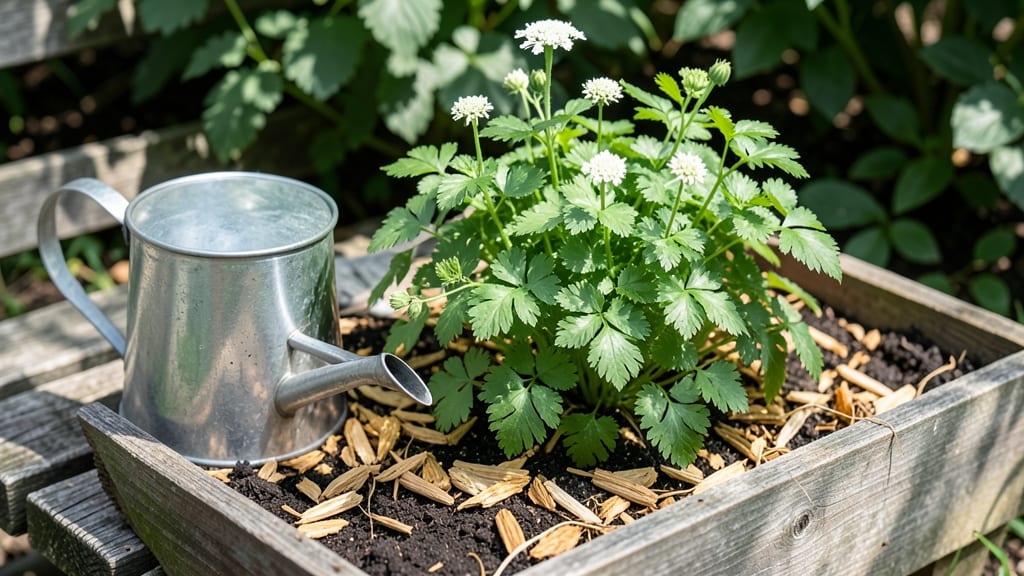
How to keep cilantro growing all summer—it’s possible with the right tricks to outsmart the heat. That cycle of planting, wilting, and bolting is frustrating—until you learn these cold-hardy hacks that keep it thriving when temperatures rise. The secret isn't fighting the heat; it's working with it by adjusting shade, water, and timing.
Start with the right variety—'Slow Bolt' or 'Calypso' cilantro handles heat better than standard types. Plant in containers with well-draining soil and keep them in partial shade (morning sun, afternoon shade) to prevent bolting. Water consistently—dry soil triggers bolting faster—but avoid soggy roots, which invite disease.
Succession planting is your best friend: sow new seeds every 2-3 weeks through early summer. By rotating crops, you’ll always have fresh cilantro while older plants mature. Companion plants like dill or basil nearby can help shade roots and repel pests without competition.
The payoff? Fresh cilantro all summer—no more last-minute grocery store runs or bitter, bolted plants. Even in containers, this method works, giving you herbs for salsas, soups, and garnishes without the summer struggle. Let’s make it happen!
📚 In This Guide
- What you need
- Instructions
- Tips and common mistakes
- Wrapping up and next steps
What you need
- ● Cilantro seeds: Choose a variety like ‘Santo or ‘Calypso (slow-bolting, heat-tolerant). Start with 1–2 tbsp per container (or 10–20 seeds per 6-inch pot).
- ● Growing containers: At least 12-inch-deep pots (cilantro has long roots!).
- ● 5–6 gallons of soil per plant (or 1 plant per 12" square in raised beds).
- ● High-quality potting mix: Use a well-draining blend (e.g., 60% peat/coir, 30% perlite, 10% compost). Avoid garden soil—it compacts too easily!
- ● Shade cloth (30–50% coverage): 1–2 pieces (4’x5’ or larger) to protect seedlings from scorching afternoon sun.
- ● Watering can or drip irrigation: A gentle spray nozzle or soaker hose to keep soil moist without disturbing roots.
- ● Fertilizer: Balanced liquid fertilizer (e.g., 10-10-10) for seedlings.
- ● Low-nitrogen option (e.g., fish emulsion or compost tea) once plants mature to prevent bolting.
- ● Self-watering planters (e.g., EarthBox or DIY versions) to reduce maintenance.
- ● Grow lights or LED bulbs (for indoor overwintering if you live in a cold climate).
- ● Pruning shears for harvesting—snip stems just above a leaf node to encourage bushier growth.
- ● Mulch (straw or shredded leaves) to retain moisture and regulate soil temp.
- ● Thermometer to monitor soil temps (ideal: 60–75°F for germination; below 80°F for growth).
- ● Partial shade: Cilantro thrives in 4–6 hours of morning sun + afternoon shade (especially in hot zones).
- ● Consistent moisture: Soil should stay evenly damp (not soggy). Water when the top 1 inch feels dry.
- ● Cool roots: Avoid placing containers in direct sunlight for long periods—opt for dappled shade or move pots as needed.
- ● Regular harvesting: Pick leaves every 2–3 weeks to prevent bolting and encourage regrowth.
Step-by-step instructions for extending cilantro's summer growth
Cilantro's natural bolting habit doesn't have to ruin your summer harvests. Here's how to keep it thriving through the heat.
Start with Strategic Planting Timing
Cilantro bolts when days get long and hot, so timing is everything. Plant your first batch 4-6 weeks before your last spring frost when soil temperatures are still cool (50-60°F). This gives the plants time to establish roots before summer heat arrives. I always plant mine in partial shade—morning sun with afternoon relief from direct rays.
For continuous harvests, make successive plantings every 2-3 weeks throughout early summer. The key is keeping new seedlings in cooler conditions while mature plants handle the heat. Watch for the first true leaves—those are your signal that germination worked, and you're on track for a steady supply.
Provide Consistent Moisture Without Overwatering
Cilantro roots are shallow and drought-sensitive, but soggy soil will rot them just as fast. Water deeply every 2-3 days until the top 1-2 inches of soil feel dry. I use a moisture meter to check—when it reads "dry," that's my cue to water thoroughly at the base, avoiding the leaves to prevent fungal diseases.
Mulch with 1-2 inches of straw or shredded leaves to retain moisture and keep roots cool. The mulch layer also blocks weeds that compete for water. You'll notice healthier, more vibrant leaves when the soil stays consistently moist but never waterlogged.
Shield Plants from Extreme Heat
When temperatures climb above 80°F, cilantro's growth slows and it starts bolting. Use shade cloth (30-50%) during peak afternoon sun to protect plants while still allowing light for photosynthesis. I drape lightweight fabric over hoops or trellises, securing it loosely to allow airflow.
If you're growing in containers, move pots to a shadier spot or place them in the shade of taller plants. You'll see a dramatic difference in leaf quality—bolting stems will stay short and leafy, not tall and flowery. Check daily for wilting; if leaves droop, it's a sign of heat stress and time to adjust shade coverage.
Harvest Regularly to Encourage New Growth
Harvest cilantro every 2-3 days by cutting stems just above a set of leaves. This prevents the plant from sending energy toward flowering and encourages bushier growth. I always harvest in the morning when leaves are crispest, using clean scissors to avoid tearing stems.
For a continuous supply, cut back one-third of the plant at a time, leaving at least 4-6 inches of growth. The plant will regrow quickly from the base, and you'll avoid the bitter taste that comes with bolting. Watch for new leaf growth at the base—this is your reward for consistent harvesting.
Refresh Soil and Fertilize Lightly
Cilantro is a heavy feeder and depletes nutrients quickly, especially in hot weather. Mix 1 tablespoon of balanced 10-10-10 fertilizer into the soil at planting, then side-dress with another tablespoon 4-6 weeks later. I also add 1 inch of compost around the base to replenish organic matter without overfeeding.
Avoid high-nitrogen fertilizers—they promote leafy growth but can accelerate bolting. Instead, focus on a gentle nutrient boost. You'll notice stronger stems and deeper green leaves when the soil is properly fed, and the plant can handle summer's demands without stress.
Tips & tricks for extending your cilantro harvest
These cold-hardy strategies will help you beat the heat and enjoy fresh cilantro all season long.
Timing is Everything: The 4-6 week window before your last spring frost is critical for establishing strong roots before summer heat arrives. I've found that planting in partial shade—morning sun with afternoon relief—creates the perfect balance. If your garden gets intense afternoon sun, consider using shade cloth (30-50%) during those peak hours to mimic this natural light pattern. This simple adjustment can extend your harvest window by several weeks.
Moisture Management: Cilantro's shallow roots need consistent moisture but hate soggy conditions. I've learned the hard way that checking soil moisture with a moisture meter is far more reliable than guessing. Aim to water every 2-3 days until the top 1-2 inches feel dry, but never let the soil become completely bone-dry. Mulching with 1-2 inches of straw or shredded leaves creates a moisture-retaining barrier that also keeps roots cool—this is especially important when temperatures climb above 80°F.
Harvesting Technique: The key to preventing bolting lies in your harvesting rhythm. Cutting stems every 2-3 days just above a set of leaves signals the plant to focus on leaf production rather than flowering. I always harvest in the morning when leaves are at their crispest, and I never cut more than one-third of the plant at a time. This method keeps your cilantro bushy and productive, while the morning harvest ensures you're getting the freshest flavor possible.
Nutrient Strategy: Cilantro is a heavy feeder that depletes nutrients quickly in hot weather. The initial 1 tablespoon of 10-10-10 fertilizer at planting provides essential nutrients, but don't forget the second application 4-6 weeks later. I've found that adding 1 inch of compost around the base gives an additional gentle nutrient boost without overfeeding. This balanced approach prevents the bitter taste that often develops when plants become nutrient-deficient during summer's demands.
Pro Tips for Keep Cilantro Growing All Summer
- These cold-hardy strategies will help you beat the heat and enjoy fresh cilantro all season long.
- Timing is Everything: The 4-6 week window before your last spring frost is critical for establishing strong roots bef...
- Moisture Management: Cilantro's shallow roots need consistent moisture but hate soggy conditions. I've learned the ha...
Frequently asked questions
Got questions about keeping cilantro thriving all summer? Here are some of the most common ones—and their solutions!
Why does my cilantro bolt so fast in hot weather?
Cilantro is a cool-season herb, so when temperatures rise above 75°F (24°C), it triggers bolting (flowering) as a survival tactic. To slow it down, provide shade cloth during peak heat, water deeply at the base (not leaves), and harvest often to encourage regrowth. Varieties like 'Slow Bolt' or 'Calypso' are bred for better heat tolerance.
Can I grow cilantro in containers all summer long?
Yes! Containers give you control over soil and water, making them ideal for summer cilantro. Use a 5–10 gallon pot with well-draining soil, and place it in partial shade (morning sun, afternoon shade works best). Move pots to cooler spots during heatwaves, and fertilize lightly with a balanced liquid fertilizer every 3–4 weeks to prevent nutrient stress.
What can I do if my cilantro turns bitter?
Bitter flavor is cilantro’s way of saying, "It’s too hot or stressed!" To fix it, trim the plant back by 1/3 to encourage new, tender growth. If bolting has already started, harvest the leaves first (they’re milder than stems), then pull the plant before it seeds. For future batches, succession plant every 2–3 weeks in spring and fall for fresher harvests.
How often should I water cilantro in summer?
Cilantro hates dry soil—water deeply 2–3 times per week (daily in extreme heat) to keep the top 1–2 inches moist. Use a drip irrigation system or water at the base early in the morning to prevent fungal issues. Avoid overhead watering, which can wash away soil and stress the plant. Mulch with straw to retain moisture and keep roots cool.
What’s the best cilantro alternative if it keeps dying in my climate?
If cilantro just won’t cooperate, try these heat-loving herbs with similar flavors:
- Coriander (cilantro’s seeds): Harvest seeds when dry for a warm, citrusy kick.
- Mexican tarragon: Mild anise-like flavor, thrives in heat.
- Vietnamese coriander (rau ram): Heat-tolerant and less likely to bolt.
- Lemon balm: Bright, citrusy leaves for teas or garnishes.
Wrapping up and next steps
Keeping cilantro thriving all summer is totally doable with the right tricks—like choosing cold-hardy varieties, providing shade, and staying consistent with water and soil care. With these strategies, you’ll enjoy fresh, flavorful cilantro straight from your container garden until frost! 🌿 Now that you’re armed with the know-how, grab your gardening tools and get planting! Your next step?
Try a small batch this week and see the magic happen—you’ve got this!