
How To
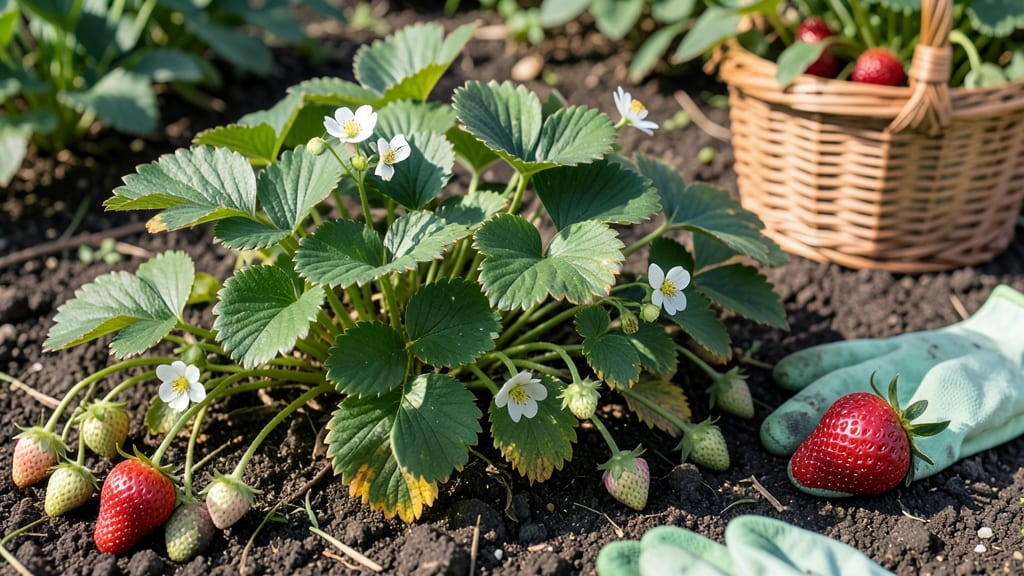
How to know when to pick a strawberry can turn a mediocre harvest into a sweet, juicy triumph—here’s the secret most gardeners miss. That perfect balance of color, texture, and flavor is what separates perfect berries from mushy disappointments, and I’m about to show you exactly what to look for.
Strawberries don’t ripen evenly, and picking too early or too late ruins the flavor. You’ll learn the 5 key clues—from vibrant color shifts to the right firmness—that guarantee you’re harvesting at peak ripeness.
Whether you’re a first-time gardener or a seasoned grower, these tips will save you from wasting a single berry.
Timing matters more than you think, especially in Zone 6a where spring’s unpredictable weather can throw off ripening. I’ll walk you through common mistakes (like checking too hard or ignoring subtle signals) and how to adjust your approach for the best yield. Ready to master the art of strawberry picking?
By the end, you’ll confidently spot the ideal moment to harvest—no more guesswork, just flawless strawberries straight from your garden to your plate. Let’s get started.


5 Visual and texture clues to identify perfectly ripe strawberries
When I first started growing strawberries, I’d pick them as soon as they turned red—only to end up with mealy, flavorless berries. Timing is everything, and strawberries give you clear signals when they’re ready. Learning these 5 key indicators will transform your harvest from disappointing to downright delicious.
First, focus on color consistency. Ripe strawberries should be a uniform deep red (or yellow/white for heritage varieties). If you spot green patches, they need more time on the vine. This color shift happens because chlorophyll breaks down as sugars develop, so brightness = sweetness.
Next, check for glossy skin. A ripe strawberry has a natural sheen from its wax coating, which protects it and signals maturity. Dull berries? They’re either underripe or overripe. Run your thumb gently over the surface—if it feels slightly slick to the touch, it’s ready to pick.
Now, let’s talk size and shape. Fully ripe strawberries are plump and symmetrical, not elongated or misshapen. They should feel heavy for their size—a sign of juicy flesh inside. If they’re small or uneven, they’re not there yet.
Here’s where many gardeners go wrong: firmness matters. A ripe strawberry should yield slightly when gently squeezed (like a soft tennis ball). If it’s rock-hard, it’s not ready.
If it’s mushy or squishy, it’s overripe and will spoil quickly. Pro tip: Use your fingertips, not your thumb, to avoid bruising.
The final clue is easy detachment. Gently tug a berry—if it separates cleanly from the stem, it’s ready. If it resists, it needs more time. Overripe berries often fall off on their own, so check your plants daily during peak season.
🍓 Strawberry Ripeness Guide
| Clue | Ripe Strawberry | Underripe | Overripe |
|---|---|---|---|
| Color | Uniform deep red/yellow/white | Pale or greenish | Dull or moldy |
| Gloss | Natural sheen | Dull | Sticky or wet |
| Size | Plump and symmetrical | Small or elongated | Shriveled |
| Firmness | Slightly soft when squeezed | Rock-hard | Mushy or leaking |
| Detachment | Pulls away cleanly | Stays attached firmly | Falls off easily |
One trick I learned from my neighbor’s strawberry patch is to taste-test one berry if you’re unsure. A ripe strawberry should be bursting with sweetness and have a tangy aftertaste.
If it’s bland or overly tart, it’s not ready yet. This method works best with June-bearing varieties, which ripen all at once.
For everbearing or day-neutral varieties, berries ripen in waves, so check your plants every 2-3 days during peak season. These types produce fruit throughout the growing season, making consistent monitoring even more critical. Morning harvests are ideal because cooler temps preserve flavor and firmness.
Finally, watch for seasonal variations. Strawberries grown in hot climates may ripen faster and develop deeper color, while cooler regions produce berries with milder flavors but better texture. If your strawberries are smaller than expected, they might need more sunlight or water during flowering.
Remember: Patience pays off. Rushing to pick strawberries too early is the #1 mistake I see in home gardens. When in doubt, wait another day—your taste buds (and your plants) will thank you! 🌱
5 Visual and texture clues to identify perfectly ripe strawberries
Strawberries ripen quickly, so knowing the exact signs of ripeness ensures you pick them at peak flavor. The color shift from green to vibrant red (or yellow/white for heirloom varieties) is your first clue. Look for a uniform hue—patches of green mean they’re not ready yet.
Beyond color, check for a slightly glossy sheen on the berry’s surface, which indicates full ripeness. Overripe strawberries lose this shine and may develop a dull, wrinkled texture. Avoid picking these—they’ll be mushy and less sweet.
Now for the tactile test: gently squeeze the strawberry between your thumb and forefinger. A ripe berry should yield just slightly to pressure but not feel mushy. If it’s rock-hard, it’s underripe; if it’s too soft, it’s past its prime.
| Clue | Ripe Strawberry | Overripe Strawberry |
|---|---|---|
| Color | Bright, uniform red/yellow/white | Dull, patchy, or moldy |
| Gloss | Slightly shiny surface | Dry or wrinkled |
| Firmness | Plump, slight give | Mushy or leaking juice |
| Size | Fully grown, uniform | Shriveled or cracked |
Size matters too! A ripe strawberry should be fully grown for its variety—no more expanding overnight. If it’s still small and hard, wait a day or two. Pro tip: White varieties like Pineberry ripen to a creamy white with red seeds.
Finally, give the berry a gentle tug. If it detaches easily from the plant with a slight twist, it’s ready. If it resists, it’s not ripe yet. This method also prevents stem damage, which can reduce shelf life.
Pay attention to the leaves too—yellowing or browning leaves near ripe berries signal it’s time to harvest. These clues combined will help you pick strawberries at their peak sweetness every time. 🍓