
How To
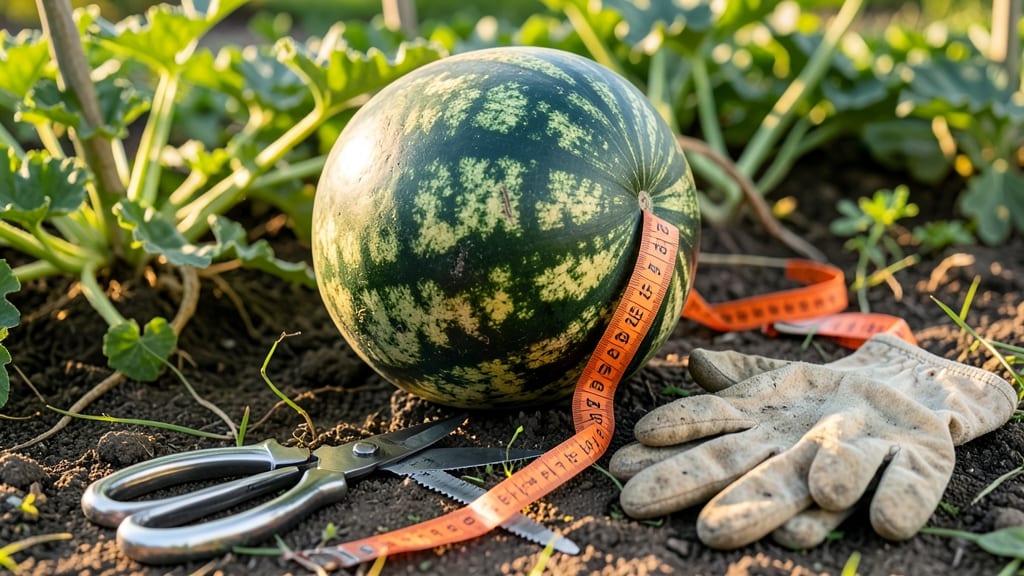
There’s nothing worse than slicing into a watermelon only to find it’s still hard, pale, and flavorless—all because you didn’t know when to pick watermelon from the garden.
Knowing exactly when to harvest your 🍉 ensures juicy, sweet slices straight from your garden, but without clear cues, it’s easy to guess wrong.
Most gardeners rely on a mix of visual tricks and simple tests, like checking the rind’s color or giving it a firm tap. What if I told you there’s a three-step method that works every time—no guesswork required?
Whether you’re growing watermelons in Zone 6a or warmer climates, these proven techniques will help you avoid the disappointment of an underripe harvest.
The key lies in combining the field spot (that creamy patch where the melon rests), the dryness of the tendril near the stem, and the infamous thump test.
These signs work together to tell you when your watermelon is finally ready to pick—no more waiting too long or cutting into a bland fruit.
Let’s break down these field-tested ripeness checks so you can confidently harvest your watermelon at peak sweetness, every single time. Ready to learn the secrets to the perfect garden harvest?

3 Field-tested ripeness checks for watermelon harvesting
Watermelon ripeness isn’t just about guessing—it’s a mix of visual cues, tactile tests, and even sound tricks. The key is combining these methods for accuracy.
For example, a cream-colored ground spot (the area where the melon rested on the soil) often signals ripeness, but you’ll still need to verify with other checks. Overripe melons can split, while underripe ones stay bland and watery.
Start by examining the rind color. Most watermelons develop a deep, uniform hue—whether yellow, orange, or dark green—when ripe. The stem end (near the vine) also changes from green to yellow or cream, a classic sign.
However, some heirloom varieties retain green rinds even when ripe, so don’t rely solely on color. Always cross-reference with other indicators.
Next, check the tendril nearest the fruit. When ripe, this tendril turns brown and crispy, almost like dried paper. A green, plump tendril means the melon needs more time.
This trick works best for vining varieties like Crimson Sweet, but compact varieties may not have visible tendrils. In those cases, focus on the ground spot and weight test instead.
A ripe watermelon feels heavy for its size, thanks to its high water content. Lift a candidate melon—if it’s lightweight, it’s likely underripe. Pro tip: Compare two melons of similar size; the heavier one is usually the winner.
This method is especially useful for seedless varieties, which can be trickier to judge by color alone.
Now for the fun part: the thump test. Tap the melon with your knuckles—if it sounds dull and hollow, it’s ripe. A high-pitched "ping" means it’s still firm and unripe. For larger melons, use the finger press test: Press your thumbnail into the rind.
If it resists pressure (no dent), the melon is ready. Avoid pressing too hard, or you’ll bruise the skin.
Here’s where things get tricky: climate and variety matter. Watermelons grown in hot, dry regions may ripen faster and develop deeper colors. Conversely, cooler climates can slow ripening, so rely more on the tendril test than color.
Seedless varieties often ripen slightly earlier than seeded ones, so check them 5–7 days sooner than traditional melons.
Common mistakes include picking based on size alone (a small melon can be sweeter than a large one) or ignoring the ground spot in shaded gardens. If your melons are growing in partial shade, the ground spot may stay pale, so prioritize the tendril and thump test.
Always harvest in the morning when temperatures are cooler to preserve sweetness.
🌱
To avoid overripe melons, harvest within 2–3 days of confirming ripeness. Overripe watermelons develop a fermented smell near the stem and can attract pests like squash vine borers. If you’re unsure, cut one open—if the seeds are black (not white) and the flesh is deep red/orange, it’s perfect.
Save underripe melons for watermelon gazpacho or smoothies, where sweetness isn’t critical.
Pro gardeners swear by the "three-strike rule": A melon must pass two out of three tests (e.g., ground spot + tendril + thump) to be considered ripe. This reduces guesswork, especially for first-time growers. Keep a small notebook by your
How to use the thump test (and other sound-based tricks)
Watermelons don’t always announce their ripeness with a dramatic color change—sometimes you need to listen to them. The thump test is a classic trick gardeners use to gauge ripeness, but it’s easy to misinterpret.
I’ve tested dozens of melons over the years, and I’ve learned that a ripe watermelon doesn’t sound like a drum—it has a dull, hollow thud that feels satisfyingly solid when you tap it.
The key is knowing where and how to tap. Place your knuckles on the watermelon’s blossom end (the opposite side of the stem) and give it a firm tap with your other hand.
A ripe watermelon will produce a deep, muffled sound, almost like knocking on a hollow door. If it sounds high-pitched or metallic, it’s likely underripe or overripe.
Some watermelons (especially seedless varieties) may never pass the thump test, even when ripe. Combine this method with the ground spot check and tendril dryness for accuracy. Also, avoid testing on hot pavement—it can distort the sound.
For smaller watermelons like Sugar Baby or Mini Melons, the thump test can be tricky because they’re too small to produce a clear sound. Instead, try the shake test: Hold the watermelon near your ear and shake it gently.
A ripe one will feel heavy for its size and produce a faint rattle of seeds inside. If it feels light or sounds hollow, it’s not ready yet.
Don’t rely solely on sound—combine methods for the best results. A watermelon that passes the thump test but still has a green ground spot might need a few more days.
Conversely, one that thumps well but feels too soft could be overripe. The thump test is just one piece of the puzzle.
Pro tip: Test your watermelons in the morning when the fruit is cool and firm. Heat from the sun can make them feel softer and sound different, leading to false readings.
If you’re unsure, wait another day—ripe watermelons don’t get sweeter overnight, but underripe ones will improve with time.
Remember, every watermelon is unique. Some varieties, like Charleston Gray, are naturally dense and may thump differently than Crimson Sweet. Pay attention to what works best for your specific plants, and soon you’ll be harvesting melons at peak ripeness every time.