
How To
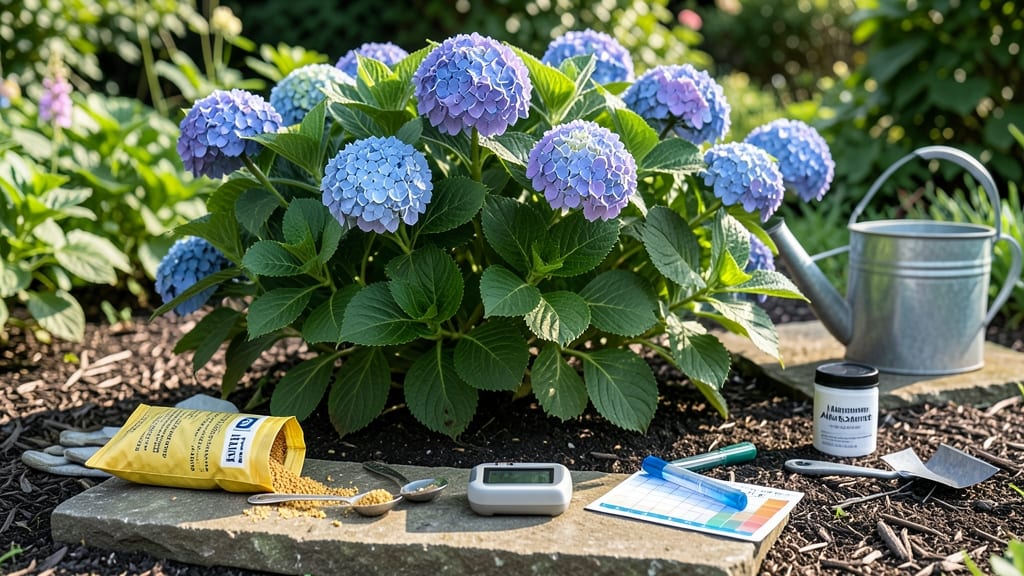
How to test and adjust soil pH for hydrangeas (step-by-step guide)
If your hydrangeas are stubbornly producing pink blooms instead of the blue you crave, your soil’s pH level is likely the culprit. Hydrangeas thrive in acidic soil (pH 5.2-5.5 for blue blooms), but most garden soils lean neutral or alkaline.
The good news? Testing and adjusting your soil’s pH is simpler than you think—and results can appear in just 2-3 months.
Before diving into adjustments, you’ll need to know your current soil pH. This step is non-negotiable because blindly adding acidifiers can damage roots or create nutrient imbalances.
Grab a soil pH test kit (available at garden centers for $10-$20) or send a sample to a local agricultural extension office for precise results. For fastest results, I recommend the Luster Leaf Rapitest kit—it gives readings in under 2 minutes.
Once you’ve confirmed your soil’s pH, the next step is lowering it. The method you choose depends on your timeline, budget, and whether you prefer organic or chemical solutions. For immediate results (4-6 weeks), I turn to elemental sulfur or aluminum sulfate.
For slower, organic changes (2-3 months), peat moss or pine needles work wonders. Let’s break down the process step by step.
Step-by-Step Guide to Lowering Soil pH for Hydrangeas
Collect soil samples from 3-4 spots around your hydrangea’s root zone (6 inches deep). Mix them in a clean bucket, then use your pH test kit or send to a lab. Aim for a target of 5.2-5.5 for blue blooms.
For fast results, use elemental sulfur (1 lb per 100 sq ft) or aluminum sulfate (follow package rates). For organic options, mix in peat moss (2-3 inches) or pine needles (mulch heavily).
Work sulfur or organic matter into the top 6-8 inches of soil around the hydrangea’s root zone. Water thoroughly to activate the amendments. For peat moss, mix it into the soil; for pine needles, use as mulch.
Wait 2-3 months for organic methods or 4-6 weeks for sulfur. Retest soil pH with your kit. If needed, reapply amendments in smaller doses to avoid overshooting the target pH.
With the right pH (5.2-5.5), your hydrangeas should start producing vibrant blue blooms in 2-3 months. For maintenance, add a slow-release acidifier like cottonseed meal annually in early spring.
Pro tip: If your hydrangeas are in containers, the process is even simpler. Replace 20-30% of the soil with a peat-based potting mix and water with rainwater (which is naturally acidic). For in-ground plants, focus on the root zone—this is where amendments will have the most impact.
One common mistake I’ve seen is over-applying sulfur or other acidifiers. This can make the soil too acidic (pH < 5.0), which stresses plants and can lead to nutrient deficiencies. Always test before and after adjustments, and err on the side of smaller doses if you’re unsure.
Patience is key—hydrangeas are slow to respond, but the results are worth it!
For those in container gardens, I recommend flushing the soil with distilled water after applying amendments to prevent salt buildup. This extra step ensures your hydrangeas get the clean, acidic environment they need to thrive without any unwanted chemical residues.
🌸
Best organic and chemical methods to lower pH for blue hydrangea blooms
Hydrangeas are famous for their color-changing blooms, but achieving that coveted blue hue requires soil with a pH between 5.0 and 5.5. If your soil tests higher, don’t worry—there are safe, effective ways to lower pH naturally or with targeted amendments.
Let’s explore the best methods, from organic garden staples to chemical solutions, so you can enjoy vibrant blue flowers all season.
For gardeners who prefer natural approaches, organic amendments like pine needles, peat moss, or coffee grounds are excellent choices. These materials gradually acidify the soil over time, making them ideal for long-term pH adjustments.
However, they may take several weeks to months to show noticeable results. If you’re in a hurry or dealing with highly alkaline soil, chemical amendments like sulfur or aluminum sulfate can deliver faster, more dramatic changes.
⚠️ Important Note: Always test your soil’s pH before and after adjustments to avoid over-acidifying, which can harm your hydrangeas. Aim for a target pH of 5.2 for the deepest blue blooms.
| Method | Type | Application Rate | Effectiveness | Time to Results | Cost |
|---|---|---|---|---|---|
| Elemental Sulfur | Chemical | 2-4 lbs per 100 sq ft | High (lowers pH by 1-2 points) | 4-6 weeks | $10-$20 |
| Aluminum Sulfate | Chemical | 1-2 lbs per 100 sq ft | Very High (fast acidification) | 2-4 weeks | $15-$25 |
| Pine Needles | Organic | 2-3 inches mulched annually | Moderate (gradual acidification) | 3-6 months | $0-$10 (free if sourced locally) |
| Peat Moss | Organic | Mix 25% into soil | Moderate (slightly acidic) | 2-3 months | $5-$15 |
| Coffee Grounds | Organic | 1-2 cups per plant monthly | Low-Moderate (mild acidification) | 1-2 months | $0-$5 (free if composted) |
| Vinegar (Diluted) | Quick Fix | 1 cup white vinegar per gallon of water | Low (temporary effect) | Immediate (but short-lived) | $1-$3 |
For fastest results, chemical amendments like aluminum sulfate or elemental sulfur are the top choices. These work by releasing sulfuric acid into the soil, quickly lowering pH. However, they require careful measurement—too much can harm beneficial soil microbes.
Always follow the package instructions and re-test your soil after 4-6 weeks.
If you’re using organic methods, combine them for best results. For example, spread pine needles as mulch around your hydrangeas in early spring, then top-dress with peat moss in the planting hole. Over time, this combo will create the ideal acidic environment for blue blooms.
Coffee grounds are another great option, especially if you have access to them from local cafes—just mix them into the soil or use them as a top-dressing.
Remember, patience is key with organic amendments. While they’re gentler on your soil, they take longer to work. If you’re eager to see blue hydrangeas this season, start with a chemical amendment in early spring, then maintain the pH with organic methods afterward.
With the right approach, you’ll be admiring those show-stopping blue blooms in no time!
🌸