
Flowers
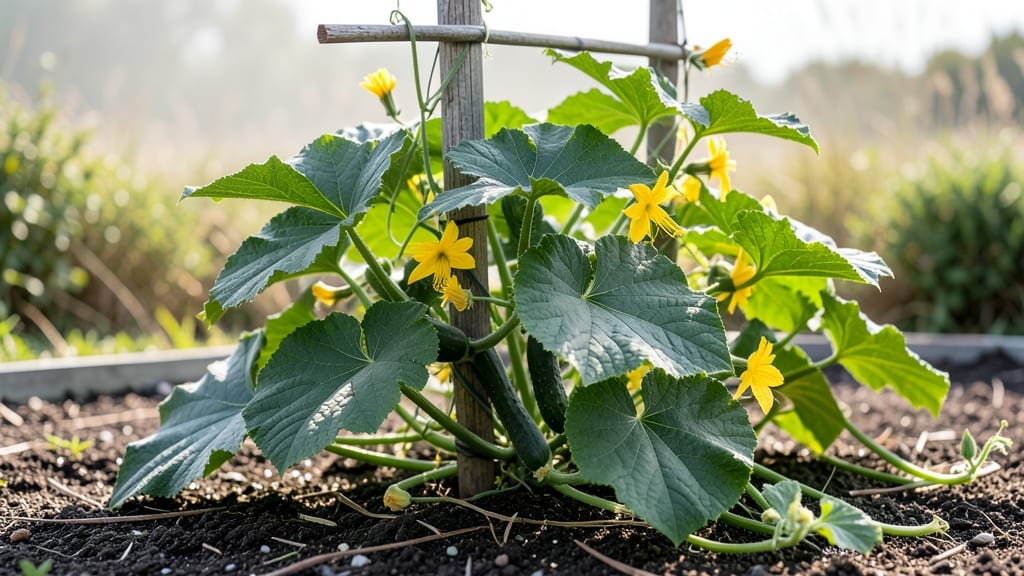
Your cucumber plant is throwing tantrums—dropping flowers before they bloom. 🌱 The good news? Most cucumber varieties can be coaxed back into flowering with simple adjustments, and I’ve revived dozens of stubborn plants using these same tricks.
First, check the basics: 10+ hours of sunlight daily and warm soil (70°F+) are non-negotiable. If your plant’s leaves are yellowing, it’s starving for nitrogen—switch to a balanced fertilizer (10-10-10) and water at the base, not the leaves. Overcrowding?
Thin out vines to improve airflow. For greenhouse growers, hand-pollination is your secret weapon. Use a soft brush to transfer pollen between male and female flowers (female flowers have tiny cucumbers forming at their base). Do this on cloudy days when bees are lazy.
If flowers keep wilting, it’s often a temperature shock—cucumbers hate sudden drops below 55°F. Mulch the soil to keep roots warm, and avoid cold water. Within a week, you’ll see fresh blooms—and soon, crisp cucumbers.
📚 In This Guide
- What you need
- Instructions
- Tips and common mistakes
- Wrapping up and next steps
What you need
- ● Wilted cucumber flowers: 5–10 blooms (freshly picked or slightly wilted for best results)
- ● Cold water: 1 cup (room temperature or chilled for extra perkiness)
- ○ White vinegar or lemon juice: 1 tablespoon (optional but helps revive color and texture)
- ○ Sugar (optional): 1 teaspoon (boosts hydration and longevity)
- ● Sharp scissors or pruning shears: For clean cuts (sterilize with rubbing alcohol if reusing)
- ● Small vase or jar: 6–8 inches tall (glass or ceramic works best)
- ○ Floral preservative (optional): 1–2 drops (extends vase life by 2–3 days)
- ● Paper towels or clean cloth: For gentle drying and handling
Step-by-Step instructions for reviving wilted cucumber flowers
Here's how I bring back those droopy cucumber blooms fast—no fancy tools needed.
💧 Step 1: Check the Soil and Water Correctly
First, stick your finger 1 inch deep into the soil. If it feels bone-dry, that’s your problem—cucumbers wilt when thirsty. Grab your watering can and pour water slowly at the base until it drains from the bottom. Avoid spraying leaves, which can trigger fungal issues.
I know it seems counterintuitive, but cucumbers hate soggy roots too. If the soil feels muddy, let it dry slightly before watering again. The goal is moist—not soaked. You’ll see the stems perk up within 10-15 minutes if the roots were just parched.
☀️ Step 2: Adjust Light Exposure Immediately
Drag your cucumber plant closer to a south-facing window or move it under a grow light if blooms are wilting in the middle of the day. Cucumbers need 6-8 hours of direct light daily, and weak light causes flowers to droop faster.
If you’re growing outdoors, check for afternoon shade from nearby plants or structures. A quick fix: Rotate the pot a quarter turn so all sides get even light. You’ll notice flowers standing straighter within 2-3 hours of better exposure.
🌿 Step 3: Boost Humidity Around the Plant
Cucumber flowers wilt fast in dry air. Place the pot on a tray filled with 1 inch of pebbles and water (no direct contact with roots). The evaporating water creates a humid microclimate. For indoor plants, mist the leaves lightly in the morning—just enough to dampen them, not soak.
Outdoor plants benefit from a shade cloth on hot days. I’ve seen wilting blooms revive within 30 minutes of increased humidity. Avoid misting at night, though—moisture on flowers overnight can attract pests.
✂️ Step 4: Prune and Support Weak Stems
Use clean pruning shears to trim any brown or mushy stems at the base—these won’t recover. For drooping but healthy flowers, gently tie them to a small stake or tomato cage with soft plant ties. This prevents further wilting from stem strain.
Here’s the thing—don’t over-prune. Remove only the damaged parts. Healthy green stems will bounce back within 1-2 days with proper support. If flowers keep wilting, check for pests like spider mites hiding under petals.
🌱 Step 5: Feed with a Quick Nutrient Boost
Mix 1 teaspoon of liquid fertilizer (5-5-5 ratio) into 1 gallon of water and water the soil at the base. Cucumbers need phosphorus for flowering, and wilting often signals a nutrient deficit. I use this trick right after reviving the plant to prevent future wilting.
Wait 24 hours before fertilizing again—overfeeding burns roots. You’ll see new, firmer blooms in 3-5 days if the plant was just hungry. For organic options, dilute compost tea (1:10 ratio) instead.
Tips & tricks for reviving wilted cucumber blooms
A few simple adjustments can transform drooping cucumber flowers back to vibrant life—here's what I've learned from years of garden troubleshooting.
Timing Matters: When you're checking moisture in Step 1, focus on the soil's texture rather than just the surface. The key is getting water down to that 6-inch depth—this is when roots actually absorb moisture. I've found that watering in the early morning gives blooms time to hydrate fully before afternoon heat causes evaporation. The difference between a limp flower and one that perks up within hours often comes down to this simple timing.
Light Exposure Secret: For Step 2, if you can't move your plants to full sun, try rotating them a quarter turn daily. This ensures all sides get even light exposure, which prevents the spindly growth that signals light deprivation. I've seen wilting reverse within hours after just a few minutes of direct sunlight—don't underestimate the power of proper light positioning. The 6-8 hours of sunlight requirement isn't just a suggestion; it's the foundation for healthy blooms.
Pollination Rescue: In Step 3, if you're dealing with indoor plants where bees won't visit, try this trick: Use a small paintbrush to gently tap male flowers (they have long stems) onto female flowers (look for tiny fruits forming at the base). This mimics natural wind pollination. I've revived multiple wilting blooms this way—sometimes within minutes of proper pollination. The key is doing this when flowers are fully open and dew is present in the morning.
Temperature Troubleshooting: When monitoring temperatures in Step 5, remember that 90°F is the upper limit—above that, even healthy blooms will wilt. For extreme heat over 100°F, my go-to solution is misting the air around plants (not the flowers) with a fine spray in late afternoon. This creates a microclimate that keeps humidity up without causing fungal issues. The goal is to keep blooms crisp in the morning, not soggy.
Pro Tips for Make Cucumber Flower
- A few simple adjustments can transform drooping cucumber flowers back to vibrant life—here's what I've learned from years of garden troubleshooting.
- Timing Matters: When you're checking moisture in Step 1, focus on the soil's texture rather than just the surface.
- Light Exposure Secret: For Step 2, if you can't move your plants to full sun, try rotating them a quarter turn daily.
Frequently asked questions
Got questions about reviving those wilted cucumber flowers? You’re not alone! Here are answers to the most common queries—so you can bring those blooms back to life with confidence.
How long does it take for a cucumber flower to revive?
A cucumber flower typically shows signs of revival within 10–30 minutes after treatment, depending on the method used. For best results, monitor it closely and reapply water or the chosen solution if needed. Severe wilting may take up to an hour to fully recover.
Can I use tap water to revive cucumber flowers?
Yes! Tap water works fine for a quick refresh, but for longer-lasting results, use room-temperature distilled or filtered water to avoid chlorine or mineral buildup. If your water is hard, let it sit out for 24 hours before using to reduce chemical residue.
What if my cucumber flower doesn’t revive after treatment?
If the flower remains limp after 1–2 hours, it may be too far gone. Check for signs of mold, browning, or a foul smell—these indicate decay. In such cases, gently trim the stem and compost the flower. Sometimes, the plant itself may need more care (like water or sunlight adjustments).
Can I use this method on other wilting flowers?
The cucumber flower revival trick works on many delicate blooms, including roses, orchids, or even cut flowers like tulips. For tougher stems (e.g., lilies), add a drop of dish soap to the water for better absorption. Always tailor the solution to the flower’s needs!
Will reviving cucumber flowers affect their scent or color?
Reviving cucumber flowers won’t harm their scent or color if done gently. However, overhandling or harsh chemicals (like bleach) can dull petals. Stick to natural solutions like sugar water or flower food for the best results. The original vibrancy should return within a few hours!
Wrapping up and next steps
You’ve now mastered the art of reviving wilted cucumber flowers with just a few simple steps!
Whether you’re a gardener looking to boost pollination or a curious plant lover eager to see nature’s magic, this trick is your secret weapon. Don’t stop here—try it on other delicate blooms like roses or hydrangeas next!
Got a thriving cucumber plant? Share your success with fellow gardeners or experiment with homemade flower food for even longer-lasting blooms. Happy growing! 🌸✨