
How To
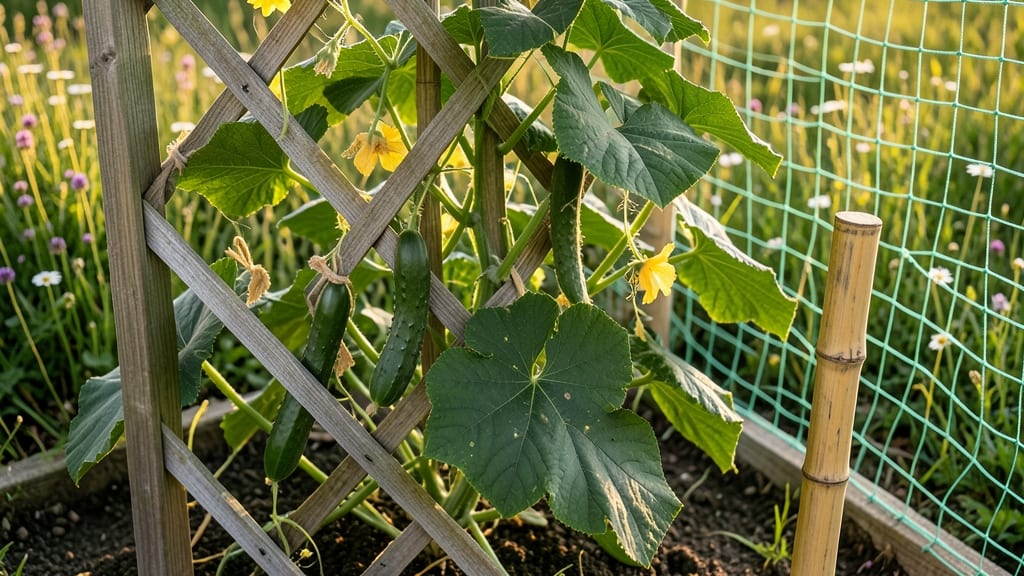
Want to know how to make cucumbers climb? Vertical growth turns chaos into a tidy, high-yielding harvest. 🌱 I learned the hard way—until I discovered how a simple trellis can double your yield while keeping pests off the ground.
The key isn’t just the support; it’s choosing the right variety and training them early. Start with bush or vining varieties (like 'Straight Eight' or 'Marketmore') and sturdy supports—wooden stakes, A-frame trellises, or even chicken wire. Plant seeds near the base, but don’t bury them deep; cucumbers hate soggy roots.
Once they’re 3-4 inches tall, gently guide the main vine upward with soft ties or twine, leaving room to grow. By midseason, you’ll see longer, straighter cucumbers with fewer blemishes. Prune aggressively to focus energy upward—snip off side shoots and suckers unless you’re growing a bush type.
The payoff? Cleaner fruit, easier picking, and less disease from damp foliage touching the soil. Works for patios, greenhouses, or small gardens. Here’s how to set it up without the guesswork—no more cucumber jungles!
📚 In This Guide
- What you need
- Instructions
- Tips and common mistakes
- Wrapping up and next steps
What you need
- ● Cucumber plants: 1–3 vines (choose bush or vining varieties like 'Straight Eight' or 'Marketmore 76').
- ● Trellis or support structure: Option 1: 6–8 ft tall wooden lattice (e.g., 2x4 stakes with horizontal slats spaced 6–12" apart).
- ● Option 2: Metal or PVC trellis kit (pre-assembled, 6–10 ft tall).
- ● Option 3: String or twine trellis: 3–4 sturdy posts (2x2" wood or metal) + 3/16"–1/4" thick twine/rope.
- ● Garden soil: Well-draining, rich in compost (pH 6.0–6.8). Add 2–3 inches of compost per planting hole.
- ● Fertilizer: Balanced 10-10-10 or organic options like worm castings or fish emulsion.
- ● Watering supplies: Hose with gentle spray nozzle or drip irrigation system.
- ● Pruning shears: Sharp, clean pair for trimming vines and suckers.
- ● Plant ties: Soft fabric strips or Velcro plant ties to secure vines to trellis (avoid wire!).
- ● Mulch: Straw or shredded leaves to retain moisture and suppress weeds.
- ● Shade cloth: Lightweight (30–50%) for hot climates to protect young plants.
- ● Cucumber clips: Plastic or wooden clips to train vines along trellis arms.
- ● Garden gloves: To protect hands while handling thorny vines.
Step-by-Step instructions for training cucumbers up a trellis
Here’s the exact method I use to turn sprawling vines into tidy, high-yielding climbers—no guesswork involved.
🪴 Step 1: Install the Trellis at the Right Time
Set up your trellis the day you transplant seedlings or sow seeds directly into the soil. Cucumbers grow fast, and waiting even a week means vines will sprawl before you can guide them upward. I use a 4-foot-tall A-frame trellis or sturdy wire mesh for bush varieties, positioned 12-18 inches from the plant’s base. Drive stakes 12 inches deep for stability—wind can topple shallow supports during storms.
For bush cucumbers, a 2-foot-tall trellis suffices, but vining types like ‘Straight Eight’ need the full height. Space multiple trellises 3 feet apart to avoid crowding. If using a fence or netting, attach it 6-8 inches from the ground to prevent vines from rotting where they touch damp soil.
🌱 Step 2: Train the Main Vine Early
Once the cucumber plant reaches 6-8 inches tall, gently tie the strongest stem (usually the thickest one near the base) to the trellis with soft plant ties or old fabric strips. Avoid wire or plastic ties—they’ll cut into the vine as it thickens. I loop the tie around the stem once, then secure it to the trellis without pulling tight. The vine should bend slightly but not snap.
Watch for new side shoots (suckers) that form in the leaf axils. Pinch these off when they’re 1-2 inches long—they drain energy from the main vine. Focus on letting one primary vine climb. If a side shoot escapes, tie it to the trellis instead, but only if it’s thicker than the current leader. This redirects growth upward.
☀️ Step 3: Guide Vines Weekly and Prune Strategically
Every 7-10 days, check the trellis and gently weave new growth through the trellis openings. Cucumbers twine naturally, but they need encouragement. For bush types, prune all vines after they hit the trellis top—this forces energy into fruit production. For vining types, let 2-3 main vines climb but prune all side shoots below the trellis.
Here’s the thing—don’t let vines touch the ground. Even a single leaf dragging in soil can introduce disease. If a vine slips, retie it immediately. I also remove yellowing leaves (a sign of disease) and male flowers (they waste energy) unless you’re saving seeds. Female flowers (with tiny cucumbers at the base) get priority.
💧 Step 4: Water and Fertilize for Vertical Growth
Water at the base only, never overhead—wet leaves spread fungal diseases like powdery mildew. Aim for 1-1.5 inches of water weekly, delivered early in the day so foliage dries quickly. Mulch with 2-3 inches of straw to retain moisture and prevent soil splatter on vines. I fertilize with a balanced 10-10-10 formula every 2 weeks once flowers appear, but cut back if vines grow leaves faster than fruit.
Watch for wilting during heatwaves—this means roots can’t keep up with vertical growth. If vines sag in the afternoon, water deeply and shade the trellis with a lightweight row cover until evening. Overhead watering here? That’s a fast track to blight. Stick to the base.
✂️ Step 5: Harvest and Maintain Through the Season
Pick cucumbers every 2-3 days to encourage more production. Overripe fruit saps energy from the vine. Use pruning shears to snip vines that outgrow the trellis—don’t yank them, or you’ll damage the plant. For bush types, harvest when cucumbers are 6-8 inches long; for vining types, wait until 8-12 inches. Larger varieties (like ‘Diva’) can go up to 14 inches before they turn bitter.
By late summer, vines slow down. If you’re in a short season, prune all but the strongest 2-3 vines to redirect energy into late-season fruit. In warm climates, cucumbers keep producing until frost. Just keep the trellis clean—remove dead leaves and tie up any stragglers. A well-trained vine can yield 20-30 pounds per plant, all within arm’s reach.
Tips & tricks for perfect cucumber trellising
Here’s what nobody tells you—these small details make all the difference between tangled vines and a garden full of easy-to-harvest cucumbers.
Trellis Stability: In Step 1, don’t skimp on stake depth. I’ve seen trellises topple in windstorms because stakes weren’t buried deep enough. For extra security, especially in windy areas, use two stakes on either side of the A-frame trellis. The 12-inch depth isn’t just a suggestion—it’s what keeps your structure standing when vines get heavy with fruit.
Vine Selection: When choosing your main vine in Step 2, look for the stem with the most visible leaf scars near the base—these indicate the strongest, most established growth. I’ve learned the hard way that choosing a thinner vine means it’ll struggle to support the weight of climbing cucumbers. Once you’ve tied your main vine, resist the urge to tie multiple vines unless they’re equally thick—this creates competition for resources.
Pruning Strategy: In Step 3, the 7-10 day pruning schedule is your best friend for maximizing fruit production. Here’s the thing: when you prune side shoots, you’re not just tidying up—you’re directing the plant’s energy toward fruit development. For vining types, I always leave 2-3 main vines climbing, but I’ll prune any that start growing downward. This vertical focus prevents disease from soil-borne pathogens that would affect vines touching the ground.
Watering Wisdom: The 1-1.5 inches of water weekly guideline in Step 4 is crucial, but timing matters just as much. I water early in the morning so foliage has all day to dry, which dramatically reduces the risk of fungal diseases like powdery mildew. And here’s a pro move: use a soaker hose or drip irrigation to deliver water directly to the base—it saves time and keeps leaves dry, which is exactly what the instructions emphasize.
Pro Tips for Make Cucumbers Climb
- Here’s what nobody tells you—these small details make all the difference between tangled vines and a garden full of easy-to-harvest cucumbers.
- Trellis Stability: In Step 1, don’t skimp on stake depth.
- Vine Selection: When choosing your main vine in Step 2, look for the stem with the most visible leaf scars near the base—these indicate the strongest, most established growth.
Frequently asked questions
Got questions about trellising cucumbers? You’re not alone! Here are answers to the most common queries to help you grow like a pro.
How soon after planting should I set up a trellis for cucumbers?
Set up your trellis as soon as seedlings have 2-3 true leaves (about 1-2 weeks after transplanting). Early support prevents sprawling and encourages upward growth. If starting from seed, install the trellis before germination—just place it nearby and adjust later.
Will cucumbers grow faster on a trellis?
Not necessarily faster, but yes, they’ll grow better! Trellises improve air circulation, reducing disease risk, and help fruits ripen evenly. Plus, vertical growth saves space and makes harvesting easier. Think of it as a growth hack for happier plants!
What if my cucumbers stop climbing halfway up the trellis?
This usually happens due to lack of training, weak vines, or overcrowding. Gently tie new growth to the trellis with soft ties, prune competing vines, and ensure they get 6+ hours of sunlight daily. If vines are leggy, try a temporary stake to boost them back on track.
Can I use a trellis for bush cucumbers?
Bush cucumbers (like ‘Bush Champion’) don’t need trellises—they’re bred to stay compact. However, if you want to try, a low 3-foot tall cage or small trellis can help with airflow. Just don’t force it; these varieties thrive sprawled out!
How often should I prune cucumbers on a trellis?
Prune weekly or biweekly to remove:
- Yellow or diseased leaves
- Suckers growing between the main vine and branches
- Overcrowded fruits (leave 6–12 inches between cucumbers)
Are there trellis alternatives for small spaces?
Try these space-saving options:
- Wall-mounted trellis: Use a metal or wooden grid on a fence or wall.
- Cage or hoop trellis: Wire cages (like tomato cages) work for bushy varieties.
- String trellis: Stretch strong twine between two posts for a DIY solution.
- Vertical pocket planter: Hang pockets on a fence for a modern twist.
Wrapping up and next steps
Growing cucumbers vertically isn’t just clever—it’s a game-changer for your garden! 🌱 By using a trellis, you’ll save space, boost airflow (fewer diseases!), and enjoy bigger, straighter, and tastier cucumbers.
Whether you’re a beginner or a seasoned gardener, these trellis secrets will transform your harvest—so grab those stakes, get creative, and watch your vines thrive!
Ready to take it further? Try experimenting with companion plants like beans or marigolds to enhance growth, or share your trellis setup with fellow gardeners for more tips. Happy climbing—and may your cucumbers reach new heights! 🚀