
Size
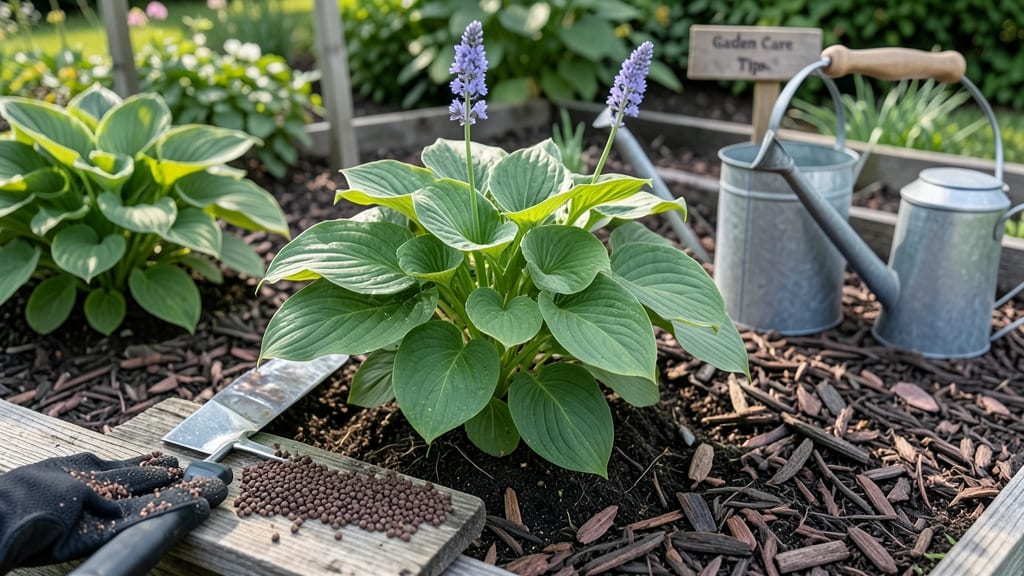
How to make hostas grow bigger—your hostas could be three times bigger in just three months—no magic, just science. 🌿 The secret isn’t more sunlight (they’re shade lovers) or fancy fertilizers, but understanding their hidden growth triggers: soil, water, and patience. I’ve turned my stubborn hostas from sad little clumps into lush, leafy giants using these simple but powerful techniques.
Start with rich, moist soil—hostas hate dry roots. Mix in compost or aged manure before planting, and top with 3-4 inches of mulch to keep moisture locked in. Water deeply once a week (more in summer heat), but never let them sit in soggy soil.
The right balance is key: too little water stunts growth, but too much rots roots faster than you can say "fungus gnat."
Here’s where most gardeners fail: division. Every 3-4 years, dig up clumps and split them into smaller sections. Each division gets a growth boost, and you end up with more plants and bigger leaves faster.
Prune dead foliage in early spring to redirect energy to new growth—your hostas will reward you with broad, vibrant leaves by midsummer.
This isn’t a quick fix, but in three months, you’ll see the difference: thicker stems, wider leaves, and plants that outcompete weeds for space. The best part? These shade-loving giants thrive with minimal fuss—just feed them well, keep them happy, and watch them grow.
📚 In This Guide
- What you need
- Instructions
- Tips and common mistakes
- Wrapping up and next steps
What you need
- ● Hostas: Mature plants (1-3 years old) with at least 2-3 healthy leaves per clump. Pro tip: Choose varieties like 'Blue Angel,' 'Sum and Substance,' or 'Francee' for rapid growth!
- ● Well-draining soil: Mix 50% garden soil + 30% compost + 20% perlite or coarse sand (10-15 cubic feet per plant). 💡 Test soil pH (ideal: 6.0-7.0).
- ● Slow-release fertilizer: 10-10-10 or 5-10-10 NPK blend (2-3 tbsp per plant at planting time).
- ● Mulch: 3-4 inches of organic mulch (shredded bark, straw, or pine needles).
- ● Watering can or hose: With a gentle spray nozzle (or soaker hose for efficiency).
- ● Pruners: Sharp, sterilized bypass pruners (for dividing or trimming).
- ● Garden fork or trowel: For gentle soil aeration (avoid compacting roots!).
- ● Epsom salt (magnesium sulfate): 1 tbsp per gallon of water (monthly foliar spray for greener leaves).
- ● Compost tea: 1 quart per plant (weekly during active growth).
- ● Shade cloth (30-50% coverage): If your hostas get partial sun (prevents leaf scorch).
- ● Plant tags: To track varieties and care schedules.
- ● Gloves: Nitrile or leather (hosta leaves can be sharp!).
Tips & tricks for maximizing hosta growth
Want to turn your hostas into shade garden showstoppers? These proven strategies will help you achieve faster, more dramatic growth without the guesswork.
Soil Science Matters: The 2-3 inches of compost mixed into the top 12 inches of soil isn't just about nutrients—it creates ideal aeration for roots. I've found that adding a handful of perlite to clay-heavy soil prevents compaction even further. This simple amendment makes all the difference in root expansion, which directly translates to bigger foliage. Think of it as giving your hostas' roots room to breathe and stretch.
Light Balance is Everything: Those 4-6 hours of filtered light are non-negotiable for optimal growth. If your hostas are in dense shade with no dappled light, consider creating a light canopy using sheer fabric or a lattice structure to diffuse more light without direct exposure. You'll notice thicker stems and more vibrant leaves when they get this perfect light balance. This is especially important for variegated varieties that need light to maintain their striking patterns.
Dividing Strategy Pays Off: When you're ready to divide those mature clumps every 3-4 years, here's my secret: I always make sure each division has at least 3-5 healthy shoots AND a portion of the old crown. This ensures the new plants have established growth centers that will produce larger leaves immediately. The 20-30% size boost in the first season comes from these established growth points that already know how to thrive.
Watering Wisdom: That weekly 1-inch moisture target is crucial, but timing matters too. I've learned that watering in the morning gives the soil time to dry slightly during the day, which prevents fungal issues. For container-grown hostas, I use self-watering pots with a moisture meter to maintain consistent moisture levels. This consistency is what helps hostas develop that thick, robust growth we're all after.
Pro Tips for Make Hostas Grow Bigger
- Want to turn your hostas into shade garden showstoppers?
- Soil Science Matters: The 2-3 inches of compost mixed into the top 12 inches of soil isn't just about nutrients—it creates ideal aeration for roots.
- Light Balance is Everything: Those 4-6 hours of filtered light are non-negotiable for optimal growth.
Frequently asked questions
Got questions about growing hostas into lush, oversized giants? You’re not alone!
Here are some of the most common queries—and their straightforward answers—to help you maximize your hostas’ growth without the guesswork.
How often should I fertilize hostas to make them grow bigger?
Feed your hostas once a month during active growth (spring to early fall) with a balanced, slow-release fertilizer (like 10-10-10). For a boost, switch to a high-nitrogen formula (e.g., 25-5-5) in early spring. Over-fertilizing can burn roots—so always water well before and after applying!
Can I make hostas grow bigger in just one season?
Yes! With consistent care, hostas can double in size in a single growing season. Focus on:
- Fertilizing (as above)
- Watering deeply 1–2 times per week (more in extreme heat)
- Dividing clumps every 3–4 years to refresh growth
- Mulching with compost or shredded leaves to retain moisture
Will hostas grow bigger in full shade vs. partial shade?
Hostas thrive in partial shade (3–6 hours of sun), where they’ll grow lush and large. In full shade, they’ll survive but grow slower and smaller. If your hostas are leggy or pale, they’re likely craving a little more light—try moving them to a spot with dappled sunlight (e.g., under tall trees).
Should I cut back hostas in winter to encourage bigger growth?
No!
Hostas are perennials, and cutting back foliage in winter removes stored energy. Instead:
- Leave dead leaves until early spring (they protect the crown).
- Trim only brown, mushy leaves in late winter to prep for new growth.
- Focus on soil health over winter—add compost to feed next year’s growth.
Why are my hostas growing slowly despite good care?
Slow growth often stems from hidden issues. Check for:
- Root-bound clumps (divide every 3–4 years)
- Poor drainage (hostas hate soggy roots—amend soil with perlite or sand)
- Pests (slugs, snails, or aphids)—use organic sprays like neem oil
- Nutrient deficiencies (yellow leaves? Try an iron supplement)
Wrapping up and next steps
Growing bigger, lush hostas is all about patience, the right conditions, and a little extra care—but trust us, it’s totally worth it! 🌿 With the perfect mix of rich soil, consistent watering, strategic division, and shade-friendly sunlight, you’ll watch your hostas transform into stunning, leafy giants in just a few months.
Don’t forget to feed them well and protect them from pests—your green thumbs will thank you!
Now that you’re armed with the know-how, roll up your sleeves and get planting! 🌱 Grab those gloves, pick a sunny (but shaded) spot, and give your hostas the love they deserve.
Before you know it, your garden will be the talk of the neighborhood—and you’ll be the hosta whisperer. Happy gardening! 🌟