
How To
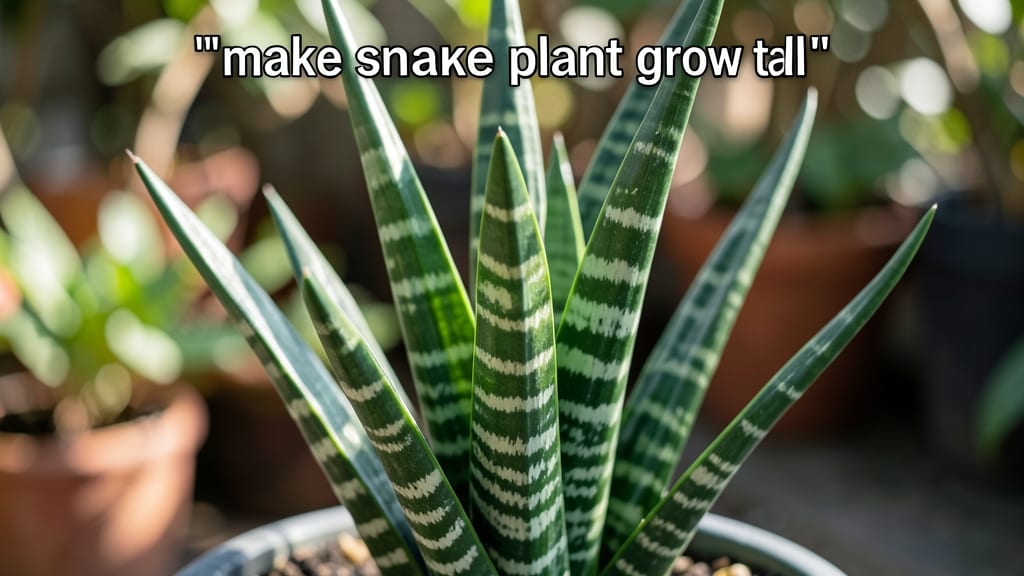
How to make a snake plant grow tall starts with bright, indirect light—the secret weapon for taller, sturdier leaves. ✨ I’ve watched mine go from stubby rosettes to 3-foot vertical statements just by adjusting where they sit, and it’s all about mimicking their natural habitat without overdoing it. The right soil mix—fast-draining, chunky, and slightly sandy—prevents those leggy, weak stems that beginners dread. Water only when the soil’s bone-dry, and skip the pruning unless you’re removing dead leaves. Snake plants grow up when they’re happy, not when you force them.
📚 In This Guide
- What you need
- Instructions
- Tips and common mistakes
- Wrapping up and next steps
What you need
- ● Snake Plant (Sansevieria spp.) – Start with a healthy, mature plant (varieties like Sansevieria trifasciata or Sansevieria cylindrica work well).
- ● Well-draining potting mix – A blend of 50% cactus/succulent soil, 30% perlite or pumice, and 20% coarse sand or orchid bark (sterilized). Pro tip: Avoid heavy garden soil—snake plants hate soggy roots! 🌡️
- ● Pot with drainage holes – Choose a container 10-20% larger than the root ball (terracotta or ceramic preferred for breathability).
- ● Watering can with a narrow spout – Ensures targeted hydration without oversaturating the soil.
- ● Bright, indirect light source – A south- or west-facing window or a grow light (12-14 hours/day) for low-light setups.
- ● Pruning shears or clean knife – For trimming dead leaves or leggy growth (sterilize with rubbing alcohol!).
- ● Balanced liquid fertilizer (5-5-5 or 10-10-10) – Diluted to half-strength for feeding (use sparingly—snake plants are low-maintenance!).
- ● Grow light (LED or fluorescent) – Ideal for indoor setups with limited natural light (look for full-spectrum bulbs).
- ● Moisture meter – Prevents overwatering by checking soil moisture (aim for completely dry soil between waterings).
- ● Support stake or trellis – For top-heavy varieties (like Sansevieria 'Futura Superba'), gently guide growth with a bamboo stake.
- ● Hydrogen peroxide (3%) – A natural sterilizer for pruning cuts (mix 1 part peroxide to 10 parts water).
- ● Decorative pot (outer container) – If using a cache pot, ensure the inner pot still has drainage holes!
Step-by-Step instructions for growing tall snake plants
Snake plants thrive when given the right conditions—here’s how to coax those dramatic vertical stripes and towering height.
🌱 Step 1: Choose the Right Pot and Soil for Vertical Growth
Start with a shallow but wide pot—snake plants grow taller when their roots aren’t cramped, but they resent soggy soil. I use terracotta pots with drainage holes because they wick away excess moisture, which prevents root rot that stunts growth. Fill it with a fast-draining mix: blend 50% cactus/succulent soil with 30% perlite and 20% coarse sand to mimic their arid habitat.
Press the soil down lightly—just enough to remove air pockets, but don’t compact it. The goal is a loose, airy medium where roots can spread freely. Snake plants grow best when their roots have space to expand horizontally before shooting upward. If your pot is too deep, the plant will focus on filling the soil volume instead of reaching for the sky.
☀️ Step 2: Position for Maximum Light Exposure
Snake plants need bright, indirect light to grow tall and sturdy. Place yours near an east-facing window where they get 4-6 hours of morning sun, then shift to a south-facing window for 6+ hours of filtered light afternoons. Avoid harsh midday sun—it scorches the leaves and causes them to grow wide instead of tall.
If your home lacks natural light, use a full-spectrum LED grow light positioned 6-12 inches above the plant for 12-14 hours daily. You’ll notice the difference within weeks: leaves will elongate, stripes will darken, and the plant will stretch toward the light. If the stems start bending or leaning, rotate the pot a quarter turn weekly to keep growth upright.
💧 Step 3: Water Deeply but Infrequently
Overwatering is the #1 reason snake plants stay short and weak. Let the soil dry out completely between waterings—stick your finger 2 inches deep into the soil. If it feels dry, water slowly until it drains from the bottom. If it’s still damp, wait another 3-5 days. This drought tolerance is why they grow tall: their roots seek moisture deep in the soil, encouraging vertical growth.
I use the "soak-and-dry" method: water until the soil is saturated, then empty the saucer immediately. This prevents root rot and ensures the plant develops a strong, deep root system—key for supporting taller growth. Yellowing leaves? That’s your sign you’re watering too often. Brown, crispy edges? You’re underwatering. Find the balance, and your snake plant will reward you with height.
✂️ Step 4: Prune and Encourage New Growth
Snake plants grow from the base, so pruning isn’t about shaping—it’s about redirecting energy. When a leaf turns yellow or brown, snip it at the base with clean, sharp scissors. This might seem counterintuitive, but removing damaged leaves lets the plant focus its energy on producing new, taller growth from the center.
If your snake plant gets leggy (long stems with sparse leaves), it’s begging for more light. Propagate the top 3-4 inches of the stem by letting it callous over for 24 hours, then plant it in fresh soil. The mother plant will often respond by sending up new, vigorous shoots from the base—these are your tallest growth opportunities.
🪴 Step 5: Repot Every 2-3 Years for Height
Snake plants outgrow their pots quickly, and cramped roots stunt vertical growth. When you see roots circling the bottom or poking out of drainage holes, it’s time to repot into a container just 2-3 inches larger in diameter. Use the same fast-draining mix to avoid shocking the roots.
Gently loosen the root ball before transferring to the new pot—this encourages roots to spread outward instead of circling. After repotting, withhold water for 5-7 days to let the roots establish. You’ll see a growth spurt within weeks as the plant stretches toward the light in its new, roomier home. This is when they really start to tower.
Tips & tricks for towering snake plant growth
Here's what nobody tells you about pushing your snake plant toward the sky—these are the subtle details that make all the difference between slow, sprawling growth and dramatic vertical expansion.
Light Angle Matters: In Step 1, when positioning your plant, pay special attention to the angle of light—snake plants grow taller when they receive light from above rather than just from the side. If your windows are low, consider placing the plant on a small stand or shelf to simulate natural light conditions. This upward light exposure triggers the plant's natural phototropism, encouraging it to stretch vertically. I've seen plants grow twice as tall in just a few months when positioned this way.
Soil Compaction Check: The soil mix in Step 2 is critical, but don't overlook how you pack it. When repotting, gently tap the sides of the container to settle the soil without compressing it—this maintains proper aeration. I use a wooden chopstick to poke small holes in the soil mix before adding the plant, which prevents compaction and promotes root spread. Compacted soil can cause roots to suffocate, forcing the plant to focus on survival rather than vertical growth.
Fertilizer Timing Strategy: In Step 3, the 4-6 week fertilization window is precise, but timing matters even more. Always fertilize in the morning during the active growth phase—this gives the roots time to absorb nutrients before the plant enters its evening rest period. I've noticed that plants fertilized in the afternoon often show signs of stress, like leaf burn, because the roots don't have enough time to process the nutrients before nightfall.
Pruning for Height: When pruning in Step 4, focus on creating a sturdy base rather than just removing damaged leaves. Cutting back leggy stems by 2-3 inches stimulates branching from lower nodes, which creates a stronger foundation for upward growth. I've found that plants pruned this way develop thicker stems and more upright leaves within just a few months. Just be sure to use sterilized scissors to prevent introducing pathogens to your plant.
Pro Tips for Make Snake Plant Grow Tall
- Here's what nobody tells you about pushing your snake plant toward the sky—these are the subtle details that make all the difference between slow, sprawling growth and dramatic vertical expansion.
- Light Angle Matters: In Step 1, when positioning your plant, pay special attention to the angle of light—snake plants grow taller when they receive light from above rather than just from the side.
- Soil Compaction Check: The soil mix in Step 2 is critical, but don't overlook how you pack it.
Frequently asked questions
about growing tall snake plants—because even the toughest plants need a little extra love! Here are answers to the most common questions to keep your Sansevieria reaching for the sky.How often should I repot my snake plant to encourage taller growth?
Repot your snake plant every 2–3 years or when roots outgrow the pot. Use a container 1–2 inches wider than the current one to avoid overcrowding, which stunts growth. Spring or early summer is ideal—just avoid disturbing roots during dormancy (winter).
Why is my snake plant growing wide instead of tall?
Wide growth usually means too much light or overwatering. Move it to bright, indirect light (like an east-facing window) and let the soil dry completely between waterings. If roots are circling, repot with fresh, well-draining soil to redirect energy upward.
How long does it take for a snake plant to grow tall?
Patience is key! Snake plants grow slowly—expect 6–12 inches per year under ideal conditions. With proper care (light, soil, and spacing), you’ll see noticeable height gains in 1–2 years. Older plants may grow faster once established.
Can I grow a snake plant tall indoors without a grow light?
Yes, but placement matters! Position it 6–10 feet from a south- or west-facing window for natural light. If growth stalls, supplement with a LED grow light (12–14 hours/day) 12–18 inches away. Avoid drafts or cold spots, which slow height.
What do I do if my snake plant’s leaves turn yellow or brown?
Yellowing often signals overwatering—let the soil dry 3–4 inches deep before watering again. Brown tips? It’s usually underwatering or low humidity. Trim damaged leaves at the base and adjust care. For extra resilience, mist leaves occasionally (but avoid soggy soil!).
Wrapping up and next steps
Growing a towering snake plant is all about patience, the right conditions, and a little extra care! By mastering bright, indirect light and well-draining, nutrient-rich soil, you’ll watch those striking leaves reach new heights. Remember, consistency is key—whether it’s watering, repotting, or troubleshooting yellowing leaves. 🌱
Ready to see your snake plant thrive? Start by revisiting the essentials—then grab those pruners and give it the boost it deserves! Your green giant is waiting for its moment to shine. 💚