
Pests
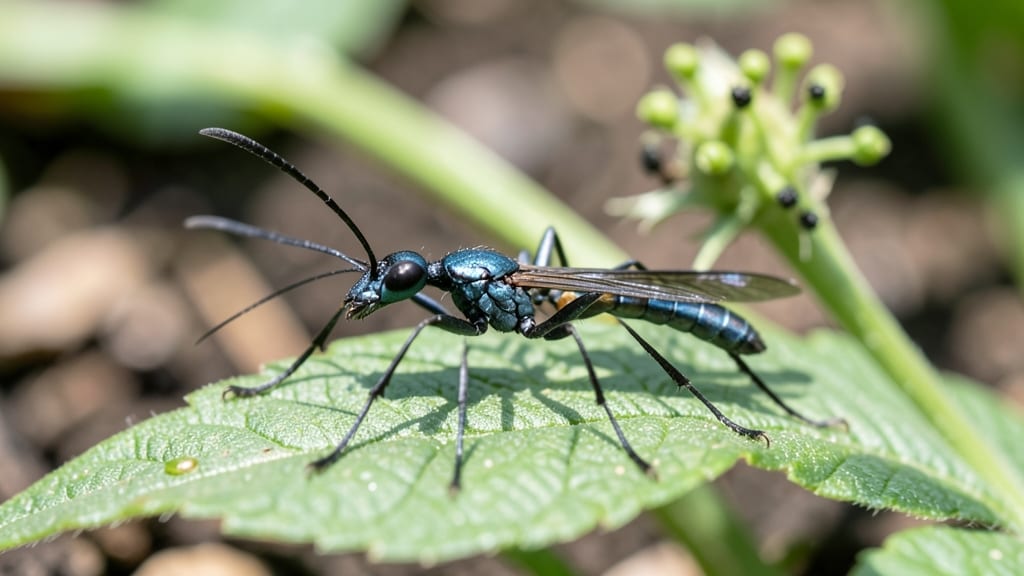
How to attract parasitic wasps had me at my wit’s end—until I discovered these tiny, harmless wasps that turn pests into their lunch. 🌱 These parasitic wasps don’t sting humans and only target specific garden troublemakers, making them the ultimate eco-friendly solution.
Creating their habitat is simpler than you’d think: plant nectar-rich flowers like dill, fennel, or alyssum near your veggies, and add a shallow water source (like a saucer with pebbles). They’ll arrive naturally within weeks, and you’ll notice fewer chewed leaves almost immediately.
Timing matters—introduce them early in the season when pests first appear, and place releases near infested plants. Within days, you’ll see fewer caterpillars and more of these wasps patrolling your garden like tiny, winged bodyguards.
If wasps aren’t your thing, ladybugs and lacewings are great backups—but nothing beats the precision of parasitic wasps. Let’s get your garden back in balance, the natural way.
📚 In This Guide
- What you need
- Instructions
- Tips and common mistakes
- Wrapping up and next steps
What you need
- ● Host insects: Caterpillars (e.g., tomato hornworms, cabbage loopers) – at least 5-10 per attraction site
- ● Larvae of beetles, flies, or moths – fresh and healthy
- ● Water source: Shallow dish with pebbles (to prevent drowning) – 1-2 per 100 sq. ft. of garden
- ○ Damp sponge or cotton wick – optional, for humidity-loving species
- ● Shelter: Potted plants with dense foliage (e.g., dill, fennel, or yarrow) – 1-2 per garden section
- ● Small wooden nest boxes (for species like Trichogramma) – 1-2 per acre
- ● Nectar sources: Native wildflowers (e.g., asters, goldenrod, or milkweed) – plant in clusters
- ● Small dishes of sugar water (1:4 sugar-to-water ratio) – refresh every 2-3 days
- ○ Handheld net or aspirator: For gently relocating wasps if needed (optional but helpful).
- ○ Spray bottle with water: To mist plants and create humidity (optional).
- ● Patience and observation: A notebook to track wasp activity (highly recommended!).
- ● Pesticide-free zone: Avoid chemicals near attraction sites (critical for success).
Step-by-Step instructions for creating a parasitic wasp habitat
Here’s how to transform your garden into a magnet for these tiny, powerful pest controllers.
🪴 Step 1: Plant Host Flowers for Adult Wasps
Parasitic wasps need nectar and pollen to survive, so start by planting native wildflowers like dill, fennel, yarrow, or goldenrod—these are their favorites. I always include astilbe and milkweed for extra appeal, as they provide both food and shelter. Space plants 12-18 inches apart to encourage dense growth and easy access for wasps.
Choose flowers that bloom consecutively (spring through fall) so wasps have a steady food source. Avoid pesticides—even "organic" sprays can harm these beneficial insects. If you’re working with limited space, a small border of marigolds or alyssum near pest-prone areas works surprisingly well.
☀️ Step 2: Set Up Shelter and Nesting Sites
Adult wasps need shaded, protected areas to rest, while larvae require undisturbed soil or wood to pupate. I recommend placing small bundles of hollow stems (like sunflower stalks or raspberry canes) in a sheltered corner of the garden. These provide natural nesting tubes for species like Trichogramma wasps.
Leave patches of bare soil in sunny spots—many parasitic wasps dig shallow burrows (about ½ inch deep) to lay eggs. Avoid tilling these areas, as disturbance can disrupt their life cycle. A small log pile or stack of untreated wood chips also attracts wasps that nest in crevices.
🌱 Step 3: Introduce Pest "Hosts" Strategically
Parasitic wasps target specific garden pests, so place their preferred prey near your wasp-friendly plants. For example, aphids on roses attract Aphidius colemani, while cabbage worms draw Cotesia glomerata. I often lightly infest a few sacrificial plants (like dill or parsley) with pests to signal wasps that food is available.
If pests are scarce, you can purchase commercially raised parasitic wasps (like Trichogramma for moth eggs) and release them near infested areas. Do this early in the morning or late afternoon when temperatures are below 85°F—wasps are less stressed and more likely to establish themselves.
💧 Step 4: Maintain Moisture and Avoid Disruption
Parasitic wasps are sensitive to drought conditions, so keep their habitat moderately moist—water host plants deeply 2-3 times per week during dry spells. A small shallow dish of water with pebbles (to prevent drowning) can also help, though wasps prefer natural sources like dew-covered leaves.
Do not disturb nesting sites once wasps have moved in. Avoid pruning or weeding near hollow stems or bare soil patches until fall, when most species have completed their life cycle. If you must move plants, do so after dark to minimize stress on resident wasps.
⏰ Step 5: Monitor and Expand Over Time
Check your habitat weekly for signs of wasp activity—look for tiny white cocoons on pest bodies or chewed leaf edges (a sign of successful parasitism). If you see fewer pests over time, your wasp population is thriving. I like to add a new flower variety each season to keep food sources diverse and attractive.
By late summer, many parasitic wasps enter diapause (a dormant state), so reduce watering slightly but keep soil from drying out completely. In spring, prune back spent growth to encourage new blooms and fresh nesting sites. Within 2-3 seasons, you’ll see a noticeable drop in pests—nature’s cleanup crew at work!
Tips & tricks for creating a thriving parasitic wasp habitat
Between us, these tiny predators are your garden's secret weapon—but only if you set up their habitat just right. Here's what I've learned after years of trial and error.
Plant Diversity is Key: While the instructions highlight dill, fennel, and goldenrod, I've found that adding clover and bee balm creates a more irresistible buffet for wasps. These flowers provide both nectar and pollen throughout the growing season, ensuring wasps have a steady food source. The more variety you plant, the more species you'll attract—think of it as creating a wasp-friendly smorgasbord.
Nesting Site Placement Matters: When setting up those hollow stems or bare soil patches in Step 2, remember that wasps prefer locations with partial shade and protection from wind. I've had the best success placing nesting sites near the north side of structures or under dense shrubs. This mimics their natural habitat preferences and increases their survival rates. The ½-inch deep soil burrows should be in well-drained areas to prevent waterlogging.
Timing for Pest Introduction: In Step 3, when you're strategically introducing pests, the early morning is ideal—not just because temperatures are below 85°F, but because wasps are most active then. I've noticed they're particularly responsive between 8-10am when humidity is still high. If you're releasing purchased wasps, this timing gives them the best chance to establish themselves before the heat of the day sets in.
Watering Strategy for Drought Sensitivity: The 2-3 times per week watering guideline in Step 4 works well, but I've refined this approach. Water deeply in the morning to allow foliage to dry completely by evening—this prevents fungal issues that can harm both plants and wasps. During extreme heat waves, I increase to daily watering but always check soil moisture first; wasps prefer slightly moist conditions but will avoid waterlogged areas.
Pro Tips for Attract Parasitic Wasps
- Between us, these tiny predators are your garden's secret weapon—but only if you set up their habitat just right.
- Plant Diversity is Key: While the instructions highlight dill, fennel, and goldenrod, I've found that adding clover and bee balm creates a more irresistible buffet for wasps.
- Nesting Site Placement Matters: When setting up those hollow stems or bare soil patches in Step 2, remember that wasps prefer locations with partial shade and protection from wind.
Frequently asked questions
Got questions about luring these tiny pest-fighting superheroes? Here’s what gardeners ask most often—and the answers to help you succeed!
What pests do parasitic wasps actually target?
Parasitic wasps like Trichogramma and Braconid species specialize in attacking caterpillars, aphids, beetle larvae, and other soft-bodied insects. They’re especially effective against tomato hornworms, cabbage loopers, and squash vine borers—common garden villains. Pro tip: If you’re battling specific pests, research wasp species tailored to them!
When is the best time to release parasitic wasps?
Timing is key! Release them at dawn or dusk when temperatures are 55–85°F (13–29°C) to avoid heat stress. For seasonal pests, start releases 2–3 weeks before the target insect appears (e.g., early spring for cabbage worms). Pro tip: Avoid releasing on windy days—they’ll struggle to find hosts.
Are parasitic wasps safe around kids, pets, or beneficial insects?
Yes! These wasps can’t sting and pose zero threat to humans or pets. They also don’t harm bees, ladybugs, or other pollinators. However, avoid releasing them near hives or areas where children play unsupervised (though they’re too small to notice). Pro tip: They’re selective predators—they won’t attack healthy plants or animals!
How much do parasitic wasps cost, and where can I buy them?
Costs vary by species and quantity: $10–$50 for a few hundred wasps (enough for small gardens). Order from specialty suppliers like Garden Safe, Arbico Organics, or local extension offices. Pro tip: Buy in bulk for larger gardens—1,000–5,000 wasps per acre works best!
What if the wasps don’t stick around? How do I troubleshoot?
If wasps vanish quickly, check these fixes:
- Lack of hosts: Ensure target pests (e.g., caterpillars) are present—they need food!
- Poor habitat: Add nearly plants (like dill or fennel) for shelter and nectar.
- Weather issues: Heatwaves or rain can stress them; release in cooler, calm conditions.
- Pesticides: Avoid chemicals—even "organic" sprays can kill them.
Wrapping up and next steps
Attracting parasitic wasps to your garden is a game-changer for natural pest control—no chemicals needed! 🌿 By creating a welcoming habitat with host plants, water sources, and shelter, you’ll turn your garden into a thriving ecosystem where these tiny allies do the hard work for you.
The key is patience and consistency; soon, you’ll notice fewer pests and a healthier garden.
Ready to take the next step? Start small—plant a few host species this season and observe the results. Before you know it, your garden will be buzzing with balance (and beneficial wasps!). 🐝✨