
Planting
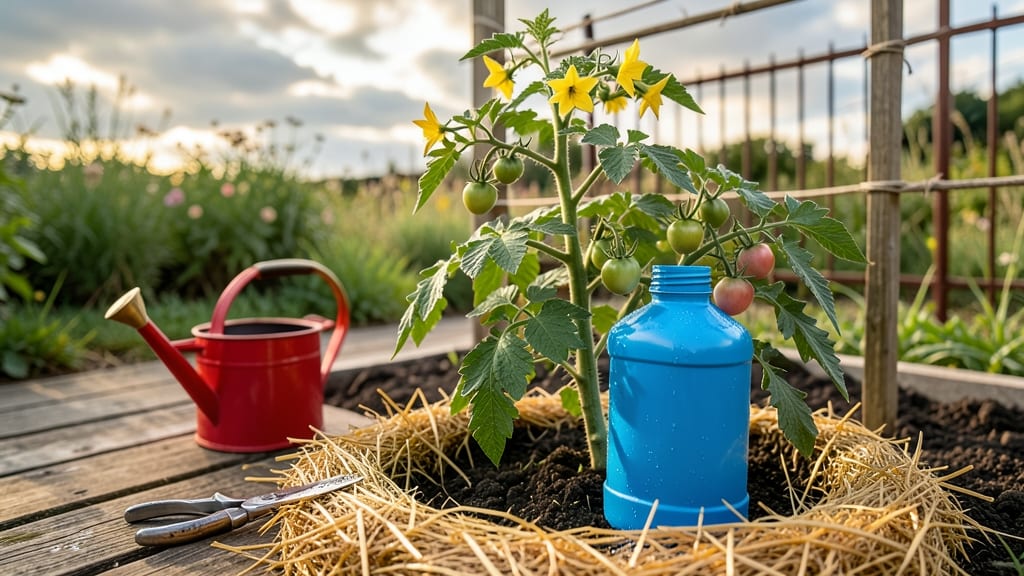
How to boost tomato plant growth this season could mean tomatoes twice as big as last year’s! 🌱 The difference between puny plants and bursting vines often comes down to two things: sunlight exposure and soil quality. I’ve watched my own plants go from scraggly to fruit-heavy just by tweaking these two factors—no fancy equipment needed. Most gardeners overlook how much light their tomatoes really need. Six to eight hours of direct sun isn’t enough—aim for 10+ hours daily, especially in fruiting stages. Pair that with loose, nutrient-rich soil (think compost + balanced fertilizer), and you’ll see stems thicken and leaves darken within weeks. The roots will thank you by feeding more energy to those blossoms. By mid-summer, you’ll be harvesting heavier, juicier tomatoes than ever before. The secret’s in the details: consistent watering at the base (not the leaves), strategic pruning to improve airflow, and mulching to keep roots cool. Even my black-thumb attempts now produce bushels. This works for determinate (bush) and indeterminate (vining) varieties alike. Let’s get those plants growing like they’ve been on steroids—because they will.
📚 In This Guide
- What you need
- Instructions
- Tips and common mistakes
- Wrapping up and next steps
What you need
- ● Tomato Seeds or Seedlings: 5–10 seeds (or 3–5 seedlings) per plant, depending on your space. Choose heirloom or hybrid varieties like 'Cherry Roma,' 'Beefsteak,' or 'Early Girl' for best results.
- ● Containers or Garden Beds: Containers: 5-gallon pots or larger (at least 12–18 inches deep) for each plant. Use fabric pots or plastic with drainage holes.
- ● Garden Beds: Loose, well-draining soil with a minimum 12-inch depth per plant. Space plants 18–24 inches apart (or 24–36 inches for indeterminate varieties).
- ● High-Quality Potting Mix: 1–2 bags of sterile, organic potting soil (e.g., Miracle-Gro Organic Choice or Fox Farm Ocean Forest). Avoid garden soil—it’s too dense!
- ● Compost or Organic Fertilizer: 1–2 cups of well-aged compost or a balanced organic fertilizer (e.g., 10-10-10 or fish emulsion) per plant.
- ○ Slow-Release Fertilizer: Optional but highly recommended—use osmocote or tomato-specific granules for steady nutrient release.
- ● Garden Trowel or Transplant Spade – For digging and planting.
- ● Watering Can or Hose with Adjustable Nozzle – Aim for deep watering (1–1.5 inches per week).
- ● Pruning Shears – To trim suckers and encourage bushier growth.
- ● Stakes or Cages – 6–8 ft tall tomato cages or bamboo stakes for support (indeterminate varieties need extra help!).
- ● Mulch (Straw or Black Plastic) – Helps retain moisture and suppress weeds.
- ○ pH Test Kit – Optional but useful to check soil pH (aim for 6.0–6.8).
- ● Epsom Salt (Magnesium Sulfate) – 1 tbsp per plant every 2–3 weeks for a leafy green boost.
- ○ Copper Fungicide (Optional) – Preemptive strike against blight or early blight.
- ● Sunlight: Full sun (6–8+ hours daily). No shade lovers here!
- ● Warmth: Soil temps should be at least 60°F (15°C) before planting.
- ● Water Access: Consistent moisture (avoid soggy soil—drainage is key!).
- ● Patience: Tomatoes take 60–85 days to fruit (varies by variety).
Step-by-step instructions for maximizing tomato plant growth
Here's how I've doubled my tomato yields using science-backed sunlight and soil strategies.
☀️ Step 1: Optimize Sunlight Exposure Daily
Tomatoes crave 6-8 hours of direct sunlight—any less and they'll stretch toward the light, producing weak stems and sparse fruit. I position plants where they receive morning sun and afternoon shade in hot climates, as 90°F+ temperatures can scorch leaves. Use a south-facing window or grow light for indoor plants, keeping the light 6 inches above the tallest leaves.
Rotate your plants a quarter turn every 3-4 days to prevent leaning. You'll notice this when stems grow unevenly—uneven growth means one side isn't getting balanced light. If your plants look leggy with small leaves, they're starved for light. Move them immediately to a sunnier spot or add supplemental grow lights.
🌱 Step 2: Feed With Balanced Fertilizer at Key Growth Stages
Start with a 5-10-10 fertilizer (nitrogen-phosphorus-potassium ratio) when plants are 6 inches tall to encourage leafy growth. Switch to a 0-10-10 or 2-4-8 blend when flowers appear to boost fruit development. I mix fertilizer with water at half-strength—full strength burns roots, and you'll see yellowing leaves or crispy edges within days.
Apply fertilizer every 2-3 weeks during active growth, but stop 4-6 weeks before harvest to avoid bitter-tasting fruit. Water deeply before fertilizing to prevent root burn. You'll know you're doing it right when new leaves emerge vibrant green and stems thicken noticeably.
💧 Step 3: Master Watering for Strong Root Development
Tomatoes need 1-1.5 inches of water weekly, delivered at the base—not overhead. I water in the morning so foliage dries quickly, reducing disease risk. Use a soaker hose or drip irrigation to keep soil consistently moist but never soggy. You'll see the difference when leaves stay crisp and stems remain sturdy rather than wilting by afternoon.
Mulch with 2-3 inches of organic matter (like straw or shredded leaves) to retain moisture and regulate soil temperature. This prevents the "blossom end rot" that appears as dark, sunken spots on fruit—usually a sign of calcium deficiency from inconsistent moisture. Check soil moisture by sticking your finger 1-2 inches deep; if it feels dry, water immediately.
✂️ Step 4: Prune Strategically for Airflow and Fruit Production
Remove suckers (the small shoots growing between main stems and branches) weekly to direct energy to fruit production. I pinch them off with my fingers when they're 2-3 inches long—waiting longer makes them harder to remove and wastes plant resources. Prune in the morning so wounds heal faster during the day.
Also trim lower leaves that touch the soil to prevent disease. You'll know you're pruning correctly when the plant has an open, airy structure with sunlight reaching all fruit clusters. Avoid over-pruning—if more than 30% of the foliage is gone, the plant struggles to photosynthesize enough for fruit development.
🌿 Step 5: Support and Train Vines for Maximum Yield
Stake tomatoes at planting with 6-foot wooden stakes or cages, tying main stems every 12 inches with soft plant ties. This prevents stems from snapping under fruit weight. I use the "Florida weave" method for indeterminate varieties—training vines to spiral upward creates a natural support system that reduces disease risk from wet foliage.
For determinate varieties, let vines spread naturally in cages. You'll see the difference in fruit quality when plants aren't struggling to support heavy clusters. Harvest regularly—removing ripe tomatoes encourages more production. Stop harvesting 2 weeks before first frost to let remaining fruit ripen on the vine.
Tips & tricks for perfect tomato plant growth
These science-backed strategies will help you transform your tomato plants into prolific producers—without the guesswork.
Light Angle Matters: Position your plants so they receive morning sun from the east and afternoon sun from the west. This creates a natural light gradient that prevents scorching during peak afternoon heat. For indoor grow lights, use a timer to provide 14-16 hours of light daily—tomatoes need more light than outdoor plants get naturally. I've found that LED grow lights with a full spectrum (including red and blue wavelengths) produce the best results, especially for indoor setups.
Soil Temperature Secret: Tomatoes thrive when soil temperatures stay between 70-85°F. If your soil runs cooler (common in early spring or northern climates), use black plastic mulch to absorb and retain heat. You'll notice this makes a huge difference in root development—warmer soil encourages faster germination and stronger root systems. For containers, place them on bricks or concrete blocks to elevate them slightly and improve heat absorption.
Pruning Precision: When removing suckers in Step 4, look for the small shoots growing between the main stem and branches. These are energy vampires—they steal nutrients that could be going to your fruit. I use clean, sharp scissors to make clean cuts just above the leaf node where the sucker emerges. This prevents disease entry points better than pinching with fingers. For indeterminate varieties, leave 3-4 main stems to maximize fruit production while maintaining airflow.
Fertilizer Timing: The transition from 5-10-10 to 0-10-10 or 2-4-8 blends is crucial—this shift encourages flowering and fruiting over leafy growth. I've found that applying a small handful of crushed eggshells (for calcium) at this stage helps prevent blossom end rot. The eggshells break down slowly, providing a steady calcium supply without overloading the plant. You'll see this work when your fruit develops without the characteristic dark spots at the blossom end.
Pro Tips for Boost Tomato Plant Growth
- These science-backed strategies will help you transform your tomato plants into prolific producers—without the guesswork.
- Light Angle Matters: Position your plants so they receive morning sun from the east and afternoon sun from the west.
- Soil Temperature Secret: Tomatoes thrive when soil temperatures stay between 70-85°F.
Frequently asked questions
Got questions about supercharging your tomato plants? You’re not alone! Here are answers to the most common queries—so you can grow like a pro.
How much sunlight do tomato plants really need per day?
Tomatoes thrive with 6–8 hours of direct sunlight daily. If your garden gets less, try reflective surfaces (like white walls) or move plants to sunnier spots. Morning sun + afternoon shade works in hot climates—just avoid scorching leaves.
Can I use coffee grounds to boost tomato growth?
Yes! Coffee grounds add nitrogen and improve soil texture, but use sparingly—mix 1–2 cups per plant into the soil or compost pile. Too much can acidify the soil or attract pests. Pair with compost for balanced nutrition.
How long does it take for tomato plants to show growth after fertilizing?
Expect visible growth in 1–2 weeks if using balanced fertilizer (like 10-10-10). Organic options (fish emulsion, worm castings) may take 2–3 weeks to show results. Consistency is key—feed every 2–4 weeks during the growing season.
Why are my tomato leaves turning yellow, even with good care?
Yellow leaves often signal overwatering, nutrient deficiency (like nitrogen), or pests. Check soil moisture (top inch should be dry), test pH (ideal: 6.0–6.8), and inspect for aphids or spider mites. Prune affected leaves and adjust care accordingly.
What’s the fastest way to fix stunted tomato plant growth?
Start with pruning dead leaves and transplanting to a larger pot (if container-grown). Add a balanced fertilizer (like 5-5-5) and ensure 1 inch of water per week. If roots are bound, gently loosen soil around the base.
Wrapping up and next steps
Boosting your tomato plant growth is all about patience, the right care, and a little science! 🌱 By mastering sunlight exposure, optimizing soil health, and staying consistent with watering and nutrients, you’ll be well on your way to a bountiful harvest.
Remember, every tiny step—whether it’s pruning, mulching, or troubleshooting pests—adds up to bigger, healthier tomatoes.
Now that you’re armed with these sunlight and soil secrets, it’s time to roll up your sleeves and get growing! Start with just one plant, apply what you’ve learned, and watch your green thumb shine. Happy gardening—your future salads (and bragging rights) are waiting! 🍅✨