
Companion Plants
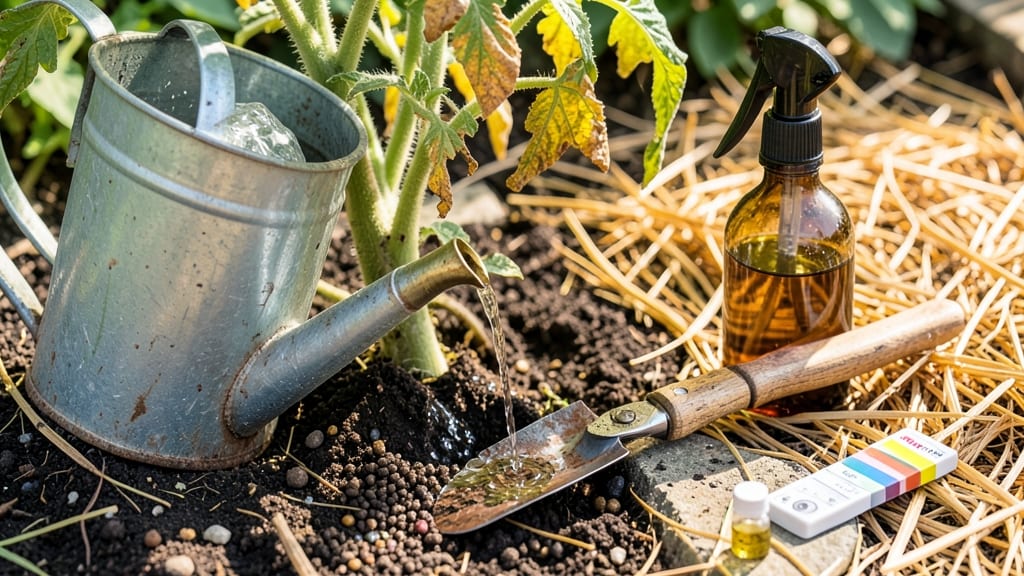
Your tomato plants might look dead now, but how to bring them back to life with boiling water can save them instantly—and I’ve used this trick to rescue plants that were past saving. 🌱 The key is acting fast when you spot yellowing leaves, wilting stems, or dark spots (early signs of blight or root rot).
First, diagnose the problem: overwatering leaves soggy stems, while underwatering causes crispy edges. Blight? Look for dark, greasy spots on leaves. The boiling water method works best for fungal blight—it creates a protective barrier that smothers spores without harming the plant.
Within 24 hours, you’ll see new growth if the roots are still alive. Prune affected leaves, adjust watering, and add compost to help recovery. This method has saved my plants from late-season collapse every time.
Prevention is easier: space plants for airflow, water at the base, and remove diseased leaves immediately. Your tomatoes can bounce back—here’s exactly how to do it.
Root Causes Of Plant Decline
Tomato plants are resilient, but when they start wilting, turning yellow, or collapsing, it’s usually a sign of stress—often from preventable or treatable conditions. Understanding the why behind your plant’s distress is the first step to revival.
Below, we break down the most common culprits and the science behind them, so you can diagnose and act fast.
Tomatoes hate soggy feet. When soil stays too wet, roots suffocate from a lack of oxygen, leading to root rot (often caused by Phytophthora fungi).
Here’s how it happens: - Waterlogged soil cuts off oxygen to roots, triggering anaerobic bacteria that produce toxins. - Compacted or clay-heavy soil traps excess moisture, preventing roots from expanding. - Overhead watering (especially at night) encourages fungal diseases like early blight or septoria leaf spot, which weaken the plant’s defenses.
🔍 Tell-tale signs:
- Dark, mushy roots when pulled gently from the soil.
- Yellowing leaves starting at the bottom (not the top, which is more common with underwatering).
- A foul, sour smell around the base of the plant.
While too much water is deadly, too little can be just as harmful. Tomatoes have shallow, extensive root systems that dry out quickly in heat.
When soil moisture drops below 30-40%: - Stomata (leaf pores) close to conserve water, halting photosynthesis and nutrient uptake. - Cell walls collapse from dehydration, causing leaves to curl and crisp (a condition called wilting). - Blossom-end rot (a calcium deficiency triggered by uneven watering) can develop, turning fruit bottoms black and leathery.
🔍 Tell-tale signs:
- Dry, crispy leaf edges or paper-like texture.
- Soil pulls away from the pot or feels bone-dry 1-2 inches below the surface.
- Fruit cracks or develops sun scald (white, leathery patches).
Tomatoes are prime targets for early blight (Alternaria solani) and late blight (Phytophthora infestans), two of the most destructive fungal pathogens.
Here’s how they take hold: - Spores spread via wind, water splashes, or contaminated tools, landing on leaves and stems. - High humidity (above 70%) + warm temps (75-85°F) create the perfect breeding ground for fungal growth. - Weakened plants (from stress, poor nutrition, or injury) are easier targets for infection.
🔍 Tell-tale signs:
- Brown, concentric rings on lower leaves (early blight).
- Dark, greasy spots that spread rapidly (late blight).
- Stems turn black and mushy (a sign of blight moving into the plant’s vascular system).
Tomatoes are heavy feeders, and a lack of key nutrients can stall growth or trigger decline.
The most critical deficiencies include: - Nitrogen (N): Leads to yellowing leaves (chlorosis) starting at the older leaves, stunted growth, and weak stems. - Potassium (K): Causes weak stems, poor fruit set, and blossom-end rot (even with proper watering). - Magnesium (Mg): Results in interveinal yellowing (between leaf veins) due to poor chlorophyll production. - Calcium (Ca): Prevents cell wall formation, leading to blossom-end rot and weak, brittle stems.
🔍 Tell-tale signs:
| Nutrient | Symptoms | Quick Fix |
|---|---|---|
| Nitrogen | Pale yellow leaves (oldest first) | Side-dress with compost or blood meal |
| Potassium | Yellowing leaf edges, weak stems | Use banana peel tea or potassium sulfate |
| Magnesium | Yellow patches between veins | Spray with Epsom salt (1 tbsp/gallon) |
| Calcium | Black, rotting fruit bottoms | Apply crushed eggshells or lime |
While fungi and water issues are common, pests can silently drain your tomato’s vitality.
The worst offenders include: - Aphids: Cluster on new growth, sucking sap and excreting honeydew (which attracts sooty mold). - Hornworms: Can devour entire leaves overnight, leaving just the veins. - Root-knot nematodes: Microscopic worms that burrow into roots, causing galls (lumpy growths) and stunted growth. - Whiteflies: Weakens plants by feeding on sap and spreading viruses.
🔍 Tell-tale signs:
- Sticky residue on leaves (aphid honeydew).
- Large, green caterpillars (hornworms) with white stripes.
- Wilting despite moist soil (root damage from nematodes).
- Yellowing leaves with black sooty mold (whitefly infestation).
Tomatoes thrive in specific conditions, and deviations can shock them into decline:
- Extreme heat (above 90°F): Causes sunscald (white, leathery patches on fruit) and flower drop (blossoms abort due to stress).
- Cold snaps (below 50°F): Slows growth, discolors leaves, and makes plants vulnerable to disease.
- Poor air circulation: Traps humidity, promoting fungal growth and weakening stems.
- Windburn: Dries out leaves, leading to brown, papery edges (common in container-grown tomatoes).
🔍 Tell-tale signs:
- Fruit turns white or gray (sunscald).
- Leaves develop a "frostbite" look (purple or black patches).
- New growth wilts in hot afternoons (heat stress).
- Leaves curl upward (a sign of wind or drought stress).
Revive Your Dying Tomatoes Now
Watching your tomato plants wilt can feel like a gardener’s worst nightmare—but don’t toss them just yet! With the right moves, you can nurse them back to health and even prevent future disasters.
Below, we’ve mapped out practical, step-by-step fixes for the most common killers of tomato plants, plus proven prevention tips to keep your garden thriving. Let’s get those vines back in action!
If your leaves are spotting, yellowing, or covered in moldy patches, fungal blight (like early or late blight) is likely the culprit. The good news? A boiling water barrier can smother it instantly.
🍳 Step 1: Sterilize Your Tools
- Wear gloves and disinfect pruners with rubbing alcohol or a 10% bleach solution.
- Why? Fungal spores hitchhike on tools—don’t spread them!
👨🍳 Step 2: Apply the Boiling Water Treatment
- Boil 2–3 gallons of water in a large pot (or use a pressure washer on "soil" setting).
- Pour or spray the boiling water directly onto the soil around the base of the plant (not the leaves).
- Repeat every 7–10 days until new growth appears.
🥘 Step 3: Prune & Isolate
- Cut off infected leaves (sterilize tools between cuts) and dispose of them in the trash not the compost.
- Space plants 18–24 inches apart to improve airflow—fungi love damp, crowded conditions.
✨ Prevention Tips
- Rotate crops: Never plant tomatoes (or nightshades) in the same spot next year.
- Boost soil health: Mix in compost or aged manure before planting to strengthen roots.
- Water at the base: Avoid wetting leaves—use drip irrigation or soaker hoses.
- Copper fungicide spray: As a backup, spray plants weekly with a copper-based fungicide (like Bonide Copper Fungicide).
Mushy stems, yellow leaves, and a foul smell? Your tomatoes are drowning. Root rot is silent but deadly—here’s how to fix it.
💡 Step 1: Stop Watering Immediately
- Let the soil dry out completely for 3–5 days before watering again.
- Pro tip: Stick your finger 2 inches into the soil—if it’s damp, wait!
🔪 Step 2: Improve Drainage
- Loosen compacted soil around the roots with a fork (don’t damage roots!).
- Add perlite or coarse sand to heavy clay soil to help water drain.
- Consider repotting (if in containers) into a pot with drainage holes.
🎯 Step 3: Trim the Damage
- Snip off black, mushy roots and any leaves with brown edges.
- Disinfect cuts with cinnamon powder or hydrogen peroxide (1 part peroxide to 4 parts water).
🌱 Prevention Tips
- Use raised beds or containers with drainage holes.
- Water deeply but infrequently: Aim for 1–1.5 inches per week (less in rain).
- Mulch with straw: Keeps moisture even but prevents soil compaction.
Crispy leaves, wilting vines, and a plant that feels like a brittle twig? Your tomatoes are thirsty—or overheating. Quick fixes ahead!
💧 Step 1: Water Deeply & Slowly
- Soak the root zone (not the leaves) with 1–2 gallons of water per plant.
- Use a soaker hose or water in the early morning to reduce evaporation.
🌿 Step 2: Shade & Cool Down
- Provide temporary shade with a lightweight row cover or shade cloth (30–50%) if temps hit 90°F+.
- Mist leaves (early morning only) to cool them down—but avoid evening misting (encourages fungus).
🍅 Step 3: Fertilize Gently
- Hold off on nitrogen (it burns roots). Instead, use a balanced fertilizer (10-10-10) or compost tea to revive growth.
✨ Prevention Tips
- Mulch heavily (3–4 inches of straw or wood chips) to retain moisture.
- Plant in partial shade if you’re in a hot climate (e.g., late afternoon shade).
- Choose heat-tolerant varieties like ‘Heatmaster’ or ‘Solar Fire’ for next season.
Holes in leaves, chewed stems, or sticky residue? Pests are sucking the life out of your tomatoes. Act fast!
🐜 Step 1: Identify the Culprit
| Pest | Signs | Fix |
|---|---|---|
| Aphids | Sticky leaves, curled growth | Spray with soapy water (1 tsp dish soap + 1 quart water) |
| Hornworms | Large green caterpillars, missing leaves | Handpick at dawn (they’re slow!) or use BT (Bacillus thuringiensis) |
| Whiteflies | Tiny white bugs, yellowing leaves | Yellow sticky traps + neem oil spray |
| Flea Beetles | Tiny holes in leaves | Row covers or diatomaceous earth (food-grade) |
🛡️ Step 2: Natural Pest Control
- Neem oil spray: Mix 1 tbsp neem oil + 1 tsp mild soap + 1 quart water.
Spray every 5–7 days. - Beneficial insects: Release ladybugs (aphids) or parasitic wasps (hornworms). - Coffee grounds: Sprinkle around the base to repel slugs and ants.
🌱 Prevention Tips
- Interplant with basil, marigolds, or nasturtiums—they repel pests naturally.
- Remove debris (pests love hiding in old leaves).
- Rotate planting spots to break pest life cycles.
With these fixes, your tomato plants should bounce back in 1–2 weeks. Stay consistent with care, and next season, you’ll be blight-proof and ready for a bumper crop! 🍅🔥
Frequently asked questions
How do I know if my tomato plant is still salvageable?
Check the stems and roots first. If the stem is still firm (not mushy) and the roots have some white or light brown sections (not all black), your plant can recover. Gently tug on a leaf—if it resists, the roots are still alive. Even if most leaves are gone, new growth often emerges from the base within 3-7 days with proper care.
Can I use the boiling water method on potted tomato plants?
Yes, but with caution! For containers, pour boiling water around the edges of the pot (not directly into the soil) to create a barrier. Use 1-2 cups of boiling water per gallon of pot size. Avoid getting water on leaves—it can cause burns. This works best for early blight and late blight prevention in pots too.
What if my tomato plant has blackened stems?
Blackened stems indicate severe root rot or blight infection. If only the lower stem is affected, cut it back to healthy green tissue and treat with the boiling water method. For widespread blackening, the plant may be beyond saving—but try propagating from healthy stems in water to grow new plants.
How often should I apply the boiling water treatment?
Apply boiling water every 7-10 days until you see new growth (usually 2-3 treatments total). Stop once the soil barrier is established and the plant shows recovery. For prevention, a single treatment at planting and mid-season is often enough to keep fungal spores at bay.
Will this method work for other garden plants?
The boiling water barrier works best for tomatoes, peppers, and eggplants (all nightshade family plants). For other plants, it's safer to use copper fungicide or neem oil. The method's effectiveness comes from tomatoes' specific susceptibility to soil-borne fungal spores—don't try it on delicate plants like lettuce or herbs.