
Pruning
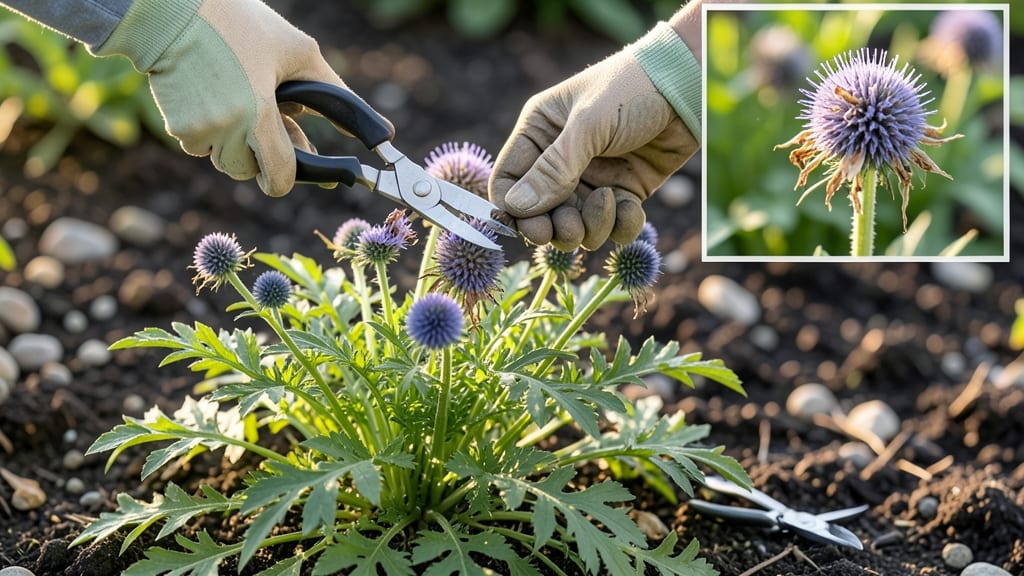
One simple snip keeps your pincushion flowers blooming all summer. 🌸 Deadheading scabiosa isn’t just about looks—it tricks the plant into producing fresh buds instead of wasting energy on spent blooms.
I’ve watched my scabiosa go from a few weeks of flowers to 8+ weeks of nonstop blooms just by doing this one thing regularly.
The tools you need? Just clean pruners or your fingers (yes, really). Grab a sunny morning when the blooms are fully open but before they turn brown—that’s your perfect window. Most people wait too long, and then the plant stops flowering. Scabiosa is forgiving, but timing matters for maximum results.
What you’ll end up with is a bushier plant covered in fresh blooms instead of dried-up stems. The flowers stay vibrant longer, and you’ll get more of those charming pincushion shapes that everyone loves.
Plus, your plant stays healthier because it’s not putting energy into seeds when it could be making more flowers.
This method works for scabiosa in garden beds, containers, or even cut flower arrangements. The key is consistency—just a few minutes every few days keeps your plant looking its best all season. Let’s get those blooms lasting longer!
📚 In This Guide
- What you need
- Instructions
- Tips and common mistakes
- Wrapping up and next steps
What you need
- ● Sharp pruning shears or bypass pruners – Choose a pair with stainless steel blades (4-6 inches long) for clean cuts. Example: Felco F2 or Corona Classic.
- ○ Gloves (optional but recommended) – Wear gardening gloves (medium to large size) to protect hands from thorns or rough stems.
- ● Disinfectant (70% isopropyl alcohol or bleach solution) – A small spray bottle or wipe to clean tools between cuts and prevent disease.
- ● Bucket or trash bag – A 5-gallon bucket or sturdy bag to collect spent blooms and debris.
- ● Hand lens or magnifying glass – Helps spot hidden buds or pests if your Scabiosa is overcrowded.
- ● Pruning saw (for thick stems) – Only needed if your plant has woody, mature stems over ½ inch thick.
- ● Compost bin access – Repurpose spent blooms as nutrient-rich compost!
Step-by-Step instructions for deadheading scabiosa
Here’s the easy, foolproof way to keep your pincushion flowers blooming all season long.
🌿 Step 1: Identify the Right Blooms to Trim
Wait until at least 50% of the flower head has faded to a pale pink or white—this signals the petals are spent. Fresh blooms still have vibrant color and firm petals, while deadheaded ones feel slightly papery. I always check the center first: if the tiny florets are brown and crumbly, it’s time to snip.
Use your thumb and forefinger to gently squeeze the flower head. If it crumbles easily, it’s ready. Avoid cutting healthy blooms—you’ll sacrifice new flowers for the next flush. Scabiosa produces multiple stems from the base, so you’ll have plenty of fresh blooms to replace what you remove.
✂️ Step 2: Make the Clean Cut
Hold the stem at a 45-degree angle just above a set of healthy leaves or a leaf node. This angled cut helps water run off instead of pooling at the stem base, which prevents rot. I like to use sharp bypass pruners—they make clean cuts without crushing the stem, which keeps the plant healthy.
Don’t cut too close to the leaf node, or you risk damaging the growing point. Aim for about ¼ inch above the leaves. If you’re unsure, look for the tiny bump where new leaves or stems emerge—this is your target. A clean cut encourages the plant to redirect energy into new blooms instead of supporting spent flowers.
🌱 Step 3: Encourage New Growth
After deadheading, give your scabiosa a light drink of water at the base to help it recover. The plant will focus energy on producing new side shoots from the base, which will eventually bloom. I’ve found that scabiosa responds best to regular deadheading every 3-5 days during peak bloom season—this keeps the plant producing fresh flowers for weeks.
Watch for new buds forming at the base of the plant. These will appear as small, tightly packed green clusters. Once they open, you’ll see the classic pincushion shape emerging. If you notice the plant slowing down, it might need more sunlight—scabiosa thrives in full sun (6+ hours daily) and may produce fewer blooms if shaded.
⏰ Step 4: Maintain Through the Season
Deadhead throughout the blooming season, but reduce frequency as temperatures drop in fall. Scabiosa often produces a second flush of blooms in late summer if given enough time to recover. I stop deadheading entirely once frost threatens, as the plant will focus on hardening off for winter.
Keep an eye out for wilting or yellowing leaves—this can signal over-deadheading or stress. If you’ve trimmed too aggressively, the plant may take longer to bounce back. A little patience and a light feeding with balanced fertilizer (10-10-10) mid-season can help revive it. With consistent care, your scabiosa will reward you with weeks of vibrant blooms instead of just a single flush.
Tips & tricks for perfect scabiosa deadheading
Here's what nobody tells you about keeping your pincushion flowers looking fresh all season.
Timing Secret: The 3-5 day deadheading schedule in Step 3 is your magic number during peak bloom. I learned this the hard way after skipping a week—my plants produced a second flush of blooms that were half the size and less vibrant. Think of it like pruning roses: consistency is key. If you're away for a weekend, do a quick check before you leave to avoid letting too many blooms go to seed.
Tool Tip: While bypass pruners are ideal for Step 2, you can absolutely use sharp scissors or even your fingers for smaller stems. Just be extra careful not to crush the stem—this can introduce bacteria that leads to rot. I've used clean nail scissors in a pinch, but they're not as precise for larger stems. The goal is always a clean cut that encourages new growth rather than stressing the plant.
Sunlight Strategy: Scabiosa thrives in full sun (6+ hours daily), but here's the thing: if your plant starts producing fewer blooms, it might need more light. I've seen plants in partial shade still bloom, but the flowers are smaller and less frequent. If you notice your plant struggling, move it to a sunnier spot gradually—sudden exposure can shock the plant. A south-facing window or moving to a sunnier part of your garden can work wonders.
Recovery Hack: That light drink of water in Step 3 isn't just symbolic—it's crucial for recovery. After deadheading, I give my plants a good soak at the base, making sure water penetrates the soil about 2 inches deep. This helps the plant bounce back faster and encourages those new side shoots. Think of it like giving your plant a refreshing shower after a workout—it helps everything grow stronger.
Pro Tips for Deadhead Scabiosa
- Here's what nobody tells you about keeping your pincushion flowers looking fresh all season.
- Timing Secret: The 3-5 day deadheading schedule in Step 3 is your magic number during peak bloom.
- Tool Tip: While bypass pruners are ideal for Step 2, you can absolutely use sharp scissors or even your fingers for smaller stems.
Frequently asked questions
about deadheading Scabiosa (pincushion flower) can save you time and frustration. Here are answers to the most common queries from gardeners:When is the best time to deadhead Scabiosa?
Deadhead Scabiosa right after blooms fade—typically in late spring through summer. For continuous blooms, repeat every 2–3 weeks. Avoid pruning in fall if you’re in a cold climate, as the plant may need time to harden off before winter.
Do I need special tools to deadhead Scabiosa?
Nope! Clean, sharp pruners or even your fingers work. Just ensure tools are sanitized (rubbing alcohol wipe) to prevent disease. For large clumps, bypass pruners make the job easier. Skip the fancy tools—focus on precision over pressure!
What if I skip deadheading? Will my Scabiosa still bloom?
Yes, but expect fewer, shorter-lived blooms. Deadheading redirects energy to new flowers instead of seed production. Skipping it may lead to leggy stems or a messy appearance. Think of it like trimming your hair—less effort now = more beauty later!
My Scabiosa looks sad after deadheading. Did I do it wrong?
Not necessarily! Over-pruning (cutting into old wood) can stress the plant. Stop at the first set of healthy leaves or just above a leaf node. If it’s still wilted, check for pests or underwatering. Give it a week to recover—patience is key!
Can I deadhead Scabiosa in containers or hanging baskets?
Deadhead container-grown Scabiosa the same way
—just be extra gentle with delicate stems. For hanging baskets, use small scissors to avoid disturbing nearby flowers. Pro tip: Deadhead in the morning when stems are sturdier!
Wrapping up and next steps
Deadheading your Scabiosa is a simple yet rewarding task that keeps your garden vibrant and full of life! With just a pair of clean pruners and a little patience, you can enjoy weeks of stunning blooms—no green thumb required. 🌸
Ready to put your new skills to the test? Start with one plant today and watch as your Scabiosa rewards you with fresh, cheerful flowers all season long. Happy gardening!