
How To
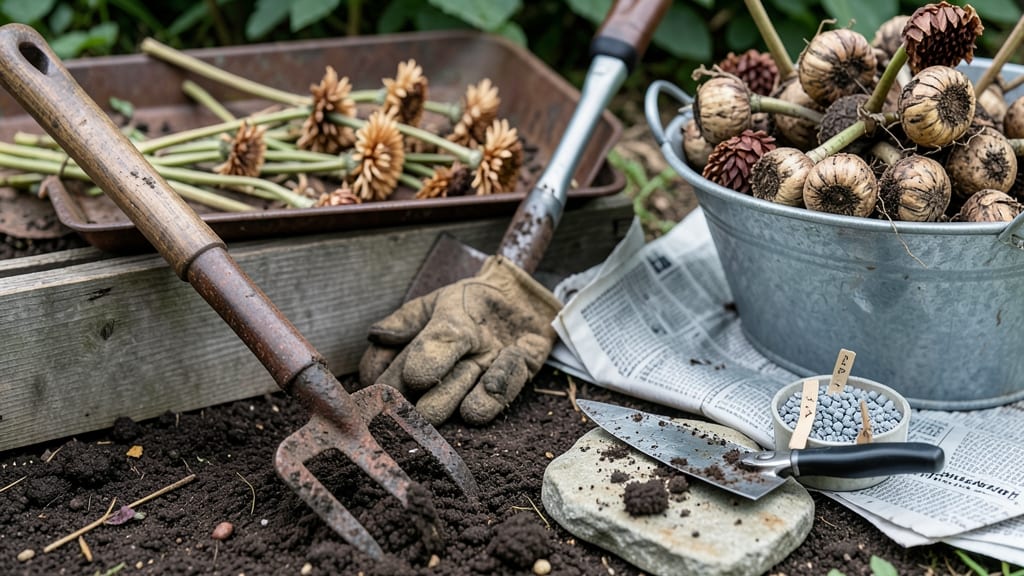
How to dig up and store dahlia tubers before winter is the secret to saving your favorite blooms for next season—trust me, I’ve learned the hard way. ✨ I’ve dug up tubers for years, and the difference between thriving plants next spring and sad, rotting clumps comes down to timing and technique—both of which I'll share so you don’t lose another season's blooms.
The key is working before the ground freezes but after the first hard frost—usually 2-3 weeks before your area's first freeze date. You'll need a fork, gloves, and a dry, dark storage spot (like a basement or garage) where temps stay between 32-45°F.
Clean tubers thoroughly, let them dry completely, and store them in a breathable container with peat moss or sand for moisture control.
By spring, your tubers will be ready to replant—just watch for any soft, mushy spots during storage, which signal rot. Healthy tubers should feel firm and plump, with no signs of mold or decay. With proper care, you'll get bigger, more abundant blooms the following year than you've ever seen.
This method works for all dahlia varieties, whether you're growing 6-foot dinner plate blooms or compact varieties for containers. The same principles apply whether you're in zone 5 or zone 9—just adjust your timing to match your local frost dates.
📚 In This Guide
- What you need
- Instructions
- Tips and common mistakes
- Wrapping up and next steps
What you need
- ● Garden fork or spading fork – A sturdy, heavy-duty fork (18–24 inches long) to gently loosen soil without damaging tubers.
- ● Garden gloves – A pair of durable, cut-resistant gloves (e.g., Fellowes or Gloves USA) to protect your hands from thorns and sharp tools.
- ● Pruners or sharp shears – Bypass pruners (like Felco F-2) to trim foliage and stems cleanly.
- ● Bucket or wheelbarrow – A 5-gallon bucket or larger (for small gardens) or a wheelbarrow (for bulk harvests) to collect tubers.
- ● Hose with spray nozzle – To rinse off soil gently before storing.
- ● Newspaper or cardboard – For cushioning tubers during transport (avoid plastic—it traps moisture!).
- ● Dahlia tubers – The star of the show! Dig up healthy, firm tubers (avoid soft or rotting ones).
- ● Perlite, peat moss, or vermiculite – A 5-gallon bucket of perlite (for aeration) or peat moss (for moisture control).
- ● Plastic storage bins or mesh bags – Choose ventilated containers (e.g., Sterilite bins with holes or breathable mesh bags) to prevent rot.
- ● Labeling tags or markers – Waterproof labels (e.g., Dymo tags) to mark tuber varieties.
- ● Cool, dark storage space – A garage, basement, or shed with temps between 35–45°F (2–7°C) and 50–70% humidity.
- ● Disinfectant spray – A 10% bleach solution (1 part bleach to 9 parts water) to sterilize tools and bins.
- ● Fungicide powder – Like Mycorrhizal inoculant or copper fungicide to prevent rot during storage.
- ● Thermometer/hygrometer – To monitor storage conditions (especially in unpredictable climates).
- ● Plant tags or a spreadsheet – For tracking varieties, bloom times, and storage dates.
Step-by-step instructions for digging up and storing dahlia tubers
Here’s the foolproof method I’ve used for years to bring back those showstopping blooms season after season.
🪴 Step 1: Time It Right and Prepare Your Workspace
Wait until the first hard frost when foliage blackens and dies back completely—this usually happens in late October or November, depending on your zone. Cut the stems back to 6 inches above the soil line with clean pruners to reduce disease risk. Clear leaves and debris from around the plants to make digging easier.
Spread a tarp or large cardboard box nearby to catch tubers as you dig. I like to work on a dry day when soil is firm but not frozen—this prevents tubers from breaking when pulled. If rain is forecast, move up your timeline to avoid soggy storage conditions.
✂️ Step 2: Dig Carefully to Avoid Damaging Tubers
Use a garden fork or spade to loosen soil in a wide circle around the plant, working 12 inches outward from the stem. Gently lift the entire root ball, shaking off excess soil to expose the tubers. You’ll see thick, knobby tubers connected by smaller roots—these are your prize for next year.
Separate tubers by gently pulling them apart at the connections. If they resist, don’t force it—use clean pruners to cut through stubborn roots. Handle tubers like eggs: they bruise easily, and damaged spots rot during storage. Discard any tubers with soft or mushy areas immediately.
💧 Step 3: Cure and Clean Before Storage
Let tubers air-dry in a shaded, well-ventilated area for 2-3 days. This curing process toughens the skin and prevents rot. I place them on a wire rack or hang them in small bunches with twine. Avoid direct sunlight—it can cause tubers to dry out too quickly and crack.
Once fully dry, brush off any remaining soil with your hands or a soft brush. Don’t use water to clean them—moisture invites rot. Store tubers in a cardboard box or paper bag with holes for airflow. Label each variety if you’re storing multiple types.
⏰ Step 4: Store in Ideal Conditions
Keep tubers in a cool, dark place where temperatures stay between 35-50°F. A basement, garage, or unheated shed works perfectly. Check them monthly to remove any that feel soft or develop mold—these will spoil others nearby.
Don’t refrigerate tubers—they’ll rot from excess humidity. If your storage area gets too warm, move them to a cooler spot immediately. With proper care, your tubers will stay dormant until planting time next spring, ready to burst back into bloom.
🌱 Step 5: Prep for Next Year’s Planting
In early spring, about 4-6 weeks before your last frost date, inspect tubers for signs of life. Healthy ones will feel firm and show tiny buds. Soak tubers in lukewarm water for 1-2 hours to rehydrate before planting—this jumpstarts growth.
Plant tubers 4-6 inches deep in well-draining soil, spacing them 12-18 inches apart. Water lightly after planting, then wait until new shoots appear before fertilizing. You’ll see those familiar leaves within 2-3 weeks—proof your winter storage paid off!
Tips & tricks for perfect dahlia tuber storage
Here's what I learned the hard way after ruining three batches of tubers—these tricks keep your dahlias thriving year after year.
Timing is Everything: Don't rush the frost timing! Wait until foliage is completely blackened and crispy—this signals the tubers have fully matured. I've dug too early when stems were still green, and those tubers never survived storage. Check your local frost dates and mark your calendar for 10-14 days after that first hard freeze at 32°F or below.
Handle with Care: Those 12 inches around the stems matter—work your garden fork gently in circles to avoid piercing the tubers. I once broke several tubers trying to lift too quickly, and they rotted during storage. Take your time lifting the entire root ball, and if soil falls away, brush it off gently rather than scrubbing. The tubers are tougher than they look but bruise easily.
Curing Can't Be Skipped: That 1-2 week curing period at 50-60°F is non-negotiable. I tried skipping it once and had moldy tubers by spring. Place them in a well-ventilated spot where air circulates—think of it like letting apples cure after harvest. The toughened skin prevents moisture loss and disease during the long winter ahead. A basement with a small fan works perfectly.
Storage Space Matters: Your 35-45°F storage spot needs to be consistently cool—no garage attics or unheated basements that freeze. I've had tubers freeze solid and others sprout prematurely from temperature swings. A refrigerator crisper drawer works well if you don't have a dedicated root cellar, but check them every 4-6 weeks. Remove any that show signs of sprouting immediately—they won't store properly once growth starts.
Pro Tips for Dig Up And Store Dahlia Tubers
- Here's what I learned the hard way after ruining three batches of tubers—these tricks keep your dahlias thriving year after year.
- Timing is Everything: Don't rush the frost timing!
- Handle with Care: Those 12 inches around the stems matter—work your garden fork gently in circles to avoid piercing the tubers.
Frequently asked questions
Got questions about digging up and storing dahlia tubers? You’re not alone! Here are some of the most common concerns—and expert answers to keep your tubers thriving until spring.
When is the best time to dig up dahlia tubers?
Wait until the first hard frost (when temperatures drop below 25°F (-4°C)) or after the foliage dies back naturally. This usually happens in late fall, but timing depends on your climate. If frost hits early, act fast—tubers left in cold, wet soil risk rot.
Can I store dahlia tubers in the fridge?
Not ideal! While a fridge might seem convenient, the humidity and temperature fluctuations can cause tubers to sprout prematurely or rot. Instead, store them in a cool (35–45°F / 2–7°C), dry place like a basement or garage with good airflow.
What do I do if my tubers have mold or soft spots?
Toss them! Mold or mushy spots mean the tuber is infected or rotting—don’t risk planting it. To prevent this, let tubers dry completely before storing and avoid overcrowding them in containers. Healthy tubers should feel firm and wrinkled, not slimy.
How do I know if my stored tubers are still viable?
Check for eyes (buds) in spring—these look like tiny bumps. If you see green shoots or firm, plump tubers, they’re ready to plant! If they’re shriveled, wrinkled, or hollow, they’ve likely dried out or rotted and won’t regrow.
Can I store dahlia tubers in plastic bags?
Only if they’re dry and well-ventilated! Seal them in a paper bag or mesh container with a bit of peat moss or vermiculite to absorb moisture. Avoid airtight plastic—it traps humidity and promotes rot. Poke a few holes if you must use plastic!
Wrapping up and next steps
Digging up and storing dahlia tubers might seem like a daunting task, but with the right tools and a little patience, you’ll set the stage for a stunning comeback next spring! 🌱 By following these steps—from timing and tools to proper storage—you’re not just preserving your dahlias; you’re investing in next year’s vibrant garden masterpiece.
Now that you’re equipped with the know-how, grab those gloves, mark your calendar, and get ready to reward your garden with a burst of color when the frost thaws.
Ready to take it further? Plan your spring planting schedule or explore dahlia care tips for early growth—your future blooms will thank you!