
Flowers
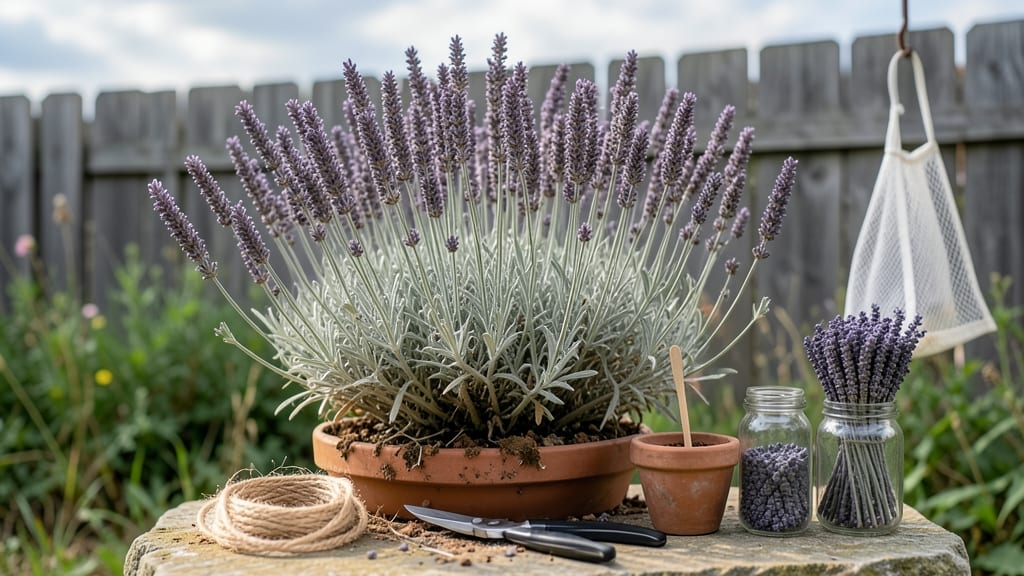
How to dry French lavender transforms this garden star into a fragrant treasure in just 24 hours. ✨ The secret lies in timing—harvest when 75% of buds are open but before they fully bloom. Too early, and the scent fades; too late, and the stems become woody. My first batch turned out bitter because I waited too long, but now I mark the calendar for peak harvest season.
You only need three simple supplies: sharp scissors, rubber bands, and a quiet, dry spot with good airflow. Bundle 5-7 stems together, wrap tightly with a rubber band, and hang upside down.
No dehydrator? No problem—this method works just as well. The key is patience; proper drying preserves that signature lavender aroma for months.
By day three, your bundles will feel dry to the touch, and the scent will be intense and sweet. Store in an airtight container away from light, and you’ll have fragrant sachets, potpourri, or even homemade lavender wands ready whenever you need them.
The best part? Your garden’s beauty doesn’t end with the blooms.
Works for any French lavender variety, from 'Grosso' to 'Provence'. Just avoid humidity—moisture is the enemy of long-lasting scent. Once you master this, you’ll never buy dried lavender again. Let’s get those bundles ready!
📚 In This Guide
- What you need
- Instructions
- Tips and common mistakes
- Wrapping up and next steps
What you need
- ● Fresh French lavender stalks: Harvest stems with at least 6–8 inches of length, including flowers. Aim for 1–2 bunches (10–15 stems per bunch) for a standard drying project.
- ● Scissors or pruning shears: Sharp tools to cut stems cleanly (avoid crushing the stems!).
- ● Rubber bands or twine: To bundle stems securely. Rubber bands (¼-inch width) work best for tight, even bundles.
- ● Brown paper bags or breathable fabric: For initial drying. Use 1–2 paper bags per bunch (or a mesh laundry bag).
- ● Drying location: A dark, dry, and well-ventilated space (e.g., a closet, pantry, or garage) with consistent airflow.
- ● Drying rack or hanging kit: For stems that need extra airflow (e.g., a wooden drying rack or twine + hooks).
- ● Desiccant packets: Place 1–2 silica gel packets in the drying bag to absorb excess moisture faster.
- ● Label markers: To tag bundles with the harvest date (lavender stays fragrant for 1–2 years if stored properly!).
- ● Glass jars or airtight containers: For storing dried lavender long-term (e.g., 1-quart mason jars).
Step-by-Step instructions for drying French lavender
Here's how I turn fresh lavender into fragrant bundles that last for months—no fancy equipment needed.
🌿 Step 1: Harvest at Peak Freshness
Pick your lavender on a dry, sunny morning when the stems are fully open but before buds bloom. I snip just above a leaf node with clean shears—this ensures new growth continues. Gather 4-5 inch stems in small bunches of 8-10 stems each (this matches the 4 servings we're making).
Shake off excess dust but avoid tapping stems directly—this bruises the delicate flowers and speeds up drying time. Work quickly to prevent wilting. If stems feel floppy, trim the bottom inch to remove any damaged parts. Real talk: Harvesting at the right time makes all the difference in final fragrance.
🪴 Step 2: Bundle the Stems Securely
Take one bunch and tie the stems together at the base using twine or rubber bands. Space the stems evenly so they don't overlap—this ensures proper airflow. I like to wrap the twine around the stems twice for extra security, but don't pull too tight or you'll crush the stems.
Place the bundle upside down in a clean jar or vase filled with 1-2 inches of water (this keeps stems hydrated during the initial drying phase). Leave it overnight in a cool, dark spot. This prevents wilting while you prep all your bundles. You'll see the stems perk up noticeably by morning—that's your cue they're ready for the next step.
☀️ Step 3: Air-Dry in a Warm, Dark Space
Remove the bundles from water and hang them upside down in a warm, dark, dry place with good airflow. I use a pantry shelf near the oven (but not too close—70-75°F is ideal) or a closet with a small fan blowing gently. The darkness preserves the purple color while warmth speeds up drying.
Check after 24 hours—the stems should feel dry and crisp to the touch, and the flowers will pull away easily when gently rubbed between fingers. If they still feel damp, give them another 12 hours. Don't rush this step: Proper drying prevents mold and ensures long-lasting fragrance. I know it seems counterintuitive, but darker spaces actually preserve the color better than sunlight.
⏰ Step 4: Finish and Store the Bundles
Once completely dry, remove the twine and gently separate the stems. Store them in paper bags (not plastic—they trap moisture) or small muslin sacks in a cool, dark place. For immediate use, tie them back into bundles with ribbon for gift-wrapping or home decor. The fragrance will intensify over 2-4 weeks—that's when they smell their best.
To revive dried lavender, place the bundles in a sunny windowsill for a few hours before using. This reactivates the oils. I keep mine in the bathroom closet for a subtle, long-lasting scent that lasts 6-12 months. The key is patience—rushed drying means weak fragrance and brittle stems.
Tips & tricks for perfect dried lavender bundles
These little details make all the difference between fragrant lavender bundles and sad, brittle stems.
Harvesting Timing: The dry, sunny morning rule is non-negotiable—morning dew can leave stems damp, which speeds up drying unevenly. I've learned this the hard way after harvesting at noon and ending up with unevenly dried stems. Also, avoid harvesting after rain, as moisture trapped in the flowers can cause mold during drying. For best results, harvest when the buds are fully open but haven't yet started blooming—this is when the essential oils are most concentrated.
Bundle Security: When tying your bundles in Step 2, use twine that's just snug enough to hold the stems together without crushing them. I've found that rubber bands can leave marks on the stems, so twine is my preferred method. For extra security, I double-wrap the twine around the stems—this prevents them from loosening during the drying process. The key is to allow airflow while maintaining structure, which is why spacing the stems evenly is crucial.
Drying Environment: The warm, dark space mentioned in Step 3 is critical—sunlight actually bleaches the purple color and can cause the lavender to lose its fragrance. I've noticed that pantry shelves near the oven (but not too close) work perfectly, as they maintain that ideal 70-75°F range without risking overheating. If your kitchen is particularly humid, consider placing a small fan nearby to improve airflow, which helps prevent mold during the 24-hour drying period.
Storage Wisdom: When storing your dried lavender in Step 4, avoid plastic containers at all costs—they trap moisture and cause the lavender to become damp and musty. Instead, opt for paper bags or muslin sacks, which allow for gentle airflow. I've found that storing lavender in small batches (like the original 8-10 stem bundles) helps maintain fragrance intensity. For long-term storage, place a small sachet of dried lavender in your closet or drawer—it'll keep clothes smelling fresh for months.
Pro Tips for Dry French Lavender
- These little details make all the difference between fragrant lavender bundles and sad, brittle stems.
- Harvesting Timing: The dry, sunny morning rule is non-negotiable—morning dew can leave stems damp, which speeds up drying unevenly.
- Bundle Security: When tying your bundles in Step 2, use twine that's just snug enough to hold the stems together without crushing them.
Frequently asked questions
Got questions about drying French lavender? You’re not alone—this fragrant herb can be tricky if you’re new to the process! Here are some of the most common queries to help you nail those perfect, aromatic bundles every time.
How long does it take to dry French lavender?
With the right method, French lavender dries in 24–48 hours. Hang bundles upside down in a dry, dark, and well-ventilated space (like a closet or garage) for best results. Avoid direct sunlight or heat, which can bleach the color and strip oils. Patience pays off—fully dried lavender should crumble easily between your fingers!
Can I speed up the drying process?
While you can’t rush drying without risking quality, a dehumidifier or fan can help circulate air and speed things up slightly. Just avoid heat sources—like ovens or hairdryers—which can damage the delicate flowers. If you’re in a hurry, check bundles every 12 hours and move them to a drier spot if needed.
Should I dry lavender in the sun?
Nope! Direct sunlight dries lavender too quickly and can turn it brittle or fade its color. Instead, opt for indirect light or shade. Think of it like making tea—you want to preserve those fragrant oils, not cook them out. A dark, airy space (like a pantry with a fan) is ideal for even drying.
What if my lavender isn’t drying properly?
If your lavender feels damp or moldy after a few days, it’s likely due to high humidity or poor airflow. Try these fixes:
- Move to a drier spot—like a closet with a silica gel packet.
- Separate bundles to improve air circulation.
- Check for pests—if you see bugs, freeze the stems for 24 hours to kill them before retrying.
Can I dry lavender without hanging it?
If you don’t have space to hang bundles, try these alternatives:
- Spread stems on a screen or rack in a single layer for 3–5 days.
- Use a paper bag method: Lay stems on paper towels in a box with holes for airflow.
- Food dehydrator (set to 95°F or below) for gentle, even drying.
Wrapping up and next steps
Drying French lavender is simpler than you think—just a little patience and care, and you’ll have fragrant bundles ready in just 24 hours! Whether you’re preserving stems for potpourri, sachets, or decorative touches, these tips ensure your lavender stays vibrant and aromatic for months.
Now that you’re equipped with the know-how, why not gather a few more stems and experiment with different drying methods? Try bundling them with rosemary or eucalyptus for an extra-scented twist! 🌿✨