
Watering
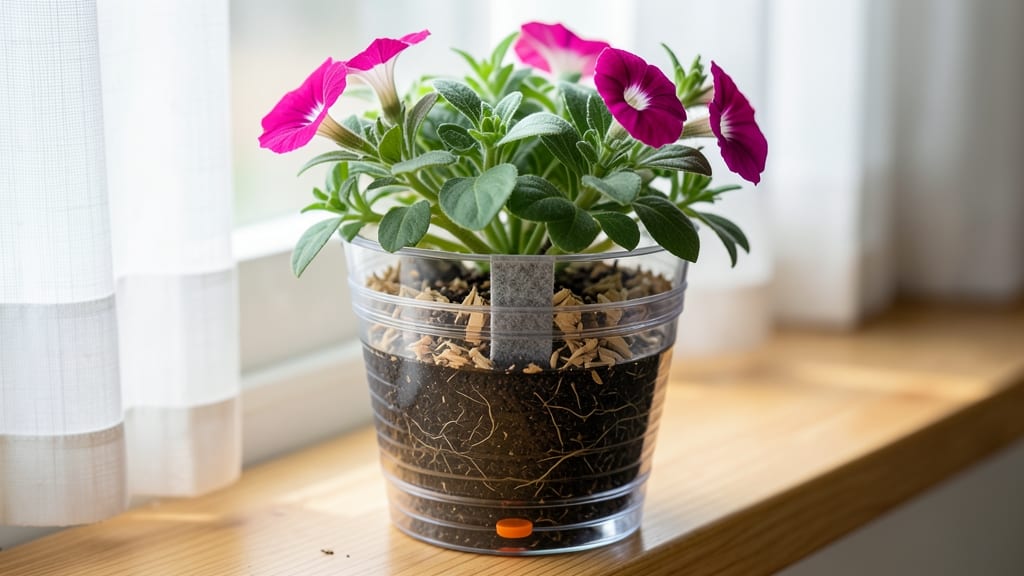
Fill self-watering pots by adding potting mix to the top chamber, then pour water into the reservoir until it reaches the wick or overflow holes—never submerge the plant. Refill as needed to maintain consistent moisture without overwatering.
Self-watering pots work by creating a two-chamber system where water slowly travels through wicks or porous barriers to the roots. 💧 The key is balancing the reservoir level—too much water can drown roots, while too little leaves plants thirsty.
I’ve found that most containers perform best when the reservoir is filled to just below the overflow line, allowing the wick to draw moisture upward without flooding the soil.
This system isn’t one-size-fits-all—succulents thrive with minimal water, while tropical plants need deeper, more frequent hydration. Container size matters too: larger pots hold more water, so adjust your fill ratio accordingly.
For instance, a 5-gallon pot might need 2-3 gallons of water, while a 1-gallon container only requires 1 cup. Always check the moisture level before refilling to avoid over-saturating the soil.
💡 In This Article
- How Self-Watering Pots Regulate Moisture
- Best Filling Techniques for Different Plant Types
How self-watering pots regulate moisture
The magic behind self-watering pots lies in capillary action, a physics principle where water moves through narrow spaces due to adhesion and cohesion forces.
When you pour water into the reservoir, it climbs upward through the wick or porous barrier (like a ceramic core) at a rate of about 1/8 to 1/4 inch per hour, depending on the material.
This slow, steady flow mimics natural rainfall, delivering moisture directly to the root zone without oversaturating the soil. 💧 The wick's material—often cotton or synthetic fibers—acts like a straw, drawing water upward against gravity while filtering out impurities.
Proper fill levels are critical because the reservoir must stay full enough to maintain this upward flow but not so full that it floods the soil. Most designs include overflow holes (typically 1-2 inches above the wick base) to prevent excess water from seeping into the growing medium.
If you fill past these holes, the wick can't regulate flow, leading to soggy soil and root rot. Conversely, underfilling leaves the wick dry, causing plants to wilt despite visible water in the reservoir.
For optimal performance, keep the water level between the wick's base and the overflow line—this creates a 1-2 inch buffer that ensures consistent moisture without drowning roots.
This system prevents two common pitfalls: overwatering (which suffocates roots by blocking oxygen) and underwatering (which stresses plants by drying out soil unevenly).
The porous barrier in some pots adds another layer of control by allowing water to seep gradually through tiny pores, creating a moisture gradient that encourages deeper root growth.
Unlike traditional pots where water pools at the bottom, self-watering designs distribute hydration evenly, reducing the risk of fungal diseases like Pythium that thrive in waterlogged conditions. 🌱
Temperature also affects how quickly water moves through the wick. In hot weather, evaporation increases, so you may need to refill the reservoir more often—sometimes every 2-3 days for thirsty plants like tomatoes. In cooler months, the same pot might only need a top-up weekly.
Always check soil moisture with your finger: if the top 1-2 inches feel dry, it's time to refill, regardless of the reservoir's current level. This hands-on approach ensures your plants get just the right amount of hydration.
One common misconception is that self-watering pots eliminate the need to monitor plants entirely. While they reduce watering frequency, they don’t make plants maintenance-free.
For example, a 5-gallon pot with a thirsty pepper plant might need 3-4 gallons of water over two weeks, but if the wick clogs with mineral deposits (from tap water), the flow slows to a trickle.
To prevent this, use filtered or distilled water and occasionally flush the reservoir with vinegar to dissolve buildup. This simple step keeps the capillary action working smoothly for years. 🔄