
Planting
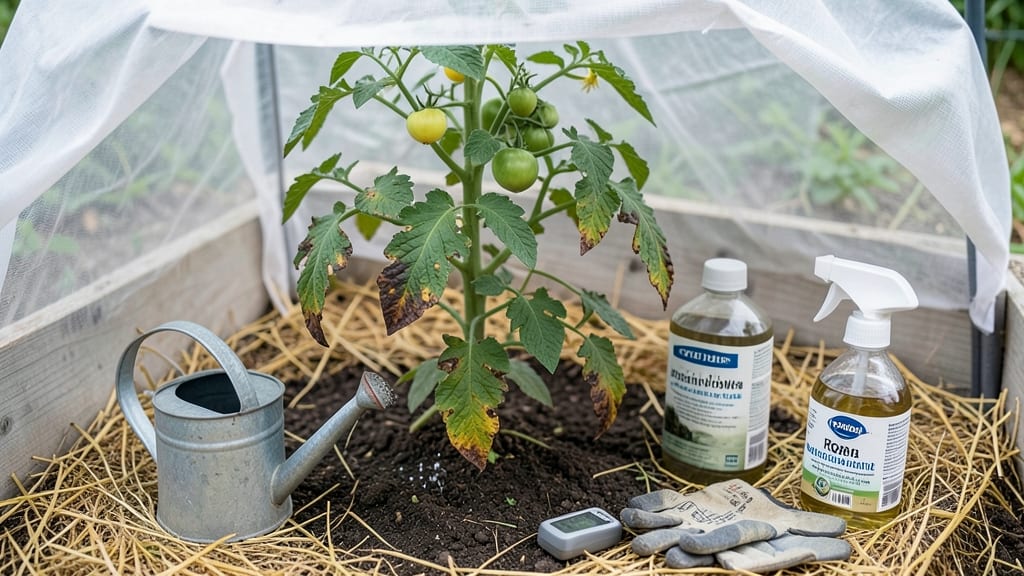
How to fix burnt plant leaves—your once-lush houseplant now looks like it survived a desert storm. 🌿 Burnt leaves aren’t always a death sentence—sometimes they’re just screaming for help. I’ve nursed back more scorched foliage than I’d like to admit, and the fix often comes down to three simple adjustments most gardeners overlook.
The first step is diagnosing the real cause: too much sun, fertilizer burn, or environmental stress all look similar at first glance. A quick check of your plant’s location, watering schedule, and last feeding date reveals the culprit.
Once you know what’s wrong, the fix becomes straightforward—whether it’s moving the plant, adjusting water, or flushing the soil.
Within days, you’ll see new growth pushing through, and those crispy edges will soften. The key is acting fast before the damage spreads. My peace lilies bounce back every time, and even my sunburnt succulents recover with just a little shade and patience.
Prevention is easier than repair: monitor light exposure, dilute fertilizers, and avoid soggy soil. Most burnt leaves are preventable with these small tweaks. Let’s turn those crispy edges into fresh, vibrant foliage again.
📚 In This Guide
- What you need
- Instructions
- Tips and common mistakes
- Wrapping up and next steps
What you need
Before diving into the rescue mission for your scorched plants, gather these essentials to bring your foliage back to life! Whether you're dealing with sunburn, chemical burns, or overwatering mishaps, having the right tools makes all the difference. Here’s your
How to revive burnt plant leaves: gentle recovery steps
Don't toss those scorched plants yet—most can bounce back with the right care.
☀️ Step 1: Identify and Remove the Heat Source
First, figure out what caused the burn. If leaves show crispy brown edges or bleached white patches, direct sun exposure is usually the culprit. Move the plant to a spot with morning sun only or filtered afternoon light. For indoor plants, check if a heat vent or sunny window is blasting hot air—even 90°F+ temperatures can scorch leaves.
Trim away the most damaged leaves with clean scissors. You'll know which to remove—they'll feel dry and brittle, not just wilted. Cut back to healthy green growth, leaving the stem intact. This prevents the plant from wasting energy trying to revive dead tissue.
💧 Step 2: Restore Moisture Balance Without Overdoing It
Burnt leaves often lose moisture faster, so give the plant a deep watering—until water runs out the drainage holes. But here's the thing: don't let the soil stay soggy. After watering, wait until the top 1-2 inches of soil feel dry to the touch before watering again. Overwatering stresses plants just as much as underwatering.
Mist the leaves lightly in the evening to help them recover. You'll see the difference within a few days—the leaves will perk up and new growth will appear along the stems. For severe burns, place a humidity tray nearby (fill a shallow tray with pebbles and water) to create a mini greenhouse effect.
✂️ Step 3: Prune Strategically to Encourage New Growth
Use sterilized pruning shears to trim back any leaves that are more than 50% browned. Cut just above a leaf node (the bump where leaves attach) to encourage new shoots. This might seem drastic, but it's how the plant redirects energy to healthy parts. You'll notice fresh green leaves emerging from the nodes within 2-4 weeks.
For woody plants like succulents or citrus, remove only the most damaged leaves. These plants handle pruning differently—they store water in their stems, so aggressive trimming can stress them further. Instead, focus on reducing the heat exposure and monitor their recovery closely.
🌿 Step 4: Shield and Support Recovery (Optional but Helpful)
If your plant is still struggling, create a temporary shade cloth using lightweight fabric or a sheer curtain. This blocks 50% of direct sunlight while still allowing light to penetrate. You'll see the new growth stay vibrant instead of turning yellow or crispy again. For houseplants, rotate the pot a quarter turn weekly to ensure even light exposure.
Add a balanced liquid fertilizer (half-strength) to the water every 4-6 weeks to support recovery. Look for a fertilizer labeled for foliage plants—it'll help the plant rebuild its leaves faster. Avoid fertilizing if the plant still looks stressed or if the soil is waterlogged.
Tips & tricks for reviving scorched plant leaves
Between us, I've lost count of the plants I've nursed back from sunburn—here's what actually works.
Light Assessment: Not all burns are created equal. If leaves show crispy brown edges, it's classic sunburn. But if they're bleached white, that's heat stress from vents or radiators. Move the plant immediately to a spot with indirect light—even a sheer curtain between it and the window can help. For indoor plants, check if a heat vent is blasting directly onto the leaves, especially in summer when temps can hit 90°F+ near vents.
Pruning Precision: When trimming damaged leaves in Step 1, don't just cut randomly. Look for the leaf nodes (those little bumps where leaves attach) and cut just above them. This is where new growth will sprout. For woody plants like succulents, be extra gentle—cut only the most damaged leaves to avoid shocking the plant. The goal is to redirect energy to healthy parts, not create more stress.
Watering Wisdom: That deep watering in Step 2 should go until water runs out the drainage holes, but timing matters. Water in the morning so leaves have time to dry before evening. For severe burns, try the "bottom watering" trick: place the pot in a tray of water for 10-15 minutes. This prevents overwatering while giving roots a boost. And remember—humidity trays work wonders for tropical plants struggling to recover.
Fertilizer Timing: The instructions mention adding fertilizer every 4-6 weeks, but here's the catch: only do this after you've seen new growth appear. If the plant still looks stressed or the soil feels soggy, wait it out. Half-strength fertilizer is key—too much nitrogen can burn roots while they're already recovering. I've seen plants bounce back faster when I held off until they showed signs of regrowth first.
Pro Tips for Fix Burnt Plant Leaves
- Between us, I've lost count of the plants I've nursed back from sunburn—here's what actually works.
- Light Assessment: Not all burns are created equal.
- Pruning Precision: When trimming damaged leaves in Step 1, don't just cut randomly.
Frequently asked questions
Got questions about saving your scorched plants? You’re not alone! Here are answers to the most common concerns about fixing burnt leaves—so you can bring your greenery back to life.
Can I save a plant with completely burnt leaves?
If the leaves are crispy or blackened beyond recognition, they’re likely beyond saving—but don’t toss the plant! Focus on the stems and roots. Trim the damaged foliage, adjust watering, and monitor for new growth. Some plants (like succulents) can regrow from healthy parts, while others may need time to recover.
How long does it take for burnt leaves to heal?
Recovery time varies by plant type and severity. Mild burns (yellowing or brown edges) may improve in 1–2 weeks with proper care. Severe damage could take months or require new growth. Be patient—overwatering or stress can delay healing. Check soil moisture and light exposure regularly to speed up recovery.
Should I water burnt leaves directly?
No!
Watering burnt leaves can worsen damage by causing rot or fungal growth. Instead, water the soil at the base of the plant. Use room-temperature water to avoid shocking the roots. For severe burns, mist the undersides of healthy leaves lightly to maintain humidity without harming the damaged areas.
Will moving my plant to shade fix burnt leaves?
Moving to indirect light can help prevent further damage, but it won’t reverse existing burns. If the leaves are scorched from sunburn or heat stress, shade alone may not fully restore them. Pair it with trimming damaged leaves and adjusting watering. For tropical plants, consider a sheer curtain to filter harsh sunlight gradually.
Can I use vinegar or baking soda to fix burnt leaves?
While vinegar (diluted 1:4 with water) can help balance pH in soil, it won’t directly heal burnt leaves. For a foliar spray, mix 1 tsp baking soda + 1 quart water + a drop of dish soap to reduce stress—but avoid overusing it. Focus on pruning and proper care first. Test remedies on a small area to avoid further harm.
What if my plant keeps getting burnt leaves?
Repeated burns signal an underlying issue. Check for:
- Overwatering (root rot weakens plants, making them susceptible to burns).
- Poor drainage (use pots with holes or add perlite to soil).
- Incorrect light (e.g., placing a shade-loving fern in direct sun).
- Fertilizer burn (flush soil with water if you’ve over-fertilized).
Wrapping up and next steps
Don’t let burnt leaves dim your green thumb spirit—your plants are tougher than they look! 🌱 With the right care, they’ll bounce back stronger. Start by trimming damaged foliage, adjusting sunlight exposure, and keeping soil moist (but not soggy).
Ready to see your plants thrive? Pick one trick today—whether it’s pruning, shade relief, or a foliar spray—and watch them recover in days. Happy gardening!