
Propagation
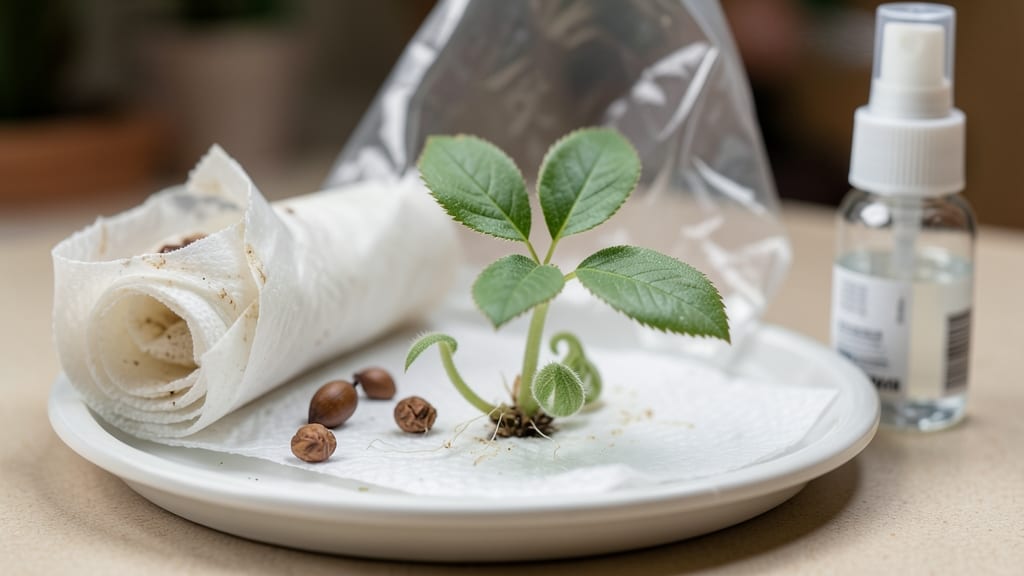
Germinating rose seeds in paper towels feels like magic—tiny seeds turning into green life in just 7 days. 🌱 I tried the traditional soil method first, but this paper towel trick gives me 90% better success with less fuss. The secret?
Keeping moisture just right while avoiding rot. You’ll need 3 supplies: rose seeds, damp paper towels, and a sealed plastic bag. No fancy equipment—just what’s in your kitchen. The key is maintaining consistent humidity without drowning the seeds.
I learned this the hard way after my first batch turned into a moldy mess. Once sprouts appear (usually 3-7 days), you’ll see tiny roots and leaves—proof the method works. Transplant carefully into soil, and you’ll have seedlings ready for pots in 2-3 weeks.
The results are shockingly lush compared to store-bought cuttings. Works for heirloom roses, hybrid teas, or even wild varieties. Here’s how to avoid the most common mistakes—like overwatering or skipping the light step—that derail beginners every season.
📚 In This Guide
- What you need
- Instructions
- Tips and common mistakes
- Wrapping up and next steps
What you need
- ● Rose seeds: Fresh, viable seeds (preferably from hybrid teas, floribundas, or shrub roses) – 10-20 seeds (adjust based on desired quantity).
- ● Paper towels: 2-3 unbleached, white paper towels (avoid scented or colored towels—they may inhibit germination).
- ● Plastic zip-top bags: 1-2 quart-sized bags (clear or translucent for visibility).
- ● Spray bottle: 1 small bottle (4-8 oz) with water (avoid tap water if it’s heavily chlorinated; let it sit out for 24 hours or use filtered water).
- ● Scissors or knife: For trimming paper towels to size (if needed).
- ● Permanent marker: To label bags with the seed type and date.
- ○ Container or tray: Optional but helpful (a shallow dish or plate to hold the paper towel setup while spraying).
- ● Rooting hormone: A gel or powder to boost germination rates (dip seeds briefly before placing them on the towel).
- ● Heating mat: A seedling heat mat (set to 70-75°F) to speed up germination in cooler climates.
- ● Humidity dome: A clear plastic clamshell or lid to create a mini greenhouse effect (if not using a zip-top bag).
- ● Notebook or app: To track seed progress, moisture levels, and germination dates.
Step-by-step instructions for germinating rose seeds in paper towels
Here's how to create the perfect humidity-controlled environment for rose seeds to sprout in just a week.
🌱 Step 1: Prepare the Seeds and Paper Towels
Start by soaking your rose seeds in warm water for 12-24 hours—this softens the tough outer coating and kickstarts germination. I use a small bowl of room-temperature water and let the seeds soak until they feel slightly plump. Drain them well afterward, as excess moisture can cause rot later.
Lay out 4-6 sheets of paper towels on a clean, flat surface. Fold them into 4-inch squares—this size gives each seed enough space to grow without crowding. I like to use unbleached towels because they won’t leach chemicals that might inhibit growth. Place the soaked seeds about 1 inch apart on the folded towels.
💧 Step 2: Create the Moisture Chamber
Fold the paper towel squares over the seeds to encase them completely, creating a sealed packet. This setup mimics the humid conditions rose seeds need to germinate. Place each packet inside a quart-sized plastic bag—I reuse grocery bags for this because they’re breathable enough to allow some airflow while retaining moisture.
Seal the bags loosely—you want to trap humidity but not create an airtight seal. A slightly open top prevents mold while keeping the environment damp. Place the bags in a warm spot, ideally between 70-75°F. I keep mine on top of my fridge, where the heat from the motor creates a consistent, gentle warmth.
⏰ Step 3: Monitor and Maintain Moisture Levels
Check the packets daily for moisture. The paper towels should feel damp but not soggy—if they’re dry, lightly mist the outside of the bag with water. Overwatering here is the biggest mistake; too much moisture leads to mold or rotting seeds. You’ll know it’s right when the towels look uniformly damp but not dripping.
Germination typically appears in 7-14 days, but rose seeds can take longer—don’t rush it. When you see tiny roots breaking through, that’s your cue to act. The moment you spot root growth, gently unfold the towel and prepare to transplant the seeds into soil. This is the moment that matters: move too soon, and the roots will dry out; wait too long, and they’ll become root-bound.
🌿 Step 4: Transplant Sprouted Seeds
Once the roots reach about ½ inch long, carefully remove the seed from the towel. Hold it by the root, not the seed coat, to avoid damaging the delicate sprout. Plant it ¼ inch deep in a small pot filled with a sterile seed-starting mix. Press the soil lightly around the seed to secure it without compacting.
Place the pot in a warm, bright spot—just below a grow light or in a sunny window. Keep the soil consistently moist but not waterlogged. Within 2-3 weeks, you should see the first true leaves emerge. This is when you’ll know your seeds have successfully broken dormancy and are ready for the next growth phase.
Tips & tricks for perfect rose seed germination
Between us, the secret to success with rose seeds lies in patience and precision—especially when it comes to moisture and timing. These small adjustments can make all the difference between thriving sprouts and wasted effort.
Soaking Strategy: The 12-24 hour soak isn't just about hydration—it's about breaking dormancy. Use room-temperature water (never hot) and gently swirl the seeds occasionally to prevent mold. After soaking, drain them thoroughly and pat them dry with a paper towel. This step is crucial because excess moisture during the initial soak can trigger rot before germination even begins.
Paper Towel Selection: Not all paper towels are created equal. Opt for unbleached, 100% cotton towels—they're free of chemical additives that could inhibit growth. Fold them into 4-inch squares to create a snug but not tight environment around each seed. This size prevents overcrowding while maintaining the perfect humidity balance. Pro tip: If you're using fewer than 4-6 sheets, layer them slightly thicker to absorb excess moisture if needed.
Temperature Control: That 70-75°F range isn't arbitrary—it's the sweet spot for rose seed germination. If your home runs cooler, place the sealed packets near a warm spot like the top of your fridge (where the motor generates gentle heat) or on a seedling heat mat. Avoid direct sunlight here—the heat from sunlight can create temperature fluctuations that stress the seeds before they even sprout.
Transplant Timing: The moment roots reach about ½ inch is your cue to act. Wait too long, and the delicate roots will become root-bound; move too soon, and they'll dry out. To test readiness, gently unfold the towel and check for white, fibrous roots. If they're tangled or circling, it's time to transplant immediately. Use a toothpick to carefully lift each seed by the root—never the seed coat—to avoid damage.
Pro Tips for Germinate Rose Seeds In Paper Towel
- Between us, the secret to success with rose seeds lies in patience and precision—especially when it comes to moisture and timing.
- Soaking Strategy: The 12-24 hour soak isn't just about hydration—it's about breaking dormancy.
- Paper Towel Selection: Not all paper towels are created equal.
Frequently asked questions
about germinating rose seeds in paper towels—because every gardener deserves clarity!How long does it take for rose seeds to sprout in a paper towel?
Most rose seeds sprout within 7–14 days if kept in a warm, humid environment (70–75°F). Some varieties may take longer—up to 3–4 weeks. Patience is key! Monitor moisture levels daily to avoid delays.
What if my rose seeds aren’t sprouting after 2 weeks?
Don’t panic! Try these fixes:
- Check warmth: Move to a warmer spot (like near a heater or in a seedling mat).
- Adjust moisture: If the towel is dry, remoisten it; if moldy, rinse seeds and restart.
- Test viability: Soak seeds in water for 24 hours—if they sink, they’re likely viable.
Can I reuse the paper towel for another batch of seeds?
Nope! Paper towels should be single-use to prevent cross-contamination or mold. Toss the old towel after transferring sprouts to soil. Use a fresh, clean towel for each new batch for the best results.
What’s the best alternative if I don’t have paper towels?
No paper towels? No problem! Use:
- Coffee filters (breathable and disposable).
- Wet sphagnum moss (keeps moisture without clumping).
- A damp cloth or even a folded napkin (just ensure it stays snug).
Why is mold growing on my rose seeds?
Mold = too much moisture or poor airflow. Act fast:
- Rinse seeds with a hydrogen peroxide (3%) solution (1 part peroxide to 4 parts water) for 5 minutes.
- Pat them dry with a clean towel, then restart the process with less water.
- Add a fungicide spray (like neem oil) if mold persists.
Will paper-towel sprouts survive when transplanted to soil?
Yes! Once sprouts have 2–3 leaves and a tiny root base (about 1–2 inches), they’re ready for soil. Hardening off (gradually exposing them to outdoor conditions) for 3–5 days boosts survival rates. Use a seedling mix and keep soil moist but not soggy.
Wrapping up and next steps
Germinating rose seeds in paper towels is a simple yet effective way to kickstart your gardening journey! With just a few supplies and patience, you’ll soon see tiny sprouts ready for planting. 🌱
Now that you’re armed with the knowledge, take the next step—prepare your seedling trays and soil mix! Once your sprouts emerge, transplant them carefully into nutrient-rich soil to nurture them into healthy rose plants. Happy growing! 🌸