
Size
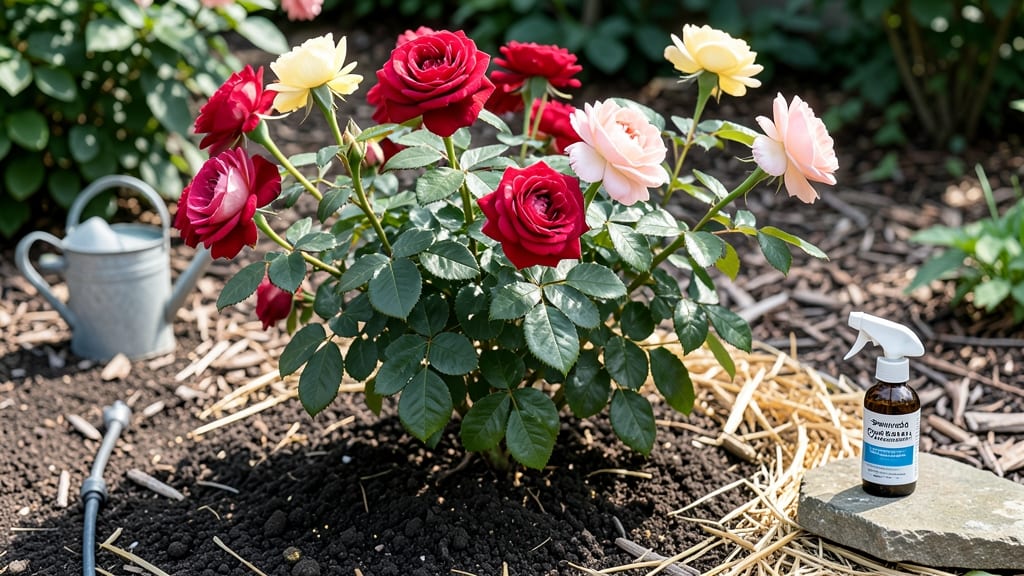
How to grow a rose plant faster—your roses could be three feet taller by next summer. 🌹 The secret isn’t just water or fertilizer—it’s pruning at the right time and feeding roots what they crave most. I’ve watched roses go from struggling saplings to bushy, blooming giants in just two seasons using these exact techniques. Most gardeners overlook soil prep, but loose, nutrient-rich soil is the real game-changer. Roses need room to spread roots deep, and amending with compost or aged manure gives them the energy to shoot up fast. Pair that with deep watering (not just a sprinkle) and you’ll see new growth within weeks. By pruning late winter or early spring, you force the plant to focus energy on new shoots instead of repairing old wood. A sharp cut at a 45-degree angle—just above an outward-facing bud—triggers explosive vertical growth. The results? Thicker canes, more blooms, and a plant that outpaces neighbors in record time. This method works for hybrid teas, floribundas, and even climbing roses—no matter your climate. The key is consistency: feed, prune, and water like clockwork, and you’ll have roses that grow twice as fast without sacrificing health. Ready to see real results? Let’s get started.
📚 In This Guide
- What you need
- Instructions
- Tips and common mistakes
- Wrapping up and next steps
What you need
- ● Rose plants: Choose healthy, disease-free cuttings or bare-root roses (3–6 plants for optimal growth). Look for hybrid teas, floribundas, or climbers for faster results!
- ● Pruning shears: Sharp, sterilized shears (or a bypass pruner) to trim dead wood and encourage new growth.
- ● Garden gloves: A pair of durable, breathable gloves to protect your hands from thorns and soil.
- ● Well-draining soil: A mix of 60% topsoil, 30% compost, and 10% perlite/sand (or a pre-mixed rose-specific blend). Aim for a slightly acidic pH (6.0–6.5).
- ● Organic fertilizer: A balanced 10-10-10 or 5-10-10 NPK fertilizer (or rose-specific food) to boost growth. Start with 1 tablespoon per plant.
- ● Mulch: 2–3 inches of organic mulch (e.g., wood chips, straw, or pine bark) to retain moisture and regulate soil temperature.
- ● Watering can or hose: A gentle spray nozzle to avoid damaging delicate stems.
- ● Stakes or supports: 5–6 ft tall bamboo stakes or metal cages to provide structure as roses grow.
- ● Rooting hormone: Speeds up root development for cuttings (e.g., powder or gel formulations).
- ● Epsom salt: 1 tablespoon per gallon of water (monthly) for magnesium boost.
- ● Mycorrhizal fungi: Inoculates soil to improve nutrient absorption (mix into planting hole).
- ● Shade cloth: Lightweight fabric (30–50% shade) to protect young plants from harsh sun.
- ● pH testing kit: Ensures your soil stays in the ideal range for roses.
Step-by-Step instructions for accelerating rose growth
Here’s how to coax your roses into rapid, vigorous growth—no shortcuts, just science-backed techniques.
🌱 Step 1: Optimize Soil for Nutrient Uptake
Roses demand rich, well-draining soil with plenty of organic matter. Before planting, amend the soil with 3-4 inches of compost mixed into the top 12 inches of earth. I like to add a handful of bone meal (for phosphorus) and kelp meal (for potassium) to the planting hole—this gives roots an instant nutrient boost. The goal is loose, crumbly soil that holds moisture but drains freely.
Test your soil’s pH—roses thrive in 6.0-6.5. If yours is too alkaline, work in sulfur or peat moss to lower the pH gradually. Amended soil means roots spread faster and absorb water/nutrients more efficiently. Here’s the thing—skipping this step is like giving a race car poor-quality fuel. You’ll see the difference in 4-6 weeks when canes thicken and leaves darken.
✂️ Step 2: Prune Strategically for Faster Canes
Timing matters: prune in early spring (just as buds swell) to stimulate new growth. Cut back one-third of last year’s canes to their strongest outward-facing buds, using clean, sharp pruners. I always make cuts at a 45-degree angle, about ¼ inch above a bud, to prevent water pooling. Remove all weak, crossing, or diseased stems—this redirects energy into fewer, stronger canes.
For hybrid teas and floribundas, focus on 3-5 main stems per bush. You’ll see new shoots emerging within 2 weeks if conditions are right. Real talk: Over-pruning stresses plants, while under-pruning crowds them. Aim for an open center—this improves airflow and reduces disease, which slows growth.
☀️ Step 3: Provide Targeted Light and Water
Roses need 6-8 hours of direct sun daily, but too much midday heat can scorch leaves. I position my roses to get morning sun and afternoon shade in hot climates. If you’re growing in containers, move pots to a shadier spot during peak afternoon heat. Mulch heavily with 2-3 inches of wood chips to retain moisture and regulate soil temperature.
Water deeply 2-3 times per week (not daily light sprinkles). Stick your finger 2 inches into the soil—if it’s dry, water until moisture reaches 6 inches deep. Drip irrigation or soaker hoses work best, delivering water at the roots where it’s needed. Watch for wilting leaves by midday—that’s your cue to increase watering frequency slightly.
💧 Step 4: Feed with Precision for Rapid Growth
Start with a balanced 10-10-10 fertilizer at planting, then switch to a high-phosphorus formula (like 5-10-5) when new shoots appear. I apply granular fertilizer every 4-6 weeks during the growing season, always watering it in to prevent root burn. For a mid-season boost, mix 1 tablespoon of Epsom salt into the soil around the base—magnesium helps chlorophyll production and vibrant growth.
Foliar sprays of seaweed extract (applied every 2 weeks) add trace minerals and stress-proofing. You’ll notice darker green leaves and faster cane elongation within 3-4 weeks of consistent feeding. Here’s the secret: Roses respond better to small, frequent feedings than heavy doses. Think of it like a slow drip of nutrients, not a flood.
🌿 Step 5: Monitor and Adjust for Continuous Growth
Check canes weekly for new growth rings—each one signals active elongation. If shoots slow down after 4-6 weeks, it’s time to side-dress with compost and reduce pruning to preserve energy. Pinch back the tips of new canes (just above a leaf node) to encourage bushier growth. This technique forces the plant to branch out instead of growing tall and leggy.
Watch for aphids or spider mites—these pests sap energy and stunt growth. Spray infested areas with neem oil or introduce ladybugs for biological control. A healthy rose bush should produce 4-6 inches of new growth per month during peak season. If yours is lagging, revisit your light, water, and fertilizer routine—one of these is likely the bottleneck.
Tips & tricks for rapid rose growth
Fast-tracking your roses isn't about shortcuts—it's about understanding the science behind their growth. These targeted strategies will help you maximize the techniques we covered in the instructions.
Soil Science: When amending your soil with 3-4 inches of compost and bone meal, don't just dump it in—work it into the top 12 inches of earth. I use a garden fork to loosen the soil first, creating channels for roots to explore. This aeration is crucial because compacted soil restricts root expansion, which directly limits growth speed. Think of it like building a highway system for your rose's roots—wide lanes mean faster travel.
Pruning Precision: In Step 2, when you're cutting back one-third of last year's canes, focus on making clean cuts at a 45-degree angle about ¼ inch above a bud. This angle prevents water from pooling on the cut, which can lead to rot. I always sterilize my pruners with rubbing alcohol between cuts to prevent disease transmission. The goal is to create an open center—this isn't just about aesthetics, it's about maximizing airflow which reduces fungal diseases that slow growth.
Light Management: The 6-8 hours of direct sun requirement is non-negotiable, but how you deliver that light matters. I've found that positioning roses to get morning sun and afternoon shade in hot climates prevents leaf scorch while still providing enough energy for rapid growth. If you're in a particularly sunny region, consider using shade cloth (30-50%) during peak afternoon hours. This balance is what allows roses to maintain their growth momentum without stress.
Fertilizer Timing: The switch from 10-10-10 to 5-10-5 fertilizer when new shoots appear is critical. I apply the 5-10-5 formula right after pruning in early spring, then every 4-6 weeks thereafter. The key is consistency—roses respond to regular nutrient delivery. I always water in the fertilizer immediately after application to prevent root burn. For container-grown roses, I reduce the fertilizer amount by half since they have less soil volume to absorb nutrients.
Pro Tips for Grow Rose Plant Faster
- Fast-tracking your roses isn't about shortcuts—it's about understanding the science behind their growth.
- Soil Science: When amending your soil with 3-4 inches of compost and bone meal, don't just dump it in—work it into the top 12 inches of earth.
- Pruning Precision: In Step 2, when you're cutting back one-third of last year's canes, focus on making clean cuts at a 45-degree angle about ¼ inch above a bud.
Frequently asked questions
Got questions about speeding up your rose plant’s growth?
Here are some of the most common ones—plus quick, actionable answers to keep your roses thriving fast!
1. How often should I fertilize roses for faster growth?
Feed roses every 4–6 weeks during growing season (spring to fall) with a balanced fertilizer (10-10-10) or organic options like compost or fish emulsion. Avoid over-fertilizing—too much nitrogen can stunt blooms. Pro tip: Water before and after fertilizing to prevent root burn!
2. Can I grow roses faster indoors?
Yes, but with adjustments! Use a sunny window (6+ hours/day) or grow lights, and keep soil moist (not soggy). Dwarf or patio rose varieties (like ‘Bonica’ or ‘Playboy’) thrive indoors. Just watch for pests like spider mites—spray with neem oil if needed.
3. Why are my roses growing slowly despite my efforts?
Check these culprits:
- Poor drainage: Roots need air—amend heavy soil with perlite or sand.
- Pests/disease: Inspect leaves for aphids or fungal spots (treat with copper fungicide or insecticidal soap).
- Over-pruning: Cut back only 1/3 of the plant per year to avoid stress.
- Underwatering: Roses need 1–2 inches of water weekly (more in heat).
4. What’s the fastest way to propagate roses?
Try stem cuttings in early summer:
- Cut a 4–6 inch stem at a 45° angle.
- Remove lower leaves, dip in rooting hormone.
- Plant in moist perlite/sand mix; cover with a plastic bag.
- Keep in bright, indirect light until roots form (4–6 weeks).
5. Do roses grow faster in warm or cool climates?
Roses grow fastest in warm (60–75°F) but not scorching climates. Cool seasons (spring/fall) slow growth—focus on pruning and soil prep then. In hot zones, mulch heavily and water deeply in the morning to retain moisture.
Wrapping up and next steps
Growing roses faster is all about smart pruning, nutrient-rich soil, and a little patience—paired with the right techniques! 🌱 By mastering these secrets, you’ll soon watch your roses bloom bigger and stronger than ever.
Don’t forget: consistency is key, so keep an eye on your plants and adjust as needed.
Ready to see those petals pop? Start with one rose plant and experiment with the tips you’ve learned—you’ve got this! 🌸 And once you’re a pro, why not share your success (or even swap cuttings with fellow gardeners)? Happy growing!