
Lawn
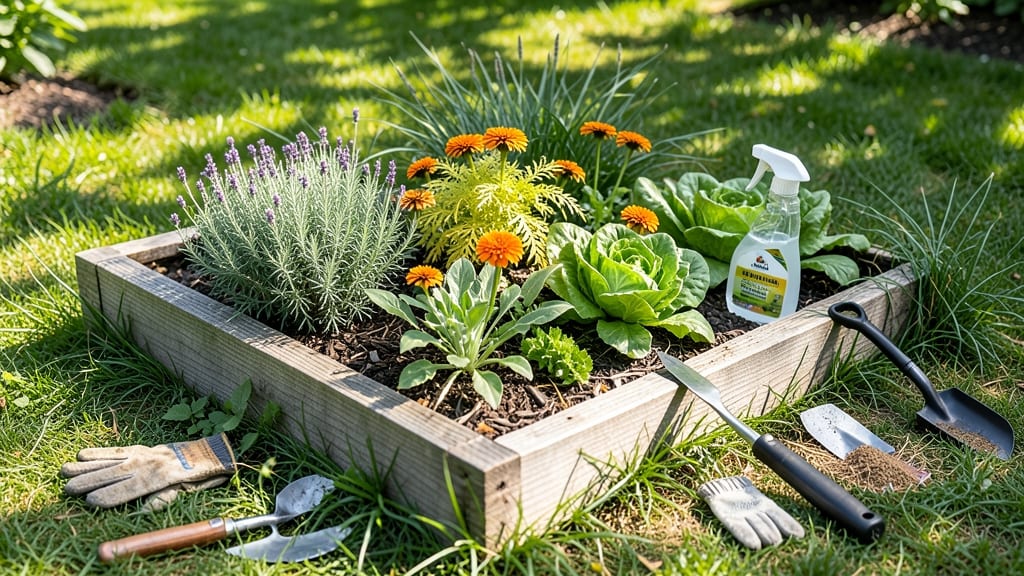
Tired of how to get grass out of garden beds?
I’ve wrestled with stubborn lawn intruders for years—until I discovered this vinegar-salt combo that kills grass roots in hours, not weeks. 🌱 No digging, no backbreaking work, just a simple spray that leaves your soil ready for vegetables or flowers.
The secret lies in the chemistry: vinegar’s acidity breaks down grass cell walls while salt dehydrates the roots, making them crumble. You’ll need white vinegar, salt, dish soap, and a spray bottle—tools you likely already have.
Even stubborn Bermuda grass won’t stand a chance with this method, and it’s safer for your garden than harsh chemicals.
Within 24 hours, the grass turns brown and brittle, ready to rake away. What’s left is clean soil, perfect for planting. The best part? This solution works on any grass type, from creeping Charlie to crabgrass, and won’t harm your future garden if used correctly.
Fair warning: timing matters—apply on a sunny, wind-free day for best results. And if you’re worried about nearby plants, test a small patch first. Once you see how quickly this works, you’ll never dig grass out by hand again.
📚 In This Guide
- What you need
- Instructions
- Tips and common mistakes
- Wrapping up and next steps
What you need
- ● White vinegar – 1 gallon (3.8 liters) (5% to 20% acetic acid for best results)
- ● Table salt – 2 cups (16 oz/454g) (non-iodized for purity)
- ● Spray bottle or garden sprayer – 16-32 oz (0.5-1L) capacity (with a fine mist nozzle)
- ● Gloves – 1 pair (nitrile or rubber, for protection)
- ● Garden trowel or hand fork – 1 (for scraping out dead grass roots)
- ● Watering can or hose – 1 (for rinsing, if needed)
- ○ Plastic sheeting or cardboard – Optional, 1-2 sheets (to cover nearby plants if concerned about overspray)
- ● Dish soap – 1 tbsp (15mL) (helps the solution stick to grass blades)
- ● Corn gluten meal – 1 lb (0.45kg) (pre-emergent herbicide to prevent regrowth)
- ○ Mulch or landscape fabric – Optional (to smother remaining grass long-term)
- ● Sunny day forecast – Check the weather! (apply on a dry, sunny day for max effectiveness)
Step-by-step instructions for removing grass from garden beds
Here’s the method I’ve used to clear stubborn grass in hours—no digging, no backbreaking work.
🌱 Step 1: Choose the Right Day for Treatment
Pick a sunny, dry day with temperatures between 65-85°F—this ensures the solution works fastest. Avoid treating right after rain, as moisture dilutes the solution’s effectiveness. Early morning is ideal because the sun will help evaporate any residual moisture, maximizing the burn.
Clear the area of any rocks, sticks, or debris that might shield grass from the solution. I like to sweep with a stiff brush to expose all grass blades—even hidden ones. This step is critical because grass growing in shaded spots or under mulch won’t absorb the solution properly.
💧 Step 2: Mix the Vinegar-Salt Solution
Combine 1 gallon of white vinegar (5% acetic acid) with 2 cups of coarse salt in a large spray bottle or pump sprayer. The salt acts as a desiccant, drawing moisture out of the grass while the vinegar kills the plant cells. Shake well before use—vinegar and salt don’t mix naturally, so you’ll need to stir occasionally as you spray.
For larger areas, scale up proportionally: 2 gallons vinegar + 4 cups salt covers about 100 square feet. Test the solution on a small, inconspicuous patch first—some plants or mulch may react unpredictably. If you see any discoloration, rinse immediately with water.
☀️ Step 3: Apply the Solution Evenly and Thoroughly
Spray the mixture directly onto the grass blades until they’re thoroughly wet but not dripping. Focus on the crown of the grass (where the blades meet the soil)—this is the most vulnerable part. I like to work in 2-foot sections, spraying in overlapping strokes to ensure full coverage. Avoid spraying nearby plants, as vinegar can harm them too.
Let the solution sit for 4-6 hours under direct sunlight. You’ll notice the grass turning yellow or brown within 1-2 hours, but full death takes time. If rain is forecast within 24 hours, reapply the solution after it passes—moisture will wash away the treatment.
✂️ Step 4: Remove the Dead Grass
After 24 hours, the grass should be soft and easy to pull. Use a garden fork or hand trowel to loosen the roots—this prevents regrowth. Work in small sections, lifting the grass in chunks rather than pulling individual blades. For stubborn patches, soak with water first to soften the soil.
Discard the grass in yard waste or compost (if it hasn’t been treated with herbicides). Don’t leave dead grass lying around—it can decompose and leave behind seeds that sprout new grass. I like to cover the bare soil immediately with 2-3 inches of cardboard or newspaper, then top with 3-4 inches of mulch to suppress any remaining grass seeds.
🌿 Step 5: Prevent Regrowth for Good
Lay down cardboard or thick layers of newspaper over the cleared area to block light—grass needs sunlight to germinate. Secure it with landscape fabric or mulch to keep it in place. For long-term prevention, I add a 1-inch layer of wood chips or straw mulch on top. This smothers any lingering grass seeds while improving soil health.
If you’re planting new garden beds, wait 1-2 weeks after clearing to let the soil settle. The vinegar-salt method doesn’t harm the soil, but it’s best to give it time to recover before adding plants. Water lightly after planting to help roots establish in the fresh soil.
Tips & tricks for perfect grass removal from garden beds
This method works faster than you'd think—here's how to make it even more effective.
Timing Secret: The 24-hour yellowing you'll see after application is your first success signal, but don't rush the full 3-5 days before removal. Grass roots need complete dehydration to die—if you pull too soon, you might miss some stubborn rhizomes. I've learned this the hard way after seeing grass regrow from half-dead roots!
Solution Strength: For thick, established grass patches, you can safely double the salt to 2 cups while keeping the same 1 gallon of vinegar. The extra salt creates a more concentrated dehydrating effect on those deep rhizomes. Just remember to test on a small area first—some plants might be more sensitive to the higher concentration.
Weather Watch: Humidity is your enemy here. If you're working in high humidity (above 60%), consider adding an extra tablespoon of dish soap to help the solution cling better. The mixture needs to stay on the grass long enough to penetrate those roots. I've found that morning applications work best because the sun has time to evaporate any excess moisture that might dilute the solution.
Follow-Up Strategy: After your initial treatment, mark any areas where grass was particularly stubborn with small flags or stones. These spots often need a second application in 3-5 days. I keep a small spray bottle of the solution handy for quick touch-ups—it's saved me countless hours of rework when new shoots appear.
Pro Tips for Get Grass Out Of Garden Beds
- This method works faster than you'd think—here's how to make it even more effective.
- Timing Secret: The 24-hour yellowing you'll see after application is your first success signal, but don't rush the full 3-5 days before removal.
- Solution Strength: For thick, established grass patches, you can safely double the salt to 2 cups while keeping the same 1 gallon of vinegar.
Frequently asked questions
Got questions about removing grass from your garden beds?
You’re not alone! Here are answers to the most common concerns—so you can tackle this project with confidence and ease.
How long does it take for vinegar to kill grass?
With a vinegar-salt solution, you’ll see results in just 24–48 hours—though full decomposition may take a few weeks. Reapply if stubborn patches remain. For best results, choose a sunny day to maximize effectiveness.
Can I remove grass in the winter?
Winter is a great time to eliminate grass—it’s dormant, so the solution works faster with less risk to nearby plants. However, avoid freezing temps (<32°F/0°C), as cold can reduce effectiveness. Spring or fall are ideal for active regrowth prevention.
Will vinegar hurt my garden plants?
Yes, vinegar is non-selective, so protect your garden beds with cardboard or plastic around plants. For extra safety, use a spray shield (like a piece of wood) to block drift. Always test a small area first!
What if grass keeps growing back?
Persistent grass? You likely missed grass roots or seeds. Dig deeper (3–4 inches) to remove roots, then apply corn gluten meal (a natural pre-emergent) to block new sprouts. Reapply vinegar solution every 2–3 weeks if needed.
Is vinegar cheaper than store-bought grass killers?
Absolutely!
A DIY vinegar-salt mix costs pennies per gallon vs. $20–$50 for commercial herbicides. Plus, it’s eco-friendly and safer for pets/kids. Just stock up on white vinegar (20–30% acidity) for the best bang for your buck.
Still stumped? Drop your question in the comments—we’ve got you covered!
Wrapping up and next steps
Removing grass from your garden beds doesn’t have to be a daunting task—with the right tools and a little elbow grease, you can transform your space into a thriving, weed-free haven! 🌱 The vinegar-salt solution
Ready to take the next step? Start small—pick a section of your garden bed and test the method. Once you see those stubborn grass clumps disappear, you’ll be motivated to tackle the rest. Happy gardening! 🌿