
How To
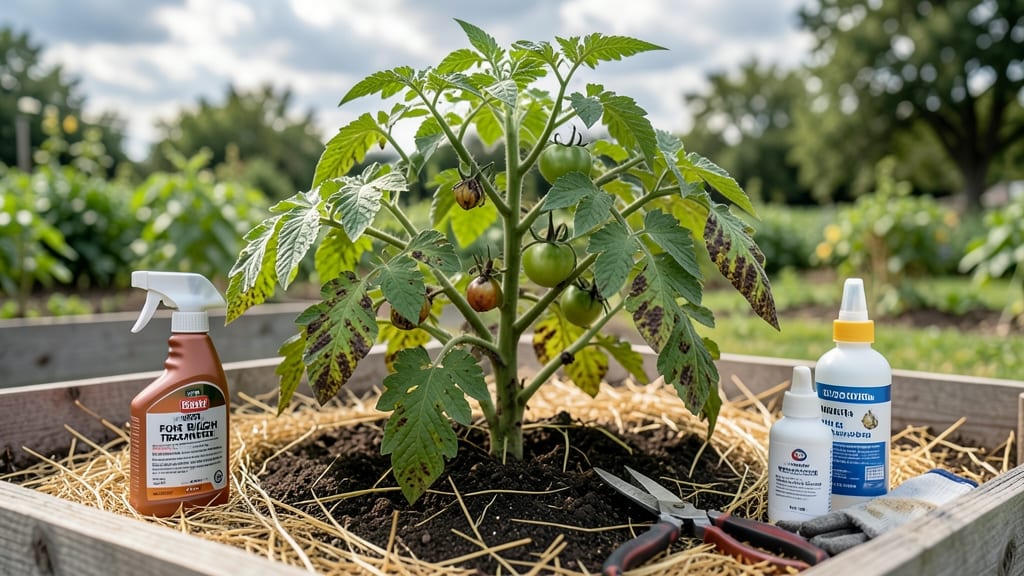
How to get rid of blight on plants before it ruins your harvest—there’s no time to waste. 🌱 I've seen entire tomato plants collapse in days from late blight's dark, greasy spots—but there's a foolproof boiling water barrier that smothers spores before they spread. The key is acting fast and cutting off the disease at its source.
This method works because blight spores hate heat and moisture—exactly what boiling water delivers. You'll need a kettle, a long spoon, and 5 minutes of focused action to create a protective barrier around healthy plants. The technique stops new infections cold while you remove already infected foliage.
By following these steps, you'll save your tomatoes, peppers, and potatoes from the greasy black spots that signal blight. The plants recover faster than you'd expect, and with proper cleanup, you can prevent recurrence next season.
Works for both early and late blight, and the same principle applies to fungal issues like powdery mildew. Let's get those plants healthy again—before the spores win.
Root Causes of Plant Blight
Blight isn’t just a random plant villain—it’s a sneaky, science-backed problem with specific triggers. Understanding these causes is the first step to stopping it in its tracks. Below, we break down the real culprits behind blight outbreaks, from fungal invaders to environmental red flags.
Blight is primarily caused by fungal spores that thrive in damp, warm conditions.
The two most notorious offenders are: - Late blight (Phytophthora infestans): The infamous potato and tomato destroyer, spreading like wildfire in humid climates. - Early blight (Alternaria solani): A slower but persistent foe that targets lower leaves, creating concentric brown spots.
How it works: Spores land on leaves, stems, or fruit, germinate in moisture, and release enzymes that break down plant cell walls. Within days, you’ll see:
- Oily, greasy-looking lesions (late blight).
- Crinkled, papery brown patches (early blight).
- White mold on undersides of leaves (a dead giveaway for fungal growth).
Pro tip 💡: Fungal spores can survive winters in soil, plant debris, or even infected seeds—so rotation and cleanup are non-negotiable.
Fungi need water to spread—think of it like a fungal spa day.
Here’s how moisture fuels blight: - Overhead watering: Splashes spores from soil onto leaves, creating a perfect infection highway. - Poor drainage: Soggy soil keeps spores alive and encourages root rot, weakening plants. - High humidity (70%+): Spores germinate within 4–6 hours of landing on wet leaves.
The science: Fungal spores release zoospores (tiny swimming cells) in water, which then infect plant tissues. Even dew or morning fog can trigger outbreaks if conditions stay damp for >12 hours.
Pro tip 🌡️: Morning watering is safer—leaves dry by evening, reducing fungal growth overnight.
Blight fungi have a comfort zone:
- Optimal temps: 60–80°F (15–27°C)—warm but not scorching.
- Cool nights + warm days: Creates condensation, extending leaf wetness.
- Sudden temperature drops: Weakens plants, making them more susceptible to infection.
Why it matters: Cooler seasons (like early spring or fall) can prolong leaf wetness, giving spores extra time to colonize.
Pro tip 🎯: Space plants for airflow—crowding traps humidity and turns your garden into a fungal sauna.
Stressed plants are blight magnets. Common stressors include:
- Nutrient deficiencies (especially potassium or nitrogen).
- Physical damage (hail, pests, or rough handling).
- Root issues (compacted soil, poor drainage, or girdling roots).
- Over-fertilization (too much nitrogen = soft, spongy growth fungi love).
The science: Healthy plants have thicker cuticles and stronger defenses. When they’re weak, fungal enzymes easily penetrate tissues, leading to rapid spread.
Pro tip ✨: Test your soil—imbalanced pH (too acidic/alkaline) can also invite fungal friends.
- Dirty pruners or gloves: Can transfer spores from infected to healthy plants.
- Infested compost or mulch: Old plant debris is a spore hotel for years.
- Wind or water spread: Spores hitch rides on breezes or irrigation streams.
The risk: Even one infected plant in your garden can contaminate the whole batch in weeks.
Pro tip 🔥: Sterilize tools with 70% alcohol or a bleach solution (1:10 ratio) between uses.
How to Fix It Quickly
Blight doesn’t stand a chance when you act fast and use the right strategies. Whether it’s fungal spores lurking in your soil or early signs of wilting leaves, these targeted fixes will help you reclaim your garden—permanently.
Below, we’ve matched common causes of blight to easy, effective solutions, plus prevention tips to keep your plants thriving.
Fix: Boiling Water Barrier (The Ultimate Smothering Trick) Blight spores love damp, warm conditions. The fastest way to kill them on contact is with a boiling water barrier—a technique that’s been used for decades by organic gardeners.
- 🔥 Boil 1 gallon of water per 10 feet of garden bed.
- 👨🍳 Carefully pour it along the base of infected plants and surrounding soil (avoid direct contact with roots).
- ⏰ Repeat every 7–10 days until new growth appears (this disrupts spore cycles).
- 🌡️ For stubborn cases, add 1 tbsp of copper sulfate (follow label instructions) to the boiling water for extra fungal-fighting power.
💡 Pro Tip: Do this on a dry, wind-free day—spores spread fast when disturbed!
Fix: Prune & Isolate + Baking Soda Spray If you catch blight early, remove infected foliage immediately and give your plant a boost with a natural fungicide.
- 🔪 Snip off affected leaves (don’t compost them—throw them in the trash).
- 🌿 Spray remaining leaves with a mix of: - 1 tsp baking soda - 1 tbsp vegetable oil - 1 tsp dish soap - 1 gallon of water (Shake well before spraying.)
- 🌡️ Repeat every 5–7 days until new growth is healthy.
✨ Prevention Bonus: Space plants for good airflow—blight thrives in crowded, humid conditions.
Fix: Adjust Watering + Mulch Like a Pro Blight loves soggy soil. Fix drainage issues and control moisture to starve the fungus.
- 💧 Water deeply but less often—let the top 1–2 inches of soil dry out between waterings.
- 🌿 Add 2–3 inches of organic mulch (straw, wood chips) to retain moisture evenly and block spore splash.
- 🏞️ Consider raised beds if your garden has clay-heavy or compacted soil.
🎯 Long-Term Fix: Test your soil’s drainage—if water pools after 6+ hours, amend with perlite or compost.
Fix: Boost Plant Immunity Naturally Healthy plants fight off blight better. Give yours a nutrient boost and stress relief.
- 🍃 Feed with compost tea (rich in beneficial microbes).
- 💪 Use liquid seaweed fertilizer (1 tbsp per gallon of water) for stress resistance.
- 🌞 Ensure 6–8 hours of sunlight daily—weak, shaded plants are blight magnets.
🔥 Emergency Rescue: If a plant is severely infected, remove it entirely (bag and dispose) to prevent spread.
Once you’ve treated your plants, lock in success with these year-round habits:
- Rotate crops (don’t plant tomatoes, peppers, or potatoes in the same spot yearly).
- Plant resistant varieties (e.g., ‘Defiant PhR’ tomatoes for blight resistance).
- Clean tools with rubbing alcohol between uses.
- Avoid overhead watering—use drip irrigation instead.
Final Thought: Blight may be stubborn, but with boiling water barriers, smart pruning, and preventive care, you can outsmart it every time. Start with the fixes that match your garden’s issues, and soon, your plants will be back to their blight-free best! 🌱💪
Frequently asked questions
Can I save my tomato plants if I see just a few brown spots?
Yes, but act immediately! Those spots could be early signs of early blight. Prune affected leaves below the spot (don’t compost them—throw them away) and spray with a baking soda mix (1 tsp baking soda + 1 tbsp oil + 1 tsp soap per gallon of water). Repeat every 5-7 days and ensure good airflow between plants.
Is boiling water safe for my plants' roots?
No, never pour boiling water directly on roots or stems—it can scald them. The boiling water barrier method only targets the soil around the base (about 2-3 inches away from stems). For extra safety, use cooler water (160°F) if you're worried about heat damage to roots. Always test a small area first.
What's the difference between early and late blight?
Early blight shows as concentric brown rings on lower leaves and spreads slowly. Late blight creates greasy, dark spots that spread rapidly (even overnight) and can destroy plants in days. Late blight also affects stems and fruit, while early blight stays mostly on leaves. The key difference is speed—late blight is an emergency!
Will copper spray work on blight?
Yes, copper-based fungicides (like copper sulfate) are effective against blight when used preventively or at first signs. Mix 1 tbsp copper sulfate per gallon of water and spray leaves thoroughly. For best results, apply in the morning on dry leaves and repeat every 10-14 days. It works by disrupting fungal cell walls, but it's not a cure-all for advanced infections.
Can I use the same boiling water method for powdery mildew?
No, the boiling water barrier is specifically for soil-borne blight spores. Powdery mildew thrives on leaf surfaces and responds better to neem oil sprays or sulfur treatments. For mildew, focus on improving airflow, reducing humidity, and applying fungicides directly to affected leaves. The boiling water method could actually harm mildew-sensitive plants by shocking them.