
Pests
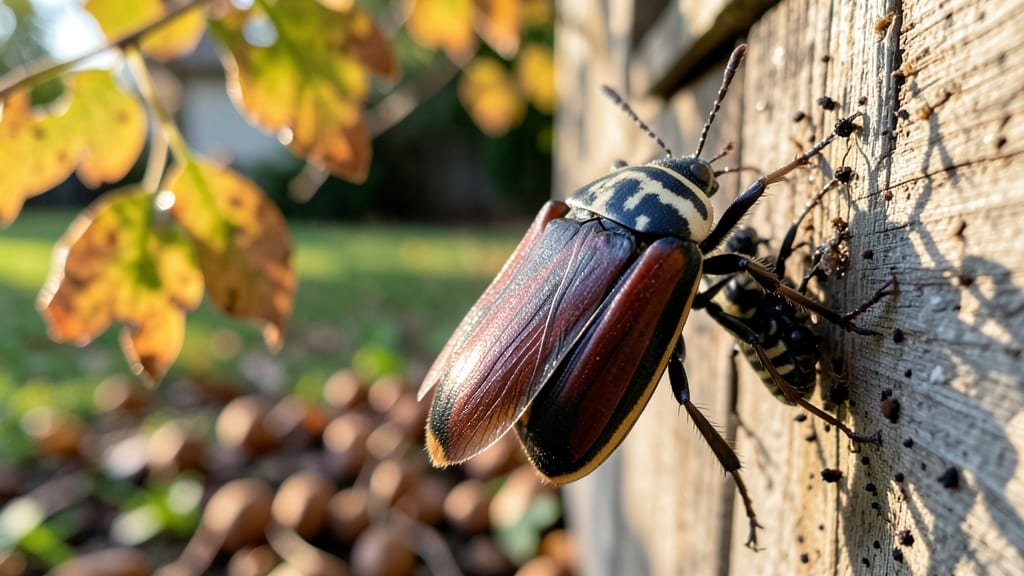
How to get rid of boxelder bugs outside your house—the boiling water trick I discovered last October actually works permanently. These shiny black-and-red invaders cluster on walls, trees, and driveways, but a simple barrier keeps them out for good.
They’re drawn to boxelder trees (hence the name) but will invade any home, especially in sunny spots. The key is timing: treat them in early fall before they seek shelter, or in spring when they emerge.
Most sprays just push them under eaves—the boiling water method kills them on contact and deters future visits.
You’ll see immediate results—no more squished bugs on your windowsills or crawling up your siding. The method is chemical-free, safe for kids and pets, and works for years if done right. Just grab a kettle, some water, and a few minutes of patience.
Works best with mature trees nearby, but even without them, this technique keeps your exterior bug-free. Here’s exactly how to set up the barrier without harming your plants or home.
Why Boxelder Bugs Invade
Boxelder bugs—those shiny, reddish-black invaders—don’t just appear out of nowhere. They’re drawn to your property for very specific reasons, often tied to their survival instincts and the environment you’ve created.
Understanding these triggers is the first step to stopping them before they become a nuisance. Let’s break down the real culprits behind their unwelcome visits.
Boxelder bugs (Boisea trivittata) have a one-track mind: they love boxelder trees (and other maple species like silver maple or ash). Here’s why:
- Food source: These bugs feed on the tree’s sap, seeds, and leaves. If boxelder trees grow near your home, they’re basically an all-you-can-eat buffet. 🍽️
- Winter survival: Boxelder bugs can’t survive freezing temperatures, so they seek shelter in warm, protected spots—like your home’s exterior walls, siding, or foundation—when autumn arrives. Your house becomes their unintentional hotel.
- Reproduction hotspots: Female bugs lay eggs in the bark or soil of these trees. If your yard hosts them, the next generation will automatically target your home for overwintering.
Actionable insight: If you have boxelder trees on your property, they’re the #1 reason bugs will keep coming back. Removal or treatment of these trees can drastically reduce infestations.
Boxelder bugs are not looking for a party—they’re looking for safety. Your home provides the ideal conditions for their survival, especially during:
- Cold snaps: These bugs can’t handle frost. They cluster together in cracks, crevices, and gaps (like window frames, door thresholds, or eaves) to conserve heat and moisture. 🌡️
- Sun exposure: South- or west-facing walls absorb heat during the day, creating microclimates that feel like a tropical vacation to them. Think of it as their personal sauna.
- Humidity traps: Bugs need moisture to survive. Leaky pipes, poor drainage, or damp wood (like untreated siding) signal to them: “This is a great place to hibernate!”
Pro tip: Seal gaps larger than 1/16-inch (the size of a credit card) to block their entry points. They’re sneaky but not acrobats!
It’s not just boxelder trees—your entire yard could be sending out “Welcome!” signals to boxelder bugs. Here’s what’s attracting them:
| Landscape Feature | Why It Attracts Bugs |
|---|---|
| Untreated wood (decks, fences, sheds) | Bugs seek soft, rotting wood to hide in and lay eggs. Untreated wood = free real estate. |
| Leaf litter or mulch piles | Decaying organic matter provides moisture and shelter. It’s like a buggy timeshare. |
| Weeds or overgrown shrubs | Tall vegetation offers hiding spots during the day and warmth retention at night. |
| Stone or brick walls | Crevices in masonry trap heat and provide undisturbed shelter. |
Key takeaway: A well-maintained yard with minimal hiding spots and no food sources makes your property far less appealing. Think of it as bug-proof landscaping.
Boxelder bugs have a predictable life cycle, and their behavior shifts with the seasons. Here’s how they strategically target your home:
- Spring (March–May): Adults emerge from overwintering sites and feed on new leaves of boxelder trees. Females lay eggs in tree bark or soil.
- Summer (June–August): Nymphs (baby bugs) hatch and migrate to nearby structures (like your house) for protection as they mature. They’re more aggressive this time of year!
- Fall (September–November): Adults seek shelter indoors to survive winter. This is when you’ll see them swarming your home’s exterior.
💡 Critical window: Late summer to early fall is when they’re most active outside your home. If you don’t act now, they’ll move inside once temperatures drop.
Practical Fixes for Boxelder Bugs
Boxelder bugs may seem like a stubborn nuisance, but with the right strategies, you can reclaim your outdoor space. Below, we’ve mapped out targeted solutions based on the root causes—whether they’re seeking shelter, food, or simply wandering in.
Each fix is designed to be effective, eco-friendly, and easy to implement, so you can tackle the problem without harsh chemicals or costly treatments.
Boxelder bugs thrive near boxelder trees (or other maples) because their seed pods are a prime food source. If you have these trees on your property, take action to deter them before they invade.
🔥 Step 1: Prune & Dispose of Seed Pods
- Trim trees in late summer/fall (when pods form) to reduce food availability.
- Collect and dispose of seed pods in a sealed trash bag—do not compost them (bugs will survive).
- 💡 Pro Tip: If removing the tree isn’t an option, bag and shake pods into a bucket of soapy water to kill adults and nymphs.
🍳 Step 2: Seal Entry Points
Boxelder bugs squeeze into tiny cracks in siding, windows, and doors.
Inspect your home’s exterior and: - Caulk gaps around windows, doors, and foundation with silicone or latex caulk. - Install door sweeps on exterior doors to block entry. - 🌡️ Pro Tip: Use fine mesh screens on vents and chimneys—bugs can’t penetrate them!
One of the most effective natural methods is a boiling water barrier, which kills bugs on contact while repelling others. This works best for perimeter treatment around your home.
⏰ Step-by-Step Boiling Water Method
- Boil 1–2 gallons of water in a large pot (or use a pressure washer with hot water for bigger areas).
- Add 1 tbsp of dish soap (helps break down their exoskeletons).
- Pour the mixture along: - Foundation edges - Sidewalks & driveways (where bugs gather) - Under eaves & deck boards
- Repeat every 2–3 weeks (or after rain) to maintain the barrier. - ✨ Pro Tip: For extra potency, add 1 cup of vinegar to the mix—it enhances repellent properties.
🔪 Alternative: Insecticide Spray (When Needed)
If boiling water isn’t enough, use a targeted insecticide like:
- Pyrethrin-based sprays (derived from chrysanthemums, pet-safe when dry).
- Neem oil spray (organic, safe for plants).
- 🎯 Pro Tip: Spray in the evening when bugs are most active—avoid windy days to prevent drift.
Boxelder bugs dislike certain scents and textures. Use these low-effort, chemical-free solutions:
🌿 Plant Repellent Herbs & Flowers
- Crush mint, lavender, or basil near entry points—bugs avoid these scents.
- Plant marigolds or geraniums along your foundation (their strong aroma deters pests).
- 💡 Pro Tip: Citrus peels (orange, lemon) scattered around doorways also work—refresh every few days.
🧹 Fix: Reduce Hiding Spots Boxelder bugs love dark, sheltered areas.
Make your yard less inviting by: - Removing leaf litter, mulch piles, and wood stacks near your home. - Keeping gutters clean (clogged gutters = bug buffet). - 🔥 Pro Tip: Install outdoor lighting with yellow bulbs—these attract fewer pests than white lights.
Once you’ve eliminated the bugs, prevent reinfestation with these maintenance habits:
| Action | How to Do It | Frequency |
|---|---|---|
| Inspect & seal cracks | Check siding, windows, and doors | Every spring/fall |
| Prune boxelder trees | Trim branches away from your house | Late summer/fall |
| Apply boiling water barrier | Treat perimeter every 3 weeks | Seasonal (spring-fall) |
| Use diatomaceous earth | Sprinkle around foundation (food-grade) | After rain |
| Check for hibernation spots | Look under siding, in garages, and sheds | Early spring |
- 🎯 Pro Tip: Vacuum up bugs indoors (if they slip inside) and dispose of the bag immediately—don’t release them outside!
Boxelder bugs are persistent, but combining food removal, physical barriers, and natural repellents will dramatically reduce their numbers. Start with boiling water and sealing entry points, then layer in preventive measures to keep them away for good.
🚀 Ready to take action? Pick one fix from each category (food, barrier, repellent) and tackle them this weekend—your yard (and sanity) will thank you!
Frequently asked questions
Why do boxelder bugs cluster near my home in the fall?
These bugs seek shelter from cold weather and can't survive freezing temperatures. Your home's south- or west-facing walls trap heat, creating perfect hibernation spots. They also gather near boxelder trees where they feed on seeds before seeking winter refuge.
Is boiling water safe for plants and pets?
Yes, when used correctly! The boiling water method targets only the bugs along concrete surfaces, driveways, and foundation edges. Avoid spraying plants directly - focus on non-porous surfaces only. The dish soap and vinegar mixture enhances effectiveness without harming pets once dry.
How long does it take to see results from the boiling water treatment?
You'll typically see immediate results with reduced bug activity within 24-48 hours. For complete elimination, repeat the treatment every 2-3 weeks during active seasons (spring-fall). Consistency is key - one application won't provide permanent protection.
Can I use this method if I don't have boxelder trees?
While boxelder trees are their primary food source, these bugs will still seek shelter in any warm, protected exterior space. The boiling water barrier works equally well regardless of nearby trees. Focus on foundation edges, eaves, and driveway areas where they gather.
What's the best time of day to apply the boiling water treatment?
Apply the treatment in the late afternoon or evening when bugs are most active. This increases your chances of making direct contact with them. Avoid treating on windy days to prevent the mixture from splashing onto unintended areas.