
Pests
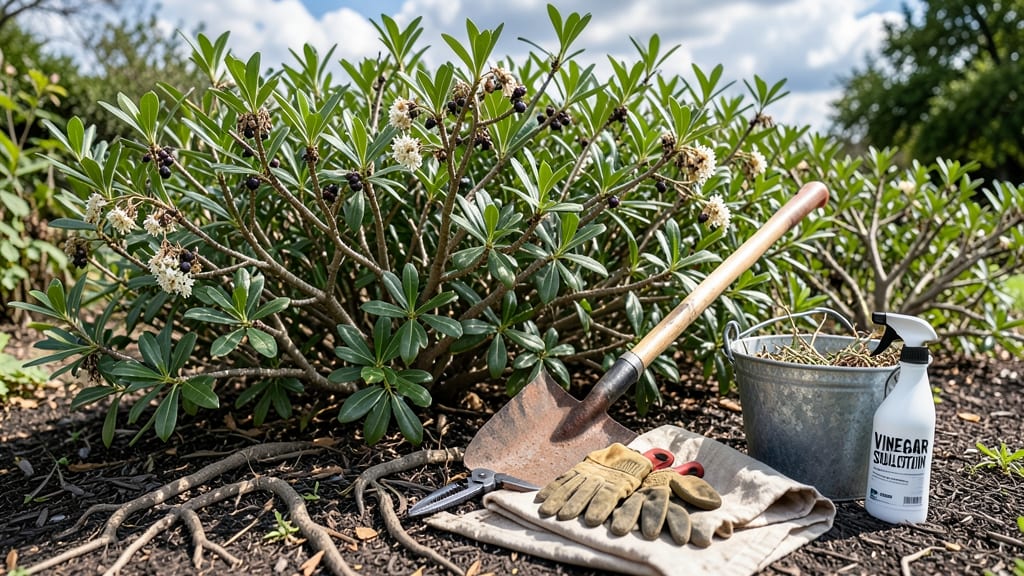
How to get rid of Chinese privet—those thick roots spread underground like a silent takeover. 🌱 I've battled this invasive shrub for years, and boiling water isn't just a quick fix—it's the most effective way to kill roots without harsh chemicals that harm your yard later. The secret lies in timing, technique, and persistence.
You'll need boiling water, a long-handled pot, and gloves—no fancy tools, just determination. The key is pouring water directly onto the roots when the plant is actively growing (spring or fall).
Most people give up after one treatment, but Chinese privet requires 3-4 applications spaced 2 weeks apart to fully die back.
Within 2-3 weeks, you'll see leaves yellow and stems wilt—proof the roots are dying. The real test comes when you dig up the stumps; they should crumble like dry kindling. This method works best on small patches first, but the principles scale for larger infestations.
Fair warning: regrowth happens if roots survive. That's why follow-up inspections are critical—pull any new shoots immediately. For stubborn cases, combine boiling water with manual root cutting (wear gloves!) to break the underground network. The payoff? A yard free of this aggressive invader without toxic residue.
📚 In This Guide
- What you need
- Instructions
- Tips and common mistakes
- Wrapping up and next steps
What you need
- ● Boiling water: At least 5 gallons (or a large pot with a spout for precision). Pro tip: Use a kettle with a hose attachment (or a turkey baster) for targeted pouring! 🌡️
- ● Heavy-duty gloves: Nitrile or rubber gloves (to protect from burns and sap).
- ● Shovel or mattock: For digging up roots (if needed). A flat-edged shovel works best for slicing stubborn roots.
- ● Pruners or loppers: Bypass pruners (for clean cuts) to trim branches and stems before boiling.
- ● Rake: A stiff-bristle garden rake to loosen soil around the base.
- ● Plastic sheeting or tarps: 6–10 ft squares (to contain spilled boiling water and protect surrounding plants).
- ● Garden hose or water source: For rinsing tools and cooling treated areas afterward.
- ● Herbicide (glyphosate-based): For large infestations—apply 24 hours before boiling to weaken roots. Follow label instructions! ⚠️
- ● Root killer (e.g., vinegar + salt mix): 1 gallon white vinegar + 1 cup salt (for stubborn root fragments).
- ● Safety goggles: To shield eyes from splashing water or debris.
- ● Wheelbarrow or bucket: To haul away debris and dispose of privet properly.
- ● Disposable coveralls: If you’re really committed to the cause (or just hate stains).
Step-by-Step instructions for eliminating Chinese privet with boiling water
This method targets the roots where chemical treatments often fail—using heat to kill even stubborn underground growth.
🌿 Step 1: Identify and Clear Surface Growth
Start by removing all visible stems and branches within a 12-inch radius of the plant's base. Use pruning shears or a handsaw to cut at the ground level—this prevents regrowth from above-ground nodes. Wear gloves; Chinese privet has sharp thorns that can draw blood.
Collect all cuttings and dispose of them immediately in sealed trash bags. Never compost privet clippings—they can sprout new plants. I like to double-bag them to prevent any accidental root fragments from escaping. This step ensures you're not just hiding the problem underground.
💧 Step 2: Boil Water and Prepare Application Tools
Fill a large pot or kettle with 2-3 gallons of water and bring it to a rolling boil on the stove. The heat needs to be intense—212°F or higher—to penetrate the roots effectively. While waiting, gather a long-handled shovel and a garden hose with a steady flow.
Here's the thing—you don't need fancy equipment. A simple 5-gallon bucket with a spout works too, but ensure it can hold enough boiling water to cover the root zone. I've used everything from a repurposed coffee urn to a borrowed pressure washer tank. Just make sure whatever you use can handle the heat without cracking.
✂️ Step 3: Apply Boiling Water Directly to the Root Zone
Pour the boiling water directly onto the exposed root system in 2-pint increments, letting it soak into the soil. Focus on the outer edges first, working your way toward the center. You'll see steam rising—this means the heat is penetrating. Repeat this process 3-4 times per spot to ensure complete coverage.
After applying the boiling water, use the shovel to loosen the top 6 inches of soil around the treatment area. This helps distribute the heat deeper into the root zone. Water the area thoroughly with the hose afterward to cool the soil and prevent heat damage to nearby plants. You'll know you've done it right when the ground feels uniformly warm to the touch.
🌱 Step 4: Monitor and Repeat for Stubborn Roots
Wait 7-10 days before checking for regrowth. New shoots will appear if any roots survived—this is your signal to repeat the boiling water treatment. Chinese privet is tough, so don't be discouraged if you see a few stubborn sprouts. I've found that 3-4 applications, spaced 10 days apart, usually do the trick.
For large infestations, divide the area into 4-foot sections and treat one section at a time. This keeps the process manageable and ensures you don't miss any spots. Keep the soil moist but not soggy between treatments—this helps the heat penetrate more effectively. If you notice nearby plants wilting, water them separately to avoid heat stress.
☀️ Step 5: Prevent Regrowth with Follow-Up Care
Once the area is clear, apply a 2-inch layer of mulch (such as wood chips or gravel) to suppress any dormant roots. This smothers what little light remaining roots might need to sprout. Check the treated area monthly for the first year—privet roots can lie dormant for long periods before resurfacing.
If you see any new growth, pull it immediately and reapply boiling water to the base. I've had to do this a few times, but persistence pays off. Over time, the soil will become inhospitable to privet, and other plants can reclaim the space. This method isn't just fast—it's sustainable and chemical-free, which is a win for both your garden and the environment.
Tips & tricks for eliminating Chinese privet effectively
A few strategic adjustments can make this boiling water method even more powerful against stubborn privet roots.
Heat Application Technique: For maximum heat penetration in Step 3, I recommend using a metal watering can with a narrow spout instead of pouring directly from a pot. The focused stream delivers boiling water more precisely to the root zone, and the metal conducts heat better than plastic containers. Also, work in the morning when temperatures are cooler—this prevents rapid evaporation and helps maintain the 212°F+ temperature longer in the soil.
Equipment Upgrade: While a large pot works, consider using a pressure washer tank designed for hot water applications if you have one available. These tanks maintain heat longer and allow for more controlled application. If you don't have specialized equipment, a well-insulated 5-gallon bucket with a spout works surprisingly well—just preheat the bucket in the sun for 10 minutes before pouring boiling water to maintain temperature.
Timing Strategy for Stubborn Roots: In Step 4, if you're dealing with particularly tenacious roots, try applying the boiling water treatment twice in one day with a 4-hour gap between applications. The first treatment weakens the roots, making them more vulnerable to the second application. Just be sure to water thoroughly between treatments to cool the soil and protect nearby plants.
Visual Confirmation: After applying boiling water in Step 3, look for these three signs of successful treatment: visible steam rising for at least 30 seconds, soil temperature rising noticeably to the touch, and a slight darkening of the soil around the treatment area. These visual cues confirm the heat is penetrating where it needs to go—right to the root system.
Pro Tips for Get Rid Of Chinese Privet
- A few strategic adjustments can make this boiling water method even more powerful against stubborn privet roots.
- Heat Application Technique: For maximum heat penetration in Step 3, I recommend using a metal watering can with a narrow spout instead of pouring directly from a pot.
- Equipment Upgrade: While a large pot works, consider using a pressure washer tank designed for hot water applications if you have one available.
Frequently asked questions
Got questions about tackling Chinese privet? You’re not alone—this invasive plant can be stubborn! Here are some of the most common concerns and straightforward answers to help you take action.
Is boiling water safe to use around pets or kids?
Yes, but with caution! Boiling water is non-toxic and won’t harm pets or children if used properly. Just avoid splashing and keep them at a safe distance while working. Always supervise kids and pets near hot liquids—just like you would with any boiling water task.
How long does it take to see results after treating Chinese privet with boiling water?
You’ll likely notice wilting or browning within 24–48 hours, but full eradication can take weeks to months, depending on the plant’s size and root system. Reapply boiling water to regrowth or use follow-up methods like herbicide or manual removal for stubborn roots.
Can I use vinegar or other household solutions instead of boiling water?
Vinegar (especially with salt or dish soap) can work for small plants, but it’s less effective than boiling water for deep roots. For larger infestations, stick with boiling water or glyphosate-based herbicides. Test small areas first—vinegar may harm nearby plants or soil.
What should I do if the Chinese privet keeps coming back?
Persistent regrowth usually means roots survived. Dig up the soil around the base to expose and cut roots (wear gloves!), then reapply boiling water or herbicide. For severe cases, consider professional help or repeat treatments in spring and fall when the plant is actively growing.
Will boiling water harm my lawn or garden plants nearby?
Boiling water is targeted, but accidental splashes can scorch nearby plants. Use a narrow spout (like a turkey baster) and avoid spraying directly on desirable plants. If you’re worried, apply a protective barrier (like cardboard) around non-target plants before treatment.
Wrapping up and next steps
Getting rid of Chinese privet doesn’t have to be a never-ending battle! With the right tools—like the boiling water technique—you can target those stubborn roots and reclaim your yard.
Stay patient, consistent, and proactive to ensure long-term success. Once the privet is gone, you’ll love the space you’ve reclaimed—imagine a lush, weed-free garden instead! 🌿✨
Ready to take action? Start by marking your next treatment date on your calendar and gather your supplies. Every drop of boiling water brings you closer to victory—so roll up your sleeves and make it happen!