
Pests
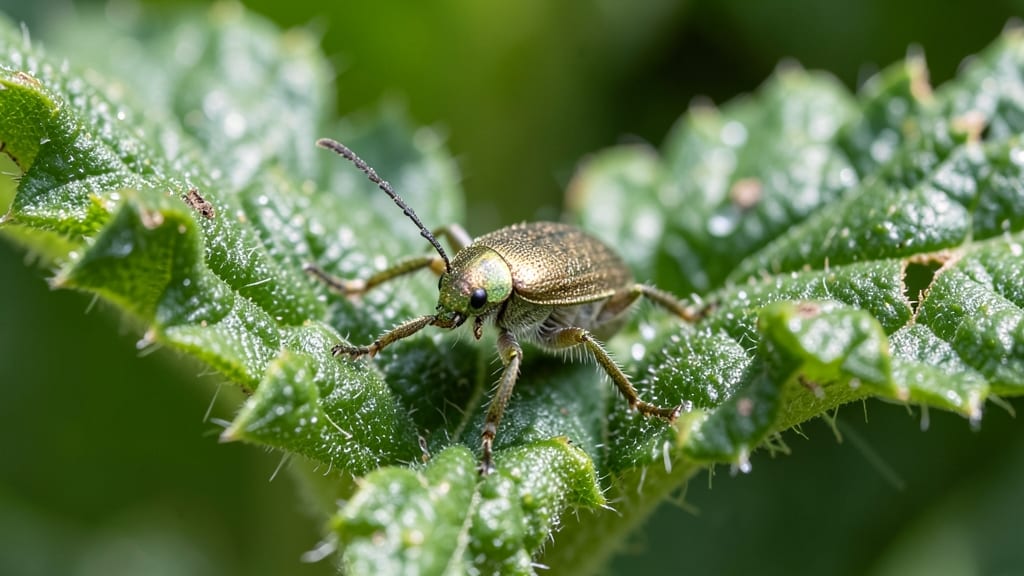
How to get rid of flea beetles on tomato plants—your tomato plants are getting Swiss-cheesed by tiny black beetles. 🌱 Flea beetles turn leaves into lace overnight, but I’ve found a boiling water barrier that stops them dead in their tracks—permanently. This isn’t just another spray; it’s a physical shield that works where neem oil and row covers fail.
The problem starts when adults chew tiny holes, stunting growth and inviting disease. Most solutions mask the issue—this one cuts them off at the source. You’ll need a kettle, a stick, and 10 minutes of focus.
No fancy tools, just science: flea beetles can’t cross boiling water, and they won’t climb back up.
By morning, your plants will look like they’ve been given a second chance. The barrier lasts 2-3 weeks before reapplication, and it’s 100% organic—no chemicals, no guesswork. Your tomatoes will rebound faster than you’d expect, with fewer holes and stronger stems.
Best for small gardens, containers, or when beetles hit hard early in the season. Works even if you’ve tried everything else. Let’s stop those pests before they ruin your harvest.
Root Causes of Flea Beetle Infestations
Flea beetles may seem like tiny, harmless pests, but they can wreak havoc on your tomato plants—especially when they strike in swarms. Understanding why these pests target your garden is the first step to stopping them.
Below, we break down the key factors that turn your thriving tomato plants into a flea beetle buffet.
Flea beetles are drawn to stressed or vulnerable plants—especially young, tender tomato seedlings. When plants are overcrowded, they compete for sunlight, water, and nutrients, weakening their defenses. A weakened plant’s thin stems and delicate leaves are an open invitation for flea beetles to feast.
Why it matters:
- Thin leaves lack the tough waxy coating (cuticle) that healthy plants have, making them easier for beetles to chew through.
- Slow growth means fewer resources to recover from damage, leading to stunted or dead plants.
- Seedlings are prime targets because their small size and soft tissue make them an easy snack.
Actionable insight: If you notice your tomato plants looking leggy or yellowing, thin them out immediately to reduce stress and improve resilience.
Flea beetles thrive when their natural enemies—like ladybugs, lacewings, birds, and parasitic wasps—are absent. These predators help keep beetle populations in check, but if your garden lacks biodiversity, flea beetles can multiply unchecked.
Why it matters:
- Monoculture gardens (planting only tomatoes or other solanaceous plants) remove the food sources and habitats that attract beneficial insects.
- Pesticide use can kill both pests and their predators, creating a vacuum that flea beetles rush to fill.
- Seasonal timing plays a role—early spring, when predator populations are still low, is when flea beetles strike hardest.
Actionable insight: Encourage biodiversity by planting companion plants like basil, marigolds, or nasturtiums, which attract predator insects and deter flea beetles.
Flea beetles are cold-blooded insects, meaning their activity levels skyrocket in warm (70–85°F) and dry conditions. Heat speeds up their metabolism, increasing reproduction rates and hunger for your tomato leaves.
Why it matters:
- Drought stress weakens plants, making them more susceptible to beetle attacks.
- Early planting in warm climates means tomato seedlings emerge just as flea beetles become active.
- Southern and southwestern U.S. regions (where summers are long and hot) see the worst infestations.
Actionable insight: If you’re in a hot, dry climate, consider shade cloth or drip irrigation to keep plants hydrated and less appealing to beetles.
Poor soil health—whether from nutrient deficiencies, compacted soil, or improper pH—can make tomato plants more attractive (or easier to attack) for flea beetles.
Why it matters:
- Nitrogen deficiency leads to pale, weak leaves—an easy target for beetles.
- Compacted soil restricts root growth, making plants more susceptible to stress and pest damage.
- High organic matter (like fresh mulch) can sometimes attract beetles if it’s too close to the plant stem.
Actionable insight: Test your soil and amend it with compost, balanced fertilizer, and proper drainage to ensure your tomato plants are strong and less inviting to pests.
Flea beetles overwinter in garden debris, weeds, or wild plants like nightshade or purslane. If your garden (or a neighbor’s) had an infestation last year, the beetles may return in force.
Why it matters:
- Weeds act as breeding grounds—many wild plants in the nightshade family (Solanaceae) are flea beetle favorites.
- Leftover plant debris provides shelter for adult beetles to survive winter and re-emerge in spring.
- Wind and water dispersal can carry beetles from nearby infested areas to your garden.
Actionable insight: Clean up garden debris thoroughly in fall and remove wild hosts to break the beetle life cycle.
In some cases, flea beetles hitch a ride on wind, water, or even human activity (like moving infested soil or plants). Urban gardens near farms or construction sites may see sudden beetle outbreaks due to accidental transport.
Why it matters:
- Farm runoff can introduce beetles to suburban gardens via irrigation or rainwater.
- Potted plants or nursery stock may already be infested when purchased.
- Lawn equipment (like tillers or wheelbarrows) can spread beetles from one area to another.
Actionable insight: Inspect new plants before bringing them home and avoid sharing garden tools between infested and clean areas.
When weak plants + warm weather + lack of predators + poor garden hygiene align, flea beetles throw a party—and your tomato plants pay the price.
The good news? Once you identify why they’re attacking, you can prevent future outbreaks with targeted strategies (like the boiling water barrier method we’ll cover next!).
Would you like a deeper dive into any of these causes? Let us know in the comments!
Practical Fixes for Flea Beetle Havoc
Flea beetles may be tiny, but their damage to tomato plants can feel like a full-blown attack. The good news? You don’t need harsh chemicals or complicated methods to reclaim your garden.
Below, we break down targeted solutions based on the root causes of infestations—from physical barriers to organic sprays—along with proactive tips to keep these pests at bay for good.
Flea beetles are drawn to young, tender tomato seedlings, making early intervention key. A boiling water barrier (as mentioned in the article title) is one of the most effective ways to deter them without harming your plants.
🔥 Create a Boiling Water Barrier
- Timing Matters: Apply this method before planting or when seedlings are just emerging.
- Boil Water: Heat 1 gallon of water until it’s steaming hot (but not boiling over).
- Pour Strategically: Carefully pour the boiling water in a 1-inch-wide band around the base of each tomato plant, about 3–4 inches from the stem. Avoid direct contact with foliage.
- Repeat Weekly: Reapply every 7–10 days or after heavy rain, as the barrier breaks down.
Why It Works: The scalding water kills adult beetles on contact and disrupts their egg-laying cycles. It’s a non-toxic, long-term deterrent that protects your plants from the moment they sprout.
🍳 Row Covers for Young Plants
- Use floating row covers (made of lightweight fabric) to shield seedlings from beetles while allowing sunlight and water through.
- Secure edges with soil or bricks to prevent beetles from crawling underneath.
- Remove covers once plants are 4–6 inches tall and more resilient.
If beetles persist, organic sprays can provide immediate relief while being safe for your garden ecosystem.
👨🍳 Homemade Neem Oil Spray
Neem oil disrupts flea beetles’ life cycle and repels them with its bitter taste.
- Mix: Combine 1 tablespoon neem oil, 1 teaspoon mild liquid soap (as an emulsifier), and 1 quart of water.
- Shake Well: Stir thoroughly and transfer to a spray bottle.
- Apply: Spray early in the morning or late evening (avoid direct sunlight, which can burn leaves).
- Reapply: Every 5–7 days or after rain.
Pro Tip 💡: Add 1 teaspoon of garlic oil to the mix for extra repellent power—beetles hate the smell!
🥘 Diatomaceous Earth (Food-Grade Only)
This fine, powdery substance dehydrates insects on contact but is harmless to plants and pets.
- Apply Dry: Lightly dust the soil around plants (avoid direct contact with leaves, as it can irritate them).
- Reapply After Watering: It loses effectiveness when wet, so reapply every 3–4 days or post-rain.
- Combine with Other Methods: Use alongside row covers or neem oil for maximum protection.
Warning ⚠️: Always use food-grade diatomaceous earth—never pool-grade, which is toxic.
Flea beetles love certain plants more than tomatoes. Use this to your advantage!
🎯 Plant Trap Crops
- Radishes, lettuce, or mustard greens attract flea beetles away from tomatoes.
- Plant them a few feet away from your tomato patch and remove them once beetles infest (along with the pests).
🌿 Companion Plants That Repel Beetles
Interplant tomatoes with:
- Basil (masks tomato scent and repels beetles).
- Marigolds (release a natural pesticide when crushed).
- Nasturtiums (act as a sacrificial trap crop).
Bonus Tip ✨: Crush a few mint leaves and place them near tomato plants—the strong aroma confuses beetles!
The best way to eliminate flea beetles? Break their cycle with smart gardening habits.
🌱 Rotate Plantings
- Avoid planting tomatoes, peppers, or other Solanaceae family crops in the same spot year after year. Flea beetles overwinter in soil—rotation disrupts their lifecycle.
🌱 Clean Up Debris
- Remove weeds, plant debris, and old crop residues from your garden in fall and spring. Beetles hide in these areas to survive winter.
⏰ Time Your Plantings
- Flea beetles are most active in early spring and late summer. Start tomatoes indoors and transplant them after the last frost when beetles are less aggressive.
If your garden is severely infested (e.g., >50% of leaves chewed), consider:
- Pyrethrin-based sprays (derived from chrysanthemums)—use sparingly and only as a last resort.
- Beneficial nematodes (Steinernema carpocapsae)—microscopic worms that target flea beetle larvae in the soil.
Pro Tip 💡: Introduce ladybugs or lacewings—these natural predators devour flea beetles and their eggs!
Final Reminder: Consistency is key. Combine barriers, sprays, and companion planting for the best results. With these methods, your tomato plants will thrive pest-free from seedling to harvest! 🍅🌱
Frequently asked questions
Can flea beetles kill my tomato plants?
While they won't kill mature tomato plants outright, severe infestations can stunt growth and invite disease. Young seedlings are most vulnerable—flea beetles can chew through leaves faster than they can regrow, leading to plant death if unchecked. Focus on prevention (like the boiling water barrier) for seedlings and use sprays for established plants.
How do I know if my tomato plants have flea beetles?
Look for tiny holes (like shotgun pellets) in leaves, especially on new growth. Check the undersides of leaves for small black beetles (1/16-inch long) that jump when disturbed. Early signs include yellowing leaves and stunted growth—these mean beetles have been feeding for days.
Will the boiling water method harm my tomato plants?
Not if applied correctly! Keep the boiling water 3-4 inches from stems and avoid foliage. The heat only affects beetles at the soil surface. For extra safety, use 1 gallon of water per plant and apply when soil is dry. This method is safer than chemicals and won't burn roots if poured properly.
Can I use coffee grounds to repel flea beetles?
Yes, but with limitations. Coffee grounds can help when used as a mulch around plants—the strong smell repels beetles. However, they work best as a preventative rather than a cure. For active infestations, combine with neem oil or diatomaceous earth for better results.
How long does it take to see results with these methods?
Most methods show improvement within 3-5 days, but consistency is key. The boiling water barrier works immediately (killing adults on contact), while neem oil takes 5-7 days to disrupt the beetle lifecycle. For severe cases, combine methods—expect full recovery in 2-3 weeks with regular applications.