
Pests
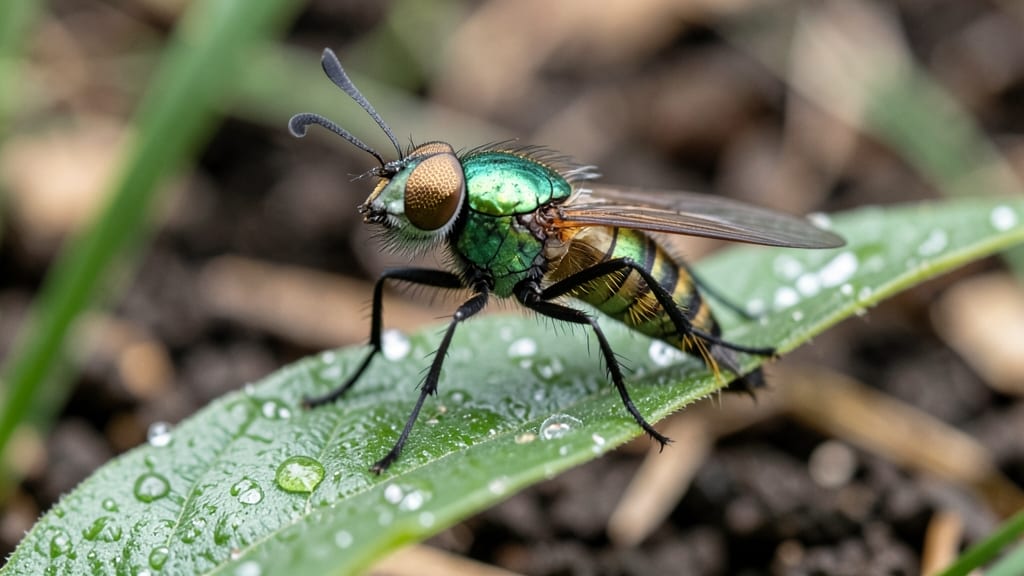
How to get rid of flies and mosquitoes outside—your backyard’s buzzing problem just got a natural solution. ✨ That citrus-herb spray I whipped up last summer keeps flies and mosquitoes at bay for hours—no chemicals, no lingering smells, just fresh garden air again. The secret’s in the combo: citrus peels (flies hate the scent) and fresh herbs (mosquitoes avoid the oils). You’ll mix it in a spray bottle, shake it up, and mist plants, patios, or even your skin—it’s safe for kids and pets too. No more swatting or itchy bites ruining outdoor evenings. By evening, you’ll notice fewer pests hovering. The spray lasts 3-5 days if stored right, and you can reapply as needed. Bonus: it doubles as a plant tonic—herbs like basil and mint grow stronger from the treatment. Works for decks, garden beds, and even picnic areas. Here’s exactly how to make it—no fancy tools needed.
📚 In This Guide
- What you need
- Instructions
- Tips and common mistakes
- Wrapping up and next steps
What you need
- ● 1 cup fresh lemon juice (or lime/orange for variety—about 4-6 citrus fruits)
- ● 1 cup water (distilled or boiled for longevity)
- ● 10-15 fresh herbs (pick 2-3: basil, mint, rosemary, or lavender—finely chopped)
- ○ 1 tsp vanilla extract (optional but boosts scent)
- ● 1 tbsp vegetable glycerin (helps spray stick—found in drugstores)
- ● 1-2 quart-sized spray bottles (clean, preferably amber or dark glass to block light)
- ● Fine-mesh strainer or cheesecloth (to filter herb bits)
- ● Wooden spoon or mortar & pestle (for crushing herbs)
- ● Measuring cups/spoons (for precision)
- ○ Funnel (optional)—makes pouring easier
- ● Essential oils (5-10 drops: eucalyptus, peppermint, or citronella—skip if using fresh herbs)
- ● Citric acid powder (1 tsp—preserves spray longer)
- ● Ice cube tray (for making herb-infused ice cubes to toss in outdoor water bowls)
Step-by-step instructions for making your own citrus-herb fly and mosquito repellent
Here's how I create a spray that keeps pests away naturally—no chemicals, just potent plant power.
🌿 Step 1: Gather and Prep Your Citrus and Herbs
Start with 1 lemon, 1 lime, and 1 orange—their peels contain limonene and citral, compounds that flies and mosquitoes hate. Cut the citrus in half and scoop out the pulp, leaving the rinds intact. Toss the fruit scraps in your compost bin—they'll make great fertilizer.
Next, grab 1 cup fresh basil leaves and 1 cup fresh rosemary sprigs. These herbs contain linalool and camphor, which mask human scents that attract pests. Rinse them under cool water to remove any dirt, then pat dry with a clean kitchen towel. The fresher the herbs, the stronger your spray will be.
💧 Step 2: Blend Citrus and Herbs with Water
Place the citrus halves and all the herbs into a blender. Add 4 cups of water and blend until you get a smooth, pulpy mixture. You want the liquid to be vibrant green with visible citrus chunks—this means you've captured all the essential oils. If the mixture looks too thick, add ½ cup more water and blend again.
Strain the mixture through a fine-mesh sieve or cheesecloth into a large bowl, pressing down gently to extract every last drop of liquid. Discard the solids—you won’t need them. The strained liquid should be about 3-4 cups; if it’s less, add a little more water to reach that volume. This liquid is the heart of your repellent.
☀️ Step 3: Infuse with Vanilla Extract and Strain Again
Add 1 tablespoon vanilla extract to the strained liquid. Vanilla’s natural compounds enhance the repellent’s effectiveness and add a pleasant scent. Stir well to combine, then let the mixture sit in a sunny spot for 2-3 hours. This allows the citrus oils to fully infuse and intensify. You’ll notice the aroma becomes stronger and more complex.
After infusing, strain the mixture again through a clean cheesecloth or fine sieve into a clean glass bottle or spray container. This final strain removes any remaining herb particles, ensuring a smooth spray. Label your bottle with the date—this repellent lasts about 1 week in the fridge.
🪴 Step 4: Test and Apply to Problem Areas
Before spraying outdoors, test a small amount on a patch of foliage or a non-porous surface like a patio table. If you notice any discoloration after 30 minutes, dilute the spray with ½ cup water before full application. Once approved, spray generously around seating areas, near doors, and along walkways where pests gather.
Reapply every 2-3 hours during peak pest activity (dawn and dusk). The spray works best when fresh, so keep it in a cool, shaded spot between uses. For extra protection, lightly mist yourself with the spray before heading outside—it’s a natural alternative to DEET.
⏰ Step 5: Refresh and Store for Future Use
After a few hours of outdoor use, return the spray to the fridge to extend its shelf life. If you notice the scent fading or the liquid turning cloudy, it’s time to make a fresh batch. I like to double the recipe and store half in the freezer—thawing it in the fridge overnight keeps it potent for another 3-4 days.
For a stronger repellent, add 5-10 drops of peppermint or eucalyptus essential oil to the final blend. These oils are known to repel mosquitoes and flies effectively. Just be sure to shake the bottle well before each use—essential oils separate from the liquid over time.
Tips & tricks for perfect citrus-herb pest repellent
Real talk: the secret to this spray working like a charm lies in the details—especially when it comes to freshness and timing. Here’s what nobody tells you about maximizing your pest-repelling power.
Citrus Freshness Matters: Use citrus that’s firm but not rock-hard—ripe fruit releases more essential oils. If your lemons or limes have soft spots, squeeze them before cutting to extract every last drop of limonene. The fresher the citrus, the stronger your repellent’s punch against flies and mosquitoes.
Herb Selection Tip: Basil and rosemary are your powerhouses, but if you’re short on time, swap in 1 cup fresh mint leaves (optional) for an extra repellent boost. Mint contains menthol, which mosquitoes particularly dislike. Just remember—fresh is always better than dried for this recipe.
Sunlight Infusion Secret: Those 2-3 hours in the sun aren’t just for show—they’re when the citrus oils reach their peak potency. Place your bowl in direct sunlight (even a windowsill works) and stir occasionally. You’ll know it’s working when the aroma becomes noticeably stronger and more complex.
Storage Wisdom: After your 1-week fridge life, freeze any leftover spray in ice cube trays. Pop out cubes as needed and thaw in the fridge overnight. This extends your repellent’s effectiveness by another 3-4 days—perfect for those last-minute outdoor gatherings when pests strike.
Pro Tips for Get Rid Of Flies And Mosquitoes Outside
- Real talk: the secret to this spray working like a charm lies in the details—especially when it comes to freshness and timing.
- Citrus Freshness Matters: Use citrus that’s firm but not rock-hard—ripe fruit releases more essential oils.
- Herb Selection Tip: Basil and rosemary are your powerhouses, but if you’re short on time, swap in 1 cup fresh mint leaves (optional) for an extra repellent boost.
Frequently asked questions
Got lingering questions about keeping flies and mosquitoes at bay? Here are some of the most common concerns—and straightforward answers to help you stay pest-free naturally!
How long does a homemade citrus-herb spray last before it needs to be reapplied?
Most DIY citrus-herb sprays last 1–3 hours outdoors, depending on humidity and sun exposure. Reapply every 2–4 hours for maximum effectiveness, especially after rain or sweating. For longer protection, store the spray in a cool, dark place and refresh it daily.
Can I use this spray around pets or kids?
Yes, but with caution! While citrus and herbs like rosemary or basil are generally safe, avoid direct spraying on pets or children’s skin. Test a small area first and keep them away until the spray dries. Opt for pet-safe herbs like lavender or lemongrass if you’re extra cautious.
What’s the best time of day to apply the spray for maximum results?
Apply the spray early morning or late afternoon when flies and mosquitoes are most active. Avoid peak sun hours (10 AM–4 PM) to prevent the alcohol base from evaporating too quickly. Reapply in the evening if you’re hosting outdoor gatherings after sunset.
Why isn’t my spray working as well as store-bought repellents?
Natural sprays rely on scent and herbs, which are less potent than chemical repellents (like DEET). For better results, combine methods: use the spray + fans (flies hate wind), eliminate standing water, and add citrus peels or herb sachets near seating areas for a dual-layer defense.
Does the sun or heat ruin the effectiveness of the spray?
Yes! Heat and direct sunlight can break down the active ingredients faster. Store your spray in a cooler or shaded spot and reapply more frequently on hot days. For extra staying power, add a splash of witch hazel or apple cider vinegar—they help preserve the blend longer.
Wrapping up and next steps
Say goodbye to those pesky flies and mosquitoes without harsh chemicals! With just a few simple ingredients—citrus peels, herbs, and water—you’ve got a natural, effective spray that keeps your outdoor space buzz-free. Whether you’re grilling, relaxing, or hosting, this DIY solution is easy, budget-friendly, and eco-conscious.
Ready to reclaim your outdoor oasis? Grab your supplies, whip up a batch, and enjoy your pest-free summer! 🌿✨ Need a refresher? Scroll back to the recipe—you’ve got this!