
Companion Plants
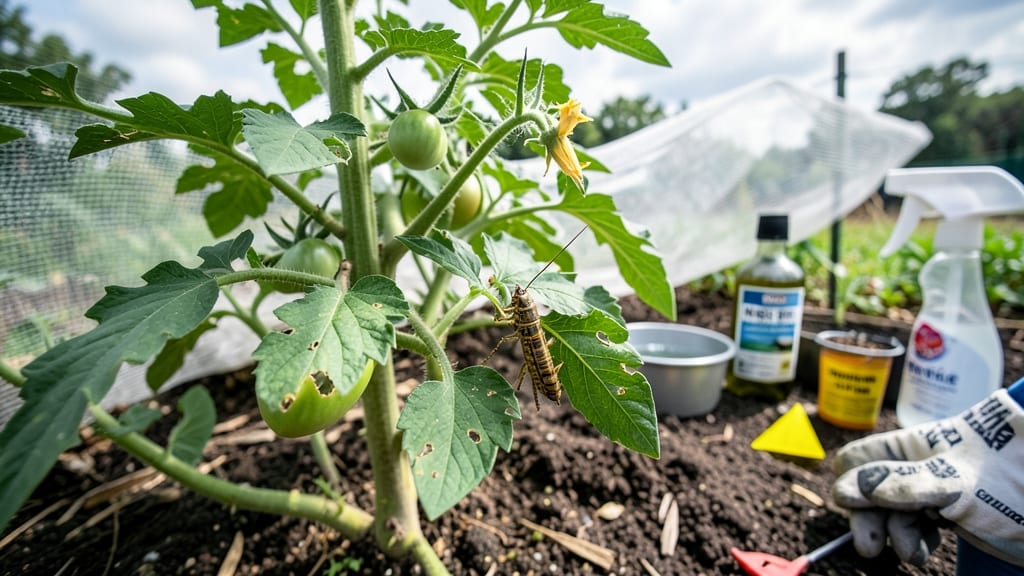
How to get rid of grasshoppers on plants—your thriving plants can become a grasshopper buffet overnight. 🌱 I’ve lost count of the times I watched my tomatoes get skeletonized overnight—until I learned these foolproof organic methods that actually stop them. The key isn’t just sprays or traps (though those help). It’s layered defense: companion plants that repel them, predators that eat them, and physical barriers that block them. My garden now stays grasshopper-free without chemicals, and the plants look healthier than ever. You’ll see fewer chewed leaves within a week of implementing these tricks. The best part? Your yard becomes a grasshopper-free zone that attracts pollinators instead of pests. Works for veggie gardens, flower beds, and even houseplants on patios. Let’s get started—your plants will thank you.
📚 In This Guide
- What you need
- Instructions
- Tips and common mistakes
- Wrapping up and next steps
What you need
- ● Garden hose (with a strong, adjustable nozzle for spraying water)
- ● Neem oil (1–2 tbsp per gallon of water) – organic insecticide
- ● Diatomaceous earth (food-grade) (1–2 cups) – natural desiccant
- ● Soapy water solution (1 tsp mild dish soap per quart of water)
- ● Gloves (gardening or rubber gloves for protection)
- ● Small hand trowel or brush (for gently moving plants/soil)
- ○ Pest traps (optional but effective) – yellow sticky traps or beer traps (1–2 per affected area)
- ● Pyrethrin spray (natural insecticide derived from chrysanthemums)
- ● Beneficial nematodes (for soil-dwelling grasshopper larvae)
- ● Row covers or netting (to physically block grasshoppers)
- ● Companion plants (e.g., marigolds, garlic, or basil to repel pests)
- ● Flashlight (for evening inspections when grasshoppers are most active)
Step-by-Step instructions for eliminating grasshoppers from your plants
Here's the method I've used for years to keep these jumpers off my garden without chemicals.
🌱 Step 1: Identify and Assess the Infestation
Start by examining your plants closely—look for chewed leaves, particularly along edges, and spot the grasshoppers themselves. They're usually 1-2 inches long, green or brown, with powerful hind legs for jumping. I check most thoroughly in the late afternoon when they're most active and visible. Focus on areas with tall grasses, weeds, or overgrown plants where they hide during the day.
Count the grasshoppers on a few representative plants to gauge the severity. A few scattered ones mean you can handle them manually, while dozens per plant signals you'll need a more strategic approach. This is the moment to decide whether you'll tackle them by hand or set up preventive barriers.
💧 Step 2: Remove Grasshoppers by Hand or with Tools
For small infestations, I simply pick them off during the early morning when they're sluggish from the cool temperatures. Use a pair of gardening gloves and either drop them into a bucket of soapy water or relocate them to a distant part of your yard. Never crush them on your plants—their crushed bodies can attract more pests.
For larger plants or when grasshoppers are hiding in dense foliage, I use a shop vacuum with a hose attachment. The vacuum's suction removes them quickly and prevents them from jumping away. Always empty the vacuum outdoors immediately after use to avoid releasing any survivors back into your garden.
☀️ Step 3: Create Physical Barriers to Protect Plants
Wrap young or vulnerable plants with fine mesh netting (like 1/4-inch hardware cloth) secured with clothespins or stakes. This prevents grasshoppers from reaching the leaves while still allowing light and air to pass through. I've found that cheesecloth works well for smaller plants but isn't strong enough for larger ones.
For ground-level protection, spread diatomaceous earth (food-grade only) around the base of plants in a 1-inch wide band. This natural powder kills grasshoppers by damaging their exoskeletons when they walk through it. Reapply after rain or watering, as it loses effectiveness when wet. Always wear a mask when applying to avoid inhaling the fine dust.
✂️ Step 4: Implement Natural Predator Support
Encourage grasshopper predators by planting native wildflowers like milkweed, goldenrod, and coneflowers around your garden. These attract birds, spiders, and beneficial insects that feed on grasshoppers. I've seen American robins and meadowlarks completely clear out grasshopper populations in my yard within a week of establishing these plants.
Install birdhouses and bat boxes near your garden to provide nesting and roosting spots for these natural pest controllers. Place them at least 10 feet away from plants to avoid attracting them to your crops. The more diverse your garden ecosystem, the fewer grasshoppers you'll encounter long-term.
🪴 Step 5: Maintain Long-Term Prevention Strategies
Keep your garden neat and tidy by removing weeds and tall grasses where grasshoppers hide. Mow lawn areas regularly and trim vegetation back from garden beds. I set up tall grass barriers around the perimeter of my garden to create a natural buffer zone that grasshoppers are less likely to cross.
Water plants in the early morning to allow foliage to dry quickly. Damp plants attract grasshoppers, so keeping leaves dry reduces their appeal. I also rotate crops annually to disrupt grasshopper life cycles and prevent them from establishing feeding patterns in specific areas.
Tips & tricks for natural grasshopper control
These practical strategies will help you eliminate grasshoppers without harming your garden's ecosystem.
Timing is Everything: The late afternoon inspection in Step 1 is your best chance to spot grasshoppers—this is when they're most active and visible. I've found that using a small handheld mirror helps reflect light into dense foliage, revealing hidden pests. For early morning removal in Step 2, I recommend working before 8 AM when temperatures are still cool and grasshoppers are sluggish. This makes them easier to pick off without them jumping away.
Equipment Upgrade: While a shop vacuum works well for dense foliage, I've had great success with a leaf blower attachment on my vacuum for larger areas. The strong airflow dislodges grasshoppers from plants while you collect them in a bucket. Always wear gloves and goggles when using this method—grasshoppers can jump surprisingly far when startled. For delicate plants, I use a soft-bristle brush to gently dislodge them first.
Barrier Installation Pro Tips: When creating physical barriers in Step 3, I recommend using 1/4-inch hardware cloth for most plants, but for very young seedlings, fine mesh netting with 1/16-inch holes works better. Secure the netting tightly—grasshoppers can squeeze through gaps larger than 1/4 inch. For ground-level protection, I apply diatomaceous earth using a small shaker bottle for precision, creating a 1-inch band around each plant stem. Remember to reapply after rain or watering.
Predator Support Strategy: In Step 4, I've found that planting bee balm and black-eyed Susans alongside the recommended wildflowers attracts even more beneficial insects. Place birdhouses and bat boxes on south-facing walls where they'll get morning sun and afternoon shade. I've noticed that robins are particularly effective at controlling grasshopper populations—just one robin can eat up to 30 grasshoppers per day during peak season.
Pro Tips for Get Rid Of Grasshoppers On Plants
- These practical strategies will help you eliminate grasshoppers without harming your garden's ecosystem.
- Timing is Everything: The late afternoon inspection in Step 1 is your best chance to spot grasshoppers—this is when they're most active and visible.
- Equipment Upgrade: While a shop vacuum works well for dense foliage, I've had great success with a leaf blower attachment on my vacuum for larger areas.
Frequently asked questions
Got questions about tackling grasshoppers without harming your garden? You’re not alone! Here are some of the most common concerns—and straightforward answers—to help you conquer this pesky problem.
Can I use diatomaceous earth on edible plants safely?
Yes, but with caution! Food-grade diatomaceous earth (DE) is safe for edible plants when applied correctly. Avoid inhaling the powder (wear a mask) and reapply after rain. Wait 24–48 hours before harvesting to ensure residue settles. Always opt for organic, food-safe DE to avoid contamination.
What’s the best time of day to treat grasshoppers?
Early morning (before 8 AM) or late evening (after 6 PM) are ideal. Grasshoppers are less active during cooler hours, making them easier to spot and trap. Plus, you’ll avoid disturbing pollinators like bees. Pro tip: Wait for dry conditions—wet treatments (like soapy water) work best when leaves aren’t damp.
Will neem oil kill grasshoppers, or just repel them?
Neem oil is a doubleduty solution! It repels grasshoppers with its bitter taste but can also kill them if ingested in high concentrations. For best results, spray directly on leaves (especially undersides) and repeat every 5–7 days. Mix 1–2 tbsp neem oil + 1 tsp mild soap per quart of water for maximum efficacy.
Why do grasshoppers keep coming back after I treat my garden?
Grasshoppers are migratory and may return if nearby untreated areas (like lawns or wild grass) remain. Try these fixes:
- Expand your perimeter: Treat a 10-foot buffer around your garden.
- Remove hiding spots: Clear tall weeds and debris where they shelter.
- Use sticky traps: Place them near entry points to monitor and reduce populations.
Are there any companion plants that naturally deter grasshoppers?
Plant these grasshopper-repelling companions near vulnerable crops:
- Marigolds – Release a scent grasshoppers dislike.
- Garlic & Onions – Their strong aroma confuses and deters them.
- Catnip – A natural insect repellent (bonus: cats love it!).
- Basil – Deters pests while boosting your harvest.
What should I do if grasshoppers are already eating my plants?
Act fast! Start with physical removal (drop them in soapy water) and immediate barriers like row covers. For heavy infestations, combine methods:
- Spray plants with soapy water (1 tsp dish soap + 1 quart water).
- Set up yellow sticky traps to catch adults.
- Encourage natural predators like birds, spiders, and parasitic wasps.
Wrapping up and next steps
You’ve got this! 🌱 By combining natural repellents, physical barriers, and proactive garden care, you can keep grasshoppers from wreaking havoc on your plants—without harsh chemicals. Start small, stay consistent, and soon your garden will thrive with fewer pests and more peace of mind.
Ready to take action? Pick one method from this guide and try it this week—your plants (and future harvests!) will thank you. 🌿✨