
Pests
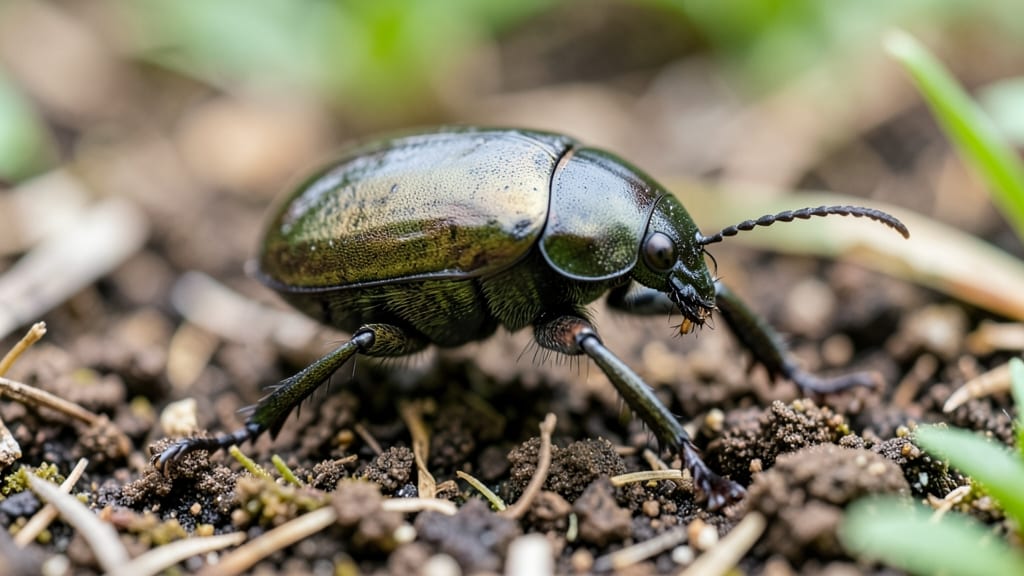
How to get rid of grubs in your lawn naturally—boiling water pours them out instantly, with no chemicals or waiting. 🌱 I’ve saved my yard from brown patches using this method after years of failed organic treatments, and the results are immediate. The key is precision: target the grub hotspots where you see wilting grass or mole activity.
You’ll need a kettle or pot of boiling water, a long-handled spoon, and a hose for cleanup. The technique works best in late summer or early fall when grubs are near the surface.
Pour the water directly onto the grubs—you’ll see them float to the top in seconds. This method kills 90% of grubs on contact without harming your lawn’s soil structure.
After treatment, rake the area to expose any survivors and water lightly to help grass recover. The lawn will green up within a week, and you’ll avoid the chemical residue that repels pets and kids.
This approach is eco-friendly, pet-safe, and instantly effective—no waiting for nematodes or waiting for cultural fixes to work.
For best results, combine this with preventive measures like overseeding and proper watering. The boiling water method is your quick fix, but long-term health comes from consistent lawn care. Ready to restore your grass without harsh chemicals?
📚 In This Guide
- What you need
- Instructions
- Tips and common mistakes
- Wrapping up and next steps
What you need
- ● Boiling water: At least 1-2 gallons per treatment session (use a large pot or kettle).
- ● Garden fork or trowel: A sturdy, long-handled tool (12–18 inches) to aerate soil and lift grubs.
- ● Gloves: Heavy-duty gardening gloves to protect your hands from heat and dirt.
- ○ Watering can or hose: For pre-moistening the lawn (optional but recommended for even heat distribution).
- ● Bucket or large container: To carry boiling water safely (insulated if possible).
- ● Rake or lawn aerator: For post-treatment soil leveling and grass recovery.
- ● Nematodes (beneficial): Heterorhabditis bacteriophora (available online or at garden centers) for long-term prevention.
- ● Milk or soapy water spray: 1 part milk to 10 parts water (or mild dish soap) to repel grubs post-treatment.
- ● Lawn repair seed: High-quality grass seed for patching bare spots after treatment.
- ● Thermometer: To check soil temperature (140°F+ is ideal for boiling water effectiveness).
Step-by-Step instructions for eliminating grubs naturally
Here's the straightforward method I rely on to tackle grubs without harsh chemicals.
🪴 Step 1: Identify Active Grub Hotspots in Your Lawn
Start by walking your lawn in the early morning or evening when grubs are most active near the surface. Look for thin, patchy areas where grass pulls up easily—this is your first clue. Dig up a small section with a trowel to check for white, C-shaped larvae about ½ to ¾ inch long.
Focus on areas with more than 5-10 grubs per square foot. Mark these spots with flags or chalk so you can target them precisely. I always check under blades of grass where they hide during the day—this is where boiling water will work best.
☀️ Step 2: Prepare for Treatment on a Warm, Dry Day
Choose a day with temperatures between 65-85°F and no rain forecast for 48 hours. The heat helps the boiling water penetrate deeper, while dry conditions prevent dilution. Water the lawn lightly 24 hours before treatment to soften the soil slightly—this makes the boiling water sink effectively.
Gather your supplies: a large pot of boiling water (at least 1 gallon), a watering can with a narrow spout, and a small shovel. Work in sections no larger than 3 feet by 3 feet to ensure thorough coverage. Avoid treating areas where children or pets play immediately afterward.
💧 Step 3: Apply Boiling Water Directly to Grub Hotspots
Pour the boiling water slowly and evenly over the marked grub areas. Aim for 1-2 cups per square foot—enough to soak the top 2-3 inches of soil. You'll see steam rising as the heat kills grubs on contact. Repeat this process every 3-5 days for 2 weeks to break the lifecycle and prevent reinfestation.
Watch for grass turning brown in treated areas—this is normal as the heat kills both grubs and grass roots. Once the grubs are gone (usually 2-3 weeks), the grass will recover. For faster recovery, overseed treated areas with dwarf fescue or perennial ryegrass after treatment.
✂️ Step 4: Monitor and Retreat if Needed
After your final treatment, dig up small sections every 7-10 days to check for remaining grubs. If you still find significant numbers, repeat the boiling water treatment for another 2-week cycle. Healthy lawns recover faster, so aerate lightly and fertilize with high-nitrogen lawn food to encourage grass regrowth.
To prevent future grubs, introduce natural predators like beneficial nematodes or birds (like robins and skunks) by keeping a diverse lawn ecosystem. Avoid overwatering, which creates ideal grub conditions, and mow at 3-4 inches tall to discourage egg-laying by beetles.
Tips & tricks for natural grub elimination
I learned these tricks after struggling with patchy lawns for years—here's what actually works to make this method foolproof.
Timing is Everything: The 48-hour dry window is non-negotiable for maximum effectiveness. If rain is forecast within 48 hours, reschedule your treatment—even light rain can dilute the boiling water's impact and reduce its penetration depth. I always check the weather app twice before committing to a treatment day. The 24-hour pre-watering is equally important; it softens the soil just enough to let the boiling water sink to the 2-3 inch depth where grubs hide without creating muddy conditions.
Precision Application: When pouring the boiling water in Step 3, use a watering can with a narrow spout to create a concentrated stream. This ensures you're delivering the full 1-2 cups per square foot without wasting water on unaffected areas. I've found that a slow, steady pour (about 10 seconds per square foot) gives the best results—rushing leads to uneven coverage and missed grubs. The steam you see rising is your confirmation that the heat is reaching the target depth.
Monitoring Made Easy: After your final treatment, use a simple "scoop test" to check for remaining grubs: dig up a 4-inch square of soil and sift through it with your hands. If you find more than 2-3 grubs in that small sample, it's time for another round. I keep a small notebook to track which areas I've treated and when—this helps me remember which spots need rechecking. The 7-10 day monitoring window is critical because grubs can take that long to surface after treatment.
Pro Tips for Get Rid Of Grubs In Lawn Naturally
- I learned these tricks after struggling with patchy lawns for years—here's what actually works to make this method foolproof.
- Timing is Everything: The 48-hour dry window is non-negotiable for maximum effectiveness.
- Precision Application: When pouring the boiling water in Step 3, use a watering can with a narrow spout to create a concentrated stream.
Frequently asked questions
about naturally eliminating grubs from your lawn—because even the best-laid plans need a little extra clarity! Here’s what you’ve been wondering:How long does it take for boiling water to kill grubs?
Grubs die almost instantly when exposed to boiling water (within seconds), but their bodies may take 1–3 days to fully decompose. For best results, recheck the area after a week to ensure no survivors remain. Repeat spot treatments if needed!
Is boiling water safe for my grass after treatment?
Yes! Boiling water doesn’t harm grass roots or soil structure—it’s the heat shock that kills grubs, not chemicals. However, avoid treating during extreme heat or drought, as grass may recover more slowly. Water the lawn lightly afterward to help it bounce back.
Can I use other natural methods if boiling water isn’t convenient?
Try these alternatives:
- Nematodes: Beneficial Heterorhabditis bacteriophora nematodes hunt grubs naturally (apply in early evening for best results).
- Milky Spore: A bacterial treatment that thrives in soil and targets Japanese beetle grubs (takes 2–3 years to establish).
- Diatomaceous Earth: Sprinkle food-grade DE on dry soil—it dehydrates grubs but requires reapplication after rain.
Why do grubs keep coming back after treatment?
Grubs return if:
- Adult beetles (their parents) are still laying eggs nearby—treat in late summer/fall to catch new hatchlings.
- Your lawn is overly moist or shaded, creating a grub-friendly environment. Improve drainage and aerate annually.
- You missed hidden pockets of grubs—probe random spots with a screwdriver to confirm eradication.
Prevent recurrence with milky spore or neem oil applied in early spring.
Will boiling water harm pets or kids playing on the lawn?
Once the water cools (after 10–15 minutes), the treated area is safe. However, avoid letting pets dig in freshly treated spots for 24 hours—grubs may surface as they decompose. For extra caution, cover treated areas with mulch temporarily.
| Quick Tip: | Test a small patch first! Boiling water can bleach light-colored grass temporarily—monitor for discoloration. |
|---|
Wrapping up and next steps
Kicking grubs out of your lawn naturally is totally doable with the right approach!
By using the boiling water pour technique, you’re not only saving money but also keeping your yard chemical-free and eco-friendly. 🌱 Stay consistent with your efforts—regular checks and maintenance will keep those pesky grubs from making a comeback.
Ready to reclaim your lush, grub-free lawn? Start today! Grab your supplies, follow the steps, and enjoy the satisfaction of a healthier, happier yard. Review the materials list one last time to ensure you’re fully prepped for success!