
How To
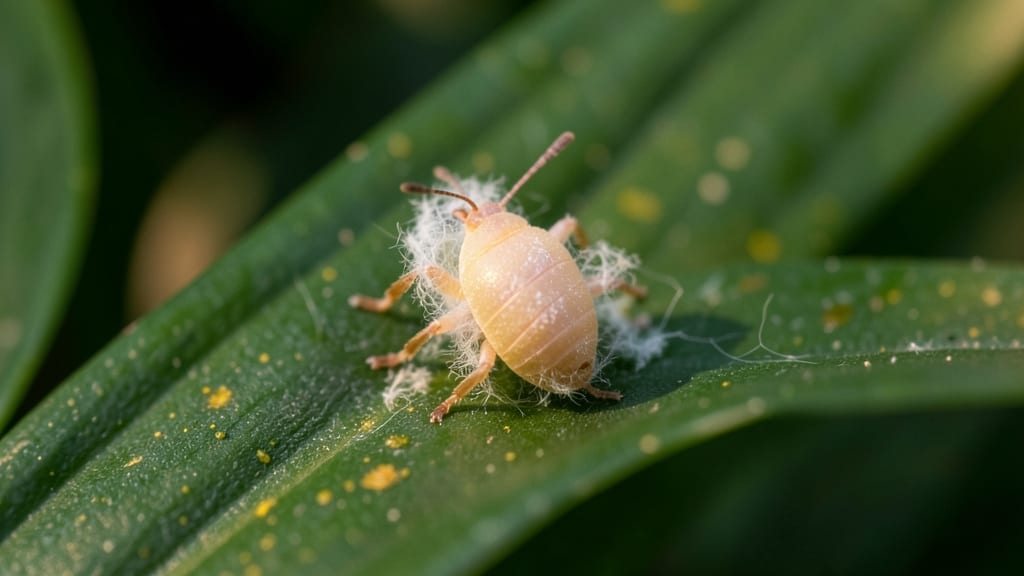
How to get rid of mealybugs on clivia—those sticky, white messes ruining your glossy leaves? I’ve battled these pests for years, and the boiling water drench method works faster than anything else—no harsh chemicals, just instant results. The key is timing and precision, smothering them before they spread.
First, confirm it’s mealybugs by looking for cottony white clusters in leaf crevices. These pests thrive in dry conditions, so your clivia’s thick foliage becomes their perfect hideout. Most sprays miss hidden colonies, but boiling water reaches every nook where they cling.
After treatment, your clivia will bounce back in 2-3 weeks with new growth, and the sticky residue will vanish. The secret? Repeat every 7-10 days until no more cottony puffs appear. It’s brutal but effective—no more wilting leaves or weakened plants.
Works for indoor clivias or greenhouse plants where humidity traps pests. Just be ready with gloves and a pot of freshly boiled water—this method delivers results without the guesswork.
Root Causes of Mealybug Infestations
Mealybugs—those fluffy, cotton-like pests—don’t just appear out of nowhere on your Clivia plants. They thrive due to a mix of environmental factors, plant stress, and even human habits.
Understanding why these sap-sucking insects target your clivia is the first step to stopping them in their tracks. Let’s break down the science behind their invasion.
Mealybugs love warm, stagnant air—think of it as their cozy hideout. When your clivia is tucked into a dim, stuffy corner (like a bathroom or closet) or crammed too close to other plants, humidity builds up while airflow stalls. This creates the perfect microclimate for mealybugs to:
- Reproduce rapidly: Females lay hundreds of eggs in cottony sacs, and high humidity keeps them from drying out.
- Weaken plant defenses: Poor airflow reduces transpiration (the plant’s natural cooling system), stressing the clivia and making it easier prey.
- Avoid natural predators: Ladybugs, lacewings, and parasitic wasps (mealybug’s enemies) struggle in low-oxygen environments.
Fun fact: Mealybugs can detect CO₂ buildup (a sign of poor ventilation) and are drawn to it like moths to a lightbulb. 🪰
While clivia plants enjoy moisture, excessive watering—especially when soil stays soggy—invites mealybugs in two ways:
- Root stress signals: Overwatered roots release volatile organic compounds (VOCs) that attract mealybugs. Think of it as a distress flare for pests.
- Sticky residue magnet: Water droplets on leaves create a sugar-rich film from honeydew (mealybug poop). This sticky mess:
- Traps mealybugs in place (they can’t crawl away easily).
- Feeds sooty mold, which further stresses the plant and blocks sunlight.
Pro tip: Check your clivia’s soil moisture by sticking your finger 2 inches deep—if it’s damp, wait. Mealybugs exploit overwatered plants like vultures at a buffet. 🦅
Mealybugs are opportunistic feeders—they target weak, nutrient-deficient plants because they’re easier to overpower. When your clivia lacks key nutrients, it:
| Nutrient Deficiency | How It Attracts Mealybugs |
|---|---|
| 🌱 Nitrogen (N) | Leads to pale, yellowing leaves—mealybugs detect low chlorophyll as a sign of weak cell walls. |
| 💧 Potassium (K) | Reduces the plant’s ability to repel pests via natural resins and sap. Mealybugs exploit this like a burglar disabling an alarm. |
| 🌿 Phosphorus (P) | Slows root growth, making the plant more susceptible to sap-sucking damage (mealybugs thrive on phloem sap). |
Actionable fix: Feed your clivia a balanced 10-10-10 fertilizer every 6–8 weeks during spring/summer. Healthy plants = less mealybug buffet. 🍽️
Mealybugs hitchhike on new plants, soil, or gardening tools like stowaways on a cruise ship. Here’s how it happens:
- Contaminated soil: Potting mix from nurseries or garden centers can harbor mealybug eggs or adults. Even "sterilized" soil isn’t always free of pests.
- Infested cuttings/grafts: If you propagate clivia from a friend’s plant (or buy online), mealybugs may already be nesting in the stems or roots.
- Shared tools: Pruners, trowels, or pots used on an infested plant can transfer mealybugs to your clivia. Always clean tools with 70% isopropyl alcohol!
💡 Prevention hack: Quarantine new plants for 4–6 weeks before introducing them to your clivia collection. Watch for cottony clusters—if you see them, treat immediately.
Mealybugs are warm-weather pests, but their lifecycle accelerates when conditions align:
- Spring/summer surge: Temperatures above 75°F (24°C) trigger mealybugs to molt rapidly and reproduce. Your clivia’s new growth becomes a smorgasbord.
- Dry heat + low humidity: While mealybugs love humidity, they also thrive in arid conditions if they’ve already infested your plant. The lack of rain means fewer natural predators (like rainwasps) to keep them in check.
- Indoor heat sources: Radiators, space heaters, or sunny windowsills can create localized hotspots that mealybugs exploit. Even if your home is cool, a single overheated clivia can become a pest magnet.
🌡️ Ideal defense: Maintain 60–75°F (15–24°C) and 40–60% humidity. Use a fan near your clivia in summer to disrupt their cozy conditions.
Quick Fixes for Mealybugs on Clivia
Mealybugs may be tiny, but they’re mighty pests—especially when they target your prized clivia plants. The good news? With the right approach, you can smother, scrub, and prevent these cottony critters before they wreak havoc.
Below, we break down targeted solutions based on the root cause, from overcrowded plants to weakened immunity, plus prevention tips to keep your clivia thriving.
Mealybugs love hiding in dense foliage where air can’t circulate. If your clivia is packed in or struggling, these fixes will starve them out and restore balance.
Step-by-Step Fix: 🍃 1. Prune for Airflow – Trim back any yellowing, crowded, or dead leaves to improve airflow. Use sterilized scissors (wipe with rubbing alcohol) to avoid spreading pests. 👨🍳 2. Isolate the Plant – Move your clivia 6+ inches away from other houseplants to prevent cross-contamination. 🥘 3. Boost Humidity (Indirectly) – Mealybugs thrive in low humidity. Place a pebble tray with water near your plant (not touching the pot) to create a microclimate they’ll avoid. 💡 Pro Tip: If your clivia is root-bound, repot it into a slightly larger container with fresh, well-draining soil. This reduces stress and makes it harder for mealybugs to hide.
A nutrient-deficient or water-stressed clivia is an open invitation for mealybugs. Revitalize your plant with these gentle but effective care tweaks.
Step-by-Step Fix: 📊 1. Check the Soil – Stick your finger 1 inch deep into the soil. If it’s bone-dry, water thoroughly until it drains from the bottom. If it’s soggy, let it dry out before watering again. 💪 2. Fertilize Smartly – Use a balanced, water-soluble fertilizer (like 10-10-10) diluted to half strength every 4-6 weeks in spring/summer. Avoid over-fertilizing—this weakens roots. 🍎 3. Wipe Leaves Weekly – Dust and grime block sunlight, stressing your plant. Gently dust leaves with a damp microfiber cloth or rinse under lukewarm water (avoid cold shocks). ✨ Pro Tip: Add a thin layer of orchid bark or perlite to the soil surface to improve drainage and deter pests.
If mealybugs are already visible (as white, cottony clusters), aggressive action is needed. Here’s how to eliminate them fast—including that boiling water trick you’ve heard about!
Step-by-Step Fix: 🔥 1. Boiling Water Drench (Best for Severe Cases) –
- Fill a small pot with water and bring to a rolling boil.
- Carefully pour the boiling water directly onto the soil (not leaves) until it drains out the bottom.
- Repeat every 3-5 days for 2 weeks to smother eggs and adults.
- ⚠️ Warning: Only use this for outdoor or heat-tolerant plants. For indoor clivia, try Method 2 instead.
🍳 2.
Rubbing Alcohol Spray (Safe for Indoors) – - Mix 1 part rubbing alcohol (70% isopropyl) + 3 parts water in a spray bottle. - Spray directly onto mealybugs until they’re drowned in the solution. - Wipe off residue with a damp cloth after 10 minutes. - Repeat every 2-3 days until no signs remain.
👨🍳 3. Manual Removal (For Small Infestations) –
- Dip a cotton swab in rubbing alcohol or soapy water.
- Gently dab each mealybug until they detach and die.
- Dispose of the swab immediately (don’t reuse—it spreads eggs!).
🥘 4.
Neem Oil Soak (Prevents Regrowth) – - Mix 1 tsp neem oil + 1 tsp mild soap + 1 quart water. - Soak the entire plant (leaves and soil) for 10 minutes, then rinse. - Repeat weekly for 3 weeks to break the mealybug life cycle.
💡 Pro Tip: After treatment, quarantine your clivia for 2 weeks and inspect other plants—mealybugs spread fast!
Once you’ve banished the bugs, keep them from coming back with these long-term strategies:
- 🌡️ Monitor Temperature – Mealybugs love warm, dry conditions.
Keep your clivia in 60-75°F (15-24°C) and avoid drafts from AC/heaters. - 🎯 Inspect New Plants – Before bringing a new houseplant home, quarantine it for 2 weeks and wipe it down with soapy water. - 🔍 Regular Scouting – Check undersides of leaves, leaf axils, and stems weekly for early signs (tiny white specks = mealybug eggs!). - 🌱 Companion Planting – Place garlic, marigolds, or basil nearby—these repel pests naturally with their scent.
Final Note: Consistency is key! Mealybugs reproduce quickly, so stick with treatments for at least 3-4 weeks—even if you don’t see them anymore. With these targeted fixes, your clivia will bounce back blooming and bug-free! 🌿✨
Frequently asked questions
Why do mealybugs target clivia plants specifically?
Clivia plants have thick, glossy leaves that create perfect hiding spots for mealybugs in the leaf crevices. These pests also love the plant's sap and are drawn to stressed clivias with poor airflow or overwatering. The combination of dense foliage and potential nutrient deficiencies makes them especially vulnerable.
Is boiling water safe for my indoor clivia?
No, boiling water should only be used for outdoor clivias or heat-resistant plants. For indoor plants, try rubbing alcohol spray (1:3 ratio) or neem oil instead. The heat from boiling water can damage delicate indoor foliage, so always test on a small area first if unsure.
How often should I repeat treatments?
For severe infestations, repeat treatments every 3-5 days for 2 weeks to break the mealybug life cycle. After that, switch to weekly inspections and monthly preventive sprays like neem oil. Consistency is key—mealybugs reproduce quickly, so don't skip treatments!
Will my clivia recover completely after treatment?
Yes, with proper care your clivia will bounce back in 2-3 weeks. Focus on improving airflow, adjusting watering habits, and fertilizing properly. The key is patience—new growth will emerge as the plant recovers from the pest damage and stress.
Can I use store-bought insecticides on my clivia?
Use with extreme caution—many chemical insecticides can harm your clivia's delicate leaves. Opt for organic solutions like neem oil, insecticidal soap, or horticultural oil instead. Always test any product on a small leaf area first and follow package instructions carefully.