
Pests
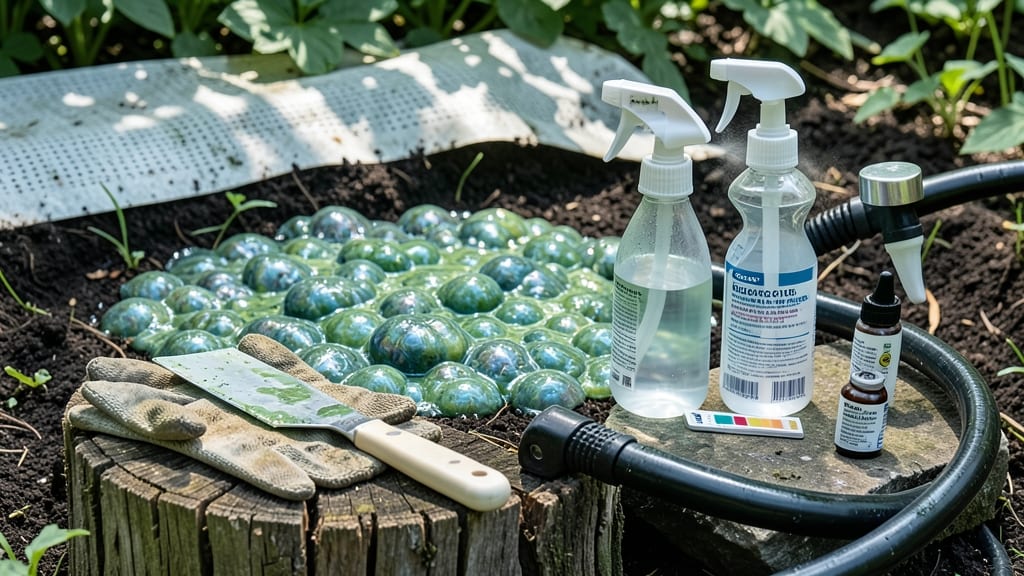
How to get rid of nostoc algae—that stubborn, murky green carpet choking your pond—requires more than a quick fix. I’ve battled this tenacious invader for years, and boiling water isn’t just a temporary solution—it’s the secret weapon for permanent clarity that keeps coming back. The problem starts with excess nutrients or stagnant water, letting nostoc spread like a blanket. Most solutions fail because they don’t address the root cause—your pond’s ecosystem imbalance. Boiling water kills the algae on contact while creating a natural barrier that prevents regrowth, unlike chemical treatments that harm fish and plants. By the end, your water will be crystal clear, and the algae won’t return if you combine this method with barley straw or beneficial bacteria. No more scraping slimy mats or watching your pond turn into a swamp. Works for koi ponds, small water gardens, and even rainwater collection systems. Here’s how to do it right—without harming your aquatic friends.
Root Causes Of Nostoc Blooms
Nostoc algae—those unsightly, slimy green or black mats—don’t just appear out of nowhere. This cyanobacteria thrives under specific conditions, often turning your pond into a murky, algae-infested mess. Understanding why it happens is the first step to stopping it for good. Let’s break down the science behind these stubborn blooms.
Nostoc algae are nutrient hogs. When your pond has excess nitrogen and phosphorus, these cyanobacteria go into overdrive, multiplying rapidly. Here’s how it happens:
- Runoff from lawns/fertilizers: Rain washes nitrogen and phosphorus from grass clippings, pet waste, or synthetic fertilizers into your pond, creating a buffet for Nostoc.
- Decaying organic matter: Dead plants, fish waste, and fallen leaves decompose, releasing nutrients that fuel algae growth.
- Overstocked fish ponds: Too many fish = more waste = more nutrients = more algae. A single goldfish can produce enough waste to feed a colony of Nostoc!
💡 Pro Tip: Test your pond water for nutrient levels (nitrates, phosphates) before treating it. If levels are high, you’ll need to address the source—like reducing fertilizer use or adding a barley straw barrier to naturally absorb excess nutrients.
Nostoc loves heat. When water temperatures rise above 70°F (21°C), these algae enter hypergrowth mode. Here’s why:
- Slow-moving or stagnant water: Ponds with little circulation trap heat, creating a warm, algae-friendly environment.
- Shallow edges: Sunlight penetrates easily in shallow areas, giving Nostoc the energy it needs to photosynthesize and spread.
- Long summer days: Extended sunlight (10+ hours) supercharges algae production, especially in eutrophic (nutrient-rich) ponds.
🌡️ Actionable Fix: Install a pond aerator or water fountain to improve circulation and keep temperatures stable. Shade cloth or floating plants (like water hyacinths) can also block excess sunlight.
Nostoc thrives in calm, stagnant water because it allows nutrients to concentrate while preventing natural predators (like certain bacteria or zooplankton) from keeping it in check. Key triggers include:
- Lack of water movement: Ponds without fountains, filters, or natural currents create dead zones where algae mat forms undisturbed.
- Clogged filters or pumps: If your filtration system fails, organic debris builds up, smothering beneficial microbes that would otherwise compete with Nostoc.
- No beneficial bacteria: Healthy ponds have nitrifying bacteria that break down harmful nutrients. Without them, Nostoc takes over.
⚡ Quick Solution: Add a solar-powered pond fountain or a DIY air stone to keep water moving. Even a small water feature disrupts Nostoc’s ability to form thick mats.
Nostoc algae prefer alkaline conditions (pH 7.5–9.0). If your pond’s pH creeps too high, it signals to these cyanobacteria: “All systems go!” Common causes:
- Limestone or concrete ponds: These materials leach calcium and raise pH over time.
- Alkaline water sources: Well water or municipal tap water with high mineral content can push pH up.
- Decaying organic matter: As plants and fish waste break down, they release ammonia, which can later convert to nitrites and raise pH.
📊 Test & Adjust: Use a pH test kit to check levels. If pH is above 8.0, add pond acid (like muriatic acid or aluminum sulfate) to lower it gradually. Aim for 6.5–7.5 to discourage Nostoc.
Now that you know why Nostoc algae takes over, the next step is how to starve it out—starting with a boiling water barrier for long-term clarity. 🔥
Tackle Nostoc Algae Now
Nostoc algae can turn your pond into a murky eyesore, but with the right approach, you can reclaim its clarity—and keep it that way.
Below, we’ve mapped out targeted solutions based on the root causes (nutrient overload, stagnant water, or poor filtration) so you can act fast and prevent regrowth. Let’s dive in!
Nostoc thrives on excess nutrients like nitrogen and phosphorus—often from fish waste, decaying plants, or runoff. Starve it out with these steps:
🍳 Reduce Fish Population (If Overcrowded)
- Test first: Use a pond water test kit to confirm nutrient spikes (aim for <30 ppm nitrates, <0.5 ppm phosphates).
- Thin out fish: If your pond is overstocked, relocate or rehome excess fish.
A general rule: 1 inch of fish per 10 square feet of surface area. - Feed smarter: Use high-quality fish food (low in phosphorus) and avoid overfeeding. Remove uneaten food within 24 hours.
👨🍳 Add Beneficial Bacteria & Barley Straw
- Barley straw: Soak or spread 1 pound per 100 square feet in your pond.
It releases natural compounds that inhibit algae growth over time (takes ~4–6 weeks to work). - Microbe boosters: Add pond-safe bacteria (like Microbe-Lift or Pond-Zyme) to break down organic waste. Follow package instructions for dosing.
🥘 Install a UV Clarifier
- A UV light system (20–30 watts for most ponds) zaps algae cells, including Nostoc, before they multiply. Run it 24/7 for best results.
- Pro tip: Pair it with a protein skimmer to remove dead algae debris.
Nostoc loves slow-moving or still water. Get circulation going to disrupt its growth cycle:
⏰ Add a Fountain or Aerator
- Air pumps + diffusers: Install an air stone or fountain to create movement. Aim for at least 1 bubble per square foot of surface area.
- Waterfall feature: If possible, add a small waterfall or recirculating pump.
The turbulence blocks sunlight penetration, which Nostoc needs to grow.
🔪 Manual Removal (For Immediate Relief)
- Scoop it out: Use a fine-mesh net or pond vacuum to physically remove mats.
Wear gloves—Nostoc can irritate skin! - Rinse tools: Never dump Nostoc back into the pond or compost it (it can spread). Dispose of it in the trash or flush down a drain (if local laws allow). - 💡 Pro tip: Work on cloudy days to reduce stress on fish and plants.
A weak or dirty filter lets nutrients linger, feeding Nostoc. Upgrade or clean your system to break the cycle:
🔧 Upgrade Filtration Media
- Replace old media: Swap out spent filter pads or bioballs with zeolite (absorbs ammonia) or ceramic rings (increases surface area for beneficial bacteria).
- Add a media reactor: For larger ponds, a trickle filter or sponge filter can improve nutrient breakdown.
🌡️ Shock the System (Deep Clean)
- Partial water change: Remove 20–30% of water and replace it with dechlorinated tap water (use a conditioner like Seachem Prime).
- Clean mechanical filters: Rinse physical filters (foam, sponge) in pond water (never tap water—it kills good bacteria).
- 🎯 Pro tip: Do this after manual algae removal for maximum impact.
Once Nostoc is gone, keep it away with these habits:
- 📊 Test water weekly: Monitor nitrates, phosphates, and pH (ideal: 6.5–8.5).
Adjust with algae control products (like Pond Clear) if needed. - 🌿 Plant aquatic plants: Submerged plants (hornwort, anacharis) and floating plants (water hyacinth, duckweed) compete with Nostoc for nutrients. - 🚫 Avoid fertilizers near ponds: Use organic, slow-release fertilizers far from water sources to prevent runoff. - 🔄 Seasonal maintenance: Fall/winter: Remove dead plant matter. Spring: Shock the pond with beneficial bacteria before warm weather hits.
Final Note: For persistent cases, consider a boiling water treatment (as mentioned in the article title)—pour 200°F water along the pond edges to kill Nostoc spores. Do this in early morning to minimize fish stress.
Now, roll up your sleeves—your crystal-clear pond is within reach! 💦
Frequently asked questions about Nostoc algae removal
Why does nostoc algae keep coming back after I treat it?
Nostoc thrives on excess nutrients like nitrogen and phosphorus in your pond. Simply removing the algae doesn't address the root cause. You'll need to reduce fish population, add barley straw (1 lb per 100 sq ft), and improve water circulation to starve it out long-term. Without these steps, the algae will just regrow from dormant spores.
Is boiling water safe for my fish when treating nostoc?
Boiling water should only be applied to pond edges and shallow areas, not directly where fish live. Pour it in early morning when water temperatures are cooler, and use 200°F water (not full boil) to minimize stress. Always monitor fish behavior afterward. For deeper ponds, use a UV clarifier instead.
Can I use vinegar or hydrogen peroxide to kill nostoc algae?
Neither is recommended for ponds. Vinegar will lower pH dangerously and harm aquatic life, while hydrogen peroxide breaks down too quickly to be effective against nostoc. Stick to barley straw, beneficial bacteria, or mechanical removal for safe results. Always choose pond-specific treatments.
How do I know if my pond has nostoc vs. regular green algae?
Nostoc forms thick, slimy mats that often appear green, black, or brown, while regular algae grows as floating green flakes. Nostoc also sticks to surfaces and can smell musty. Test your water—nostoc thrives in high pH (7.5-9.0) and warm temperatures.
Will adding more plants actually help control nostoc?
Yes! Submerged plants (like hornwort) and floating plants (water hyacinth) compete with nostoc for nutrients and block sunlight. Just avoid overcrowding—too many plants can create shade that also benefits nostoc. Aim for a 30% plant coverage balance.