
How To
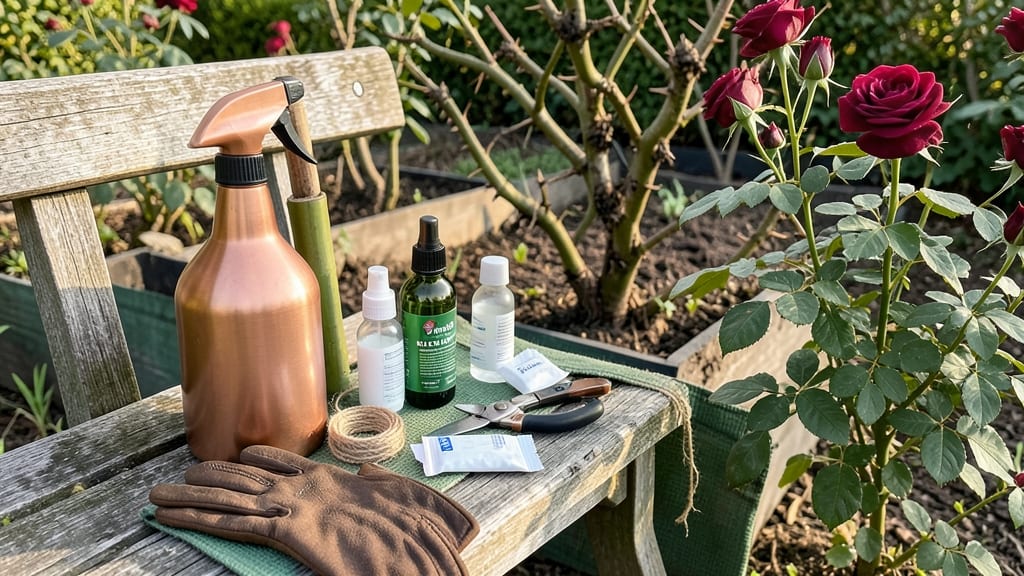
How to get rid of rust on roses—those orange pustules on your leaves are a fungal nightmare, and they’re worse than they look. 🌿 I’ve battled this disease for years, and the vinegar soak method I’ll share today clears up infections faster than store-bought sprays. The key is acting early, before the spores spread to every petal.
Rust thrives in damp, shady conditions, so improving airflow and watering at the base (not overhead) cuts off its favorite growing conditions. Most gardeners overlook pruning infected leaves—remove them completely and dispose of them in the trash (not compost), or the spores will reinfect your roses next season.
Within 24 hours of treatment, you’ll see yellowing slow and new growth emerge. The vinegar solution (1 part white vinegar to 3 parts water) disrupts fungal cell walls without harming your roses—just spray in the early morning when leaves are dry. Repeat every 7-10 days until the rust disappears.
For long-term prevention, choose disease-resistant varieties like ‘Knock Out’ or ‘Dr. Huey,’ and space plants 3-4 feet apart to ensure sunlight reaches all foliage. The rust won’t stand a chance when your roses have the right growing conditions—and your pruners ready.
The Hidden Triggers Behind Rusty Roses
Rust on roses isn’t just an unsightly blemish—it’s a fungal infection that thrives under the right conditions. Understanding why it happens is the first step to stopping it in its tracks.
Below, we break down the key culprits behind rust infestations, from environmental factors to plant weaknesses, so you can address the root cause (literally!).
Rust spores (Phragmidium mucronatum) love damp, humid conditions—think of them as fungal snowflakes waiting for the perfect storm. Here’s why moisture fuels the problem:
- Overnight dew or rain: Leaves stay wet for more than 6 hours, giving spores ideal conditions to germinate and infect. Rust thrives in temperatures between 60–75°F (15–24°C), so spring and fall are peak seasons.
- Poor soil drainage: Waterlogged roots weaken the plant, making it more susceptible to fungal attacks. Compacted or clay-heavy soil traps moisture at the roots, signaling the fungus to strike.
- Overhead watering: Splashing water onto leaves (especially in the evening) spreads spores like confetti. Unlike roots, leaves aren’t designed to dry quickly, creating a fungal buffet.
Pro tip: 💡 Water at the base of the plant in the morning to let leaves dry before nightfall. If your soil drains poorly, amend it with compost or perlite to improve airflow.
Rust doesn’t just appear out of nowhere—it targets roses that are already stressed. Here’s how poor plant health invites the infection:
- Overcrowded bushes: Poor air circulation traps humidity and spores. When roses grow too close, leaves rub together, creating micro-wounds that fungi exploit like an open invitation.
- Nutrient deficiencies: Roses low in nitrogen, phosphorus, or zinc have thinner, weaker leaves—easy targets for rust. Yellowing leaves (chlorosis) or stunted growth are red flags.
- Physical damage: Pruning cuts, hail, or pests (like aphids) create entry points for spores. Even windburn can stress leaves enough to trigger an infection.
Action step: 🌿 Prune roses in early spring to improve airflow, and fertilize with a balanced rose-specific formula (look for 10-10-10 or 5-10-5 NPK ratios). Space bushes 3–4 feet apart to reduce humidity pockets.
Rust spores are lightweight and travel easily—they can hitch a ride on tools, wind, or even your shoes. Here’s how they jump from one plant to another:
- Dirty pruners or shears: Cutting infected branches without sterilizing tools spreads spores to healthy roses. A single snip can contaminate multiple plants in your garden.
- Wind or rain splatter: Spores can travel up to 50 feet in windy conditions. If your neighbor’s roses have rust, yours might be next unless you take precautions.
- Infected mulch or compost: Old plant debris left in the garden can harbor dormant spores, ready to reactivate when conditions are right.
Prevention hack: ✨ Sterilize pruners with 70% isopropyl alcohol or a 10% bleach solution between cuts. Remove all fallen leaves and debris from the base of roses—burn or bag them (don’t compost them!).
Rust isn’t picky—it just needs the right weather. These conditions create the perfect storm:
| Factor | Why It Matters | What to Watch For |
|---|---|---|
| High humidity (60%+) | Spores germinate faster in moist air, especially at night. | Foggy mornings, poor airflow in greenhouses. |
| Mild temperatures (60–75°F) | Fungal growth slows below 50°F or above 85°F, but rust thrives in this sweet spot. | Spring and fall outbreaks are most common. |
| Sudden rain after dry spells | Dust and debris on leaves create a sticky film that spores latch onto. | Check leaves after a light rain—rust may appear in 3–5 days. |
Climate workaround: 🌡️ If you live in a humid area, mulch with pine straw or gravel (not organic mulch) to reduce soil moisture. In dry climates, water deeply but infrequently to avoid sudden humidity spikes.
Now that you know the why, the next step is how to kick rust to the curb—starting with that vinegar soak that works in minutes. But first, remove the conditions that invited it in the first place!
How to Fix Rusty Roses Fast
Rust on roses isn’t just unsightly—it can weaken your plants if left unchecked. The good news? With the right tools and a little elbow grease, you can reverse the damage and protect your roses for future blooms.
Below, we’ve mapped out targeted fixes based on the most common causes, plus prevention tips to keep rust at bay. Let’s get those roses looking vibrant again!
Rust spores thrive in damp, shady conditions, turning rose leaves into a patchwork of orange pustules. Here’s how to stop the spread and revive your plants:
🔥 Step 1: Remove Infected Parts
- Prune away all rust-covered leaves, stems, and buds—don’t compost them (spores can reinfect!). Drop them in a sealed plastic bag instead.
- Use sterilized pruners (wipe with rubbing alcohol between cuts) to avoid cross-contamination.
🍳 Step 2: Apply a Vinegar Soak (Natural & Effective)
A 1:1 vinegar-water mix (white vinegar or apple cider vinegar) disrupts fungal spores while being gentle on plants.
- Mix: 1 part vinegar + 1 part water + 1 tsp mild dish soap (helps it stick).
- Spray: Drench both sides of leaves and stems thoroughly.
Repeat every 7–10 days until rust disappears. - Pro Tip: 💡 Best applied in the early morning so the vinegar has time to dry before evening humidity sets in.
👨🍳 Step 3: Boost Plant Immunity
Rust-stressed roses need a nutrient boost to recover faster:
- Fertilize with a balanced, organic fertilizer (like fish emulsion or compost tea) to strengthen foliage.
- Water at the base (not overhead) to keep leaves dry—a fungal spores’ worst nightmare.
⏰ Step 4: Prevent Recurrence
- Improve airflow: Thin out crowded branches or move pots to sunnier, drier spots.
- Clean up debris: Remove fallen leaves and mulch regularly (rust spores love hiding there).
- Space plants 18–24 inches apart to reduce humidity bucks.
If your roses are soggy at the roots, fungal rust can take hold faster. Here’s how to drain the problem away:
🔪 Step 1: Check the Soil
- Stick your finger 2 inches into the soil—if it’s damp after 24 hours, you’re overwatering.
- Fix: Let the top 1–2 inches of soil dry out between waterings. Stick to deep, infrequent watering (early morning is ideal).
🌧️ Step 2: Improve Drainage
- Amend heavy clay soil with perlite or sand to help water drain.
- Raise containers off the ground with pot feet or bricks to prevent waterlogging.
🎯 Step 3: Adjust Watering Habits
- Water at the base, not the leaves, to avoid fungal splash zones.
- Use drip irrigation or soaker hoses instead of sprinklers.
✨ Prevention Tip:
- Mulch properly: Use 2–3 inches of organic mulch (like straw or wood chips) to regulate soil moisture—but keep it 6 inches away from the stem to prevent rot.
Stressed roses (from pests, poor soil, or transplant shock) are rust magnets. Rebuild their resilience with these steps:
💪 Step 1: Test Your Soil
- pH matters! Rust thrives in acidic soil (pH < 6.0). Test your soil with a DIY kit (available at garden centers).
- Adjust pH by adding lime (to raise pH) or sulfur (to lower pH) as needed.
🥗 Step 2: Feed with Essential Nutrients
Rust-loving roses often lack iron, zinc, or nitrogen. Give them a quick fix:
- Iron supplement: Use chelated iron (like Iron Chelate) for yellowing leaves.
- Nitrogen boost: Try blood meal or alfalfa pellets to promote lush, rust-resistant growth.
🍎 Step 3: Protect from Pests
- Aphids and spider mites weaken roses, making them rust-prone. Blast them off with a strong spray of water or use neem oil (1 tsp per quart of water, spray weekly).
🌟 Prevention Tip:
- Transplant carefully: If moving roses, water deeply 1–2 days before and after to reduce shock.
- Avoid over-fertilizing with phosphorus (like bone meal)—it can encourage fungal growth.
If more than 50% of leaves are infected, act fast to save the plant:
- Prune aggressively: Cut back all rusty growth—even if it means sacrificing some blooms.
- Apply fungicide: Use a copper-based fungicide (like Bordeaux mixture) or baking soda spray (1 tbsp baking soda + 1 quart water + a drop of soap).
- Isolate the plant: Move it away from other roses until rust is gone to prevent spread.
- Monitor closely: Check daily for new spores and reapply treatments as needed.
✅ Choose resistant varieties: Opt for rust-resistant roses like ‘Knock Out’ or ‘Dr. Huey’. ✅ Space plants properly (18–24 inches apart) for airflow. ✅ Water wisely: Early morning, at the base, and avoid overhead sprinklers. ✅ Clean tools & garden beds regularly to remove spores. ✅ Mulch correctly (2–3 inches, away from stems) to balance moisture.
Remember: Rust on roses is manageable—but the key is speed. The sooner you act, the quicker your roses will bounce back. With these fixes, your garden will be rust-free and blooming beautifully in no time! 🌹✨
Frequently asked questions
Can I use vinegar on roses with rust every day?
No, daily applications can harm your roses. The vinegar solution (1:1 ratio) should be applied every 7–10 days until the rust disappears. Always spray in the early morning so the leaves have time to dry before evening humidity sets in.
Will rust on roses kill my plants?
Not necessarily, but severe infections can weaken roses over time. If left untreated, rust reduces photosynthesis, causing yellowing leaves and stunted growth. Act fast by pruning infected parts and applying fungicides to prevent long-term damage.
How do I know if my rose rust is spreading?
Check for new orange pustules on both sides of leaves and stems. Rust spreads quickly in humid conditions, so if you see more than 10% new growth infected within 7 days, isolate the plant and increase treatment frequency.
Are chemical fungicides better than vinegar for rust?
Chemical fungicides (like copper-based sprays) work faster but can harm beneficial insects. Vinegar is a natural, cost-effective alternative that disrupts fungal spores without chemicals. For severe cases, combine both: use vinegar weekly and fungicide every 2 weeks.
Can I save rust-infected rose cuttings?
No, never use cuttings from rusty roses—the spores will spread to new plants. Instead, propagate from healthy, rust-free branches. Sterilize your pruners with rubbing alcohol between cuts to prevent contamination.