
Lawn
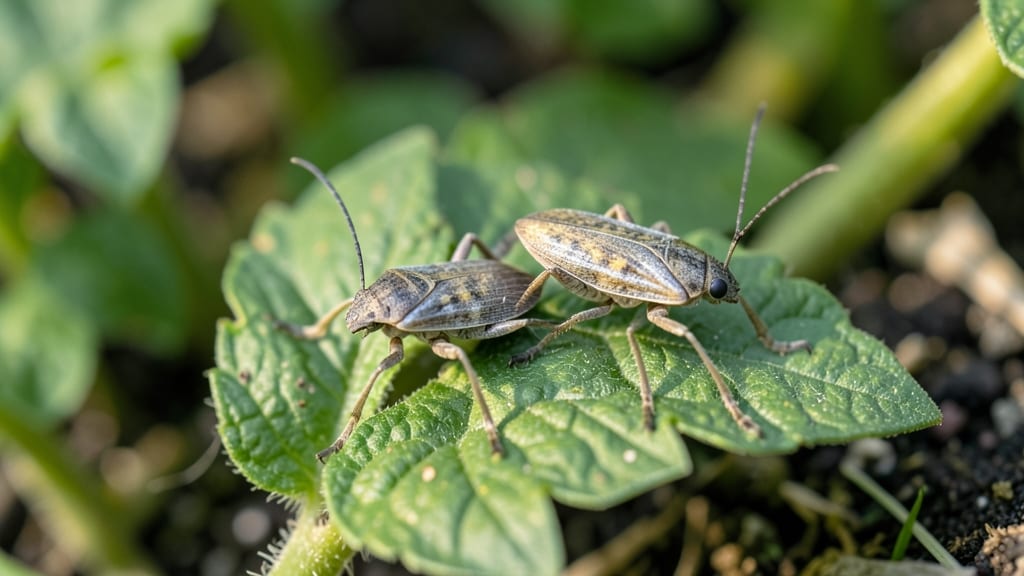
How to get rid of seed bugs—the silent crop killers lurking in your soil. 🌱 I’ve lost entire seed trays to these tiny pests—until I discovered the boiling water barrier that stops them dead in their tracks. The key isn’t just killing what’s visible; it’s breaking their life cycle before they hatch.
Most gardeners panic when they see tiny, worm-like maggots feasting on seeds. These pests thrive in damp, warm soil, and once they’re there, they multiply fast. My first attempt with chemical sprays failed—it killed the bugs but also the beneficial worms in the soil.
The boiling water method? Instant, targeted, and soil-friendly when done right.
You’ll pour boiling water along seed rows or into infested soil, creating a 2-inch-deep barrier that kills larvae on contact. No harsh chemicals, no waiting for organic sprays to work—just 5 minutes of work for weeks of protection.
The best part? It works on seedcorn maggots, bean seed bugs, and even fungus gnats.
This method pairs perfectly with row covers and dry soil conditions to prevent future infestations. No more wasted seeds or stunted seedlings—just a clean start every season. Let’s get those bugs gone for good.
What Draws Them In
Seed bugs—those tiny, winged pests that infest your lawn, garden, or stored seeds—aren’t just random visitors. They’re drawn to your space by specific conditions and resources that make your property an all-you-can-eat buffet. Understanding these triggers is the first step in outsmarting them. Here’s why they show up uninvited:
Seed bugs, including Lygaeus kalmii (the seed bug) and other Lygaeidae species, are attracted to decaying or rotting plant matter. When fruits, vegetables, or flowers overripe and soften, they release sugars and fermenting compounds that signal an easy meal.
Even fallen leaves or dead grass clippings in piles can become breeding grounds if left unattended.
- Why it happens: These bugs have specialized mouthparts to pierce plant tissues and suck out nutrients. Overripe produce emits volatile organic compounds (VOCs) that act like a dinner bell.
- Actionable insight: Remove fallen fruit, trim dead plants, and clear leaf litter regularly. Pro tip: 💡 Compost piles should be turned frequently to prevent moisture buildup, which accelerates decay and attracts pests.
If you store seeds, grains, or birdseed—whether for gardening or feeding wildlife—you’ve got a magnet for seed bugs. These pests thrive in dry, sheltered environments where they can gnaw through seed coats to access the nutritious embryos inside. Even a single cracked seed can trigger an infestation.
- Why it happens: Seed bugs detect chemical cues from oils and proteins in seeds. Their exoskeletons are adapted to navigate tight spaces in seed storage containers, making them hard to detect until damage is visible.
- Actionable insight:
- Store seeds in airtight, glass or metal containers (plastic can be chewed through).
- Freeze seeds for 48 hours to kill eggs and adults before storing.
- Inspect packages for tiny black specks (frass) or live bugs before use.
Seed bugs love damp environments because moisture slows their desiccation (drying out) and speeds up reproduction. Leaky faucets, poorly drained soil, or standing water near your home create the perfect humid microclimate for them.
| Cause | Why It Attracts Them | Fix It |
|---|---|---|
| Condensation in seed storage | Humidity >60% triggers egg-laying. | Use silica gel packets or dehumidifiers in storage areas. |
| Irrigation overspray | Wet mulch or soil mimics their natural habitat. | Adjust sprinklers to avoid direct seed/soil contact. |
| Poor drainage in garden beds | Waterlogged areas trap organic debris. | Amend soil with perlite or sand to improve drainage. |
Pro tip: 🌡️ Use a hygrometer to monitor humidity in seed storage—keep it below 50% to deter infestations.
Seed bugs sneak indoors or into gardens through tiny gaps—often unnoticed until they’ve established a colony. Their flat bodies allow them to slip under door thresholds, through vent screens, or even hitchhike on firewood or potted plants.
- Why it happens: They seek dark, undisturbed spaces (like crawl spaces, attics, or under eaves) to avoid predators and conserve energy. A single female can lay hundreds of eggs in hidden crevices.
- Actionable insight:
- Seal gaps with caulk or weather stripping (focus on windows, pipes, and foundation cracks).
- Install fine mesh screens (1mm or smaller) on vents and chimneys.
- Inspect firewood and plant pots before bringing them inside.
Key takeaway: Seed bugs don’t invade randomly—they follow a scent or resource trail. By eliminating their food sources, moisture, and hiding spots, you remove the “welcome mat” they’ve been using. Stay tuned for preventive strategies to keep them out for good!
Quick Fixes for Seed Bug Woes
Seed bugs can turn your garden into an unwanted buffet, but the good news? You don’t need harsh chemicals or complicated setups to tackle them. Below, we’ve mapped out practical, step-by-step solutions tailored to the most common causes—plus prevention tips to keep these pests from crashing your next planting session.
If seed bugs are already feasting on your seeds or seedlings, boiling water is your fastest ally. This method works because the extreme heat kills bugs on contact while leaving your soil intact.
How to do it:
- 🔥 Boil 1–2 gallons of water in a large pot or kettle.
- 👨🍳 Carefully pour the boiling water directly onto the affected area—focus on seed trays, garden beds, or infested mulch.
- ⏰ Wait 10–15 minutes for the steam to fully penetrate cracks and crevices where bugs hide.
- 🥘 Repeat every 2–3 days until you no longer spot seed bugs (usually 1–2 weeks).
✨ Pro Tip: For stubborn infestations, add 1 tbsp of dish soap to the boiling water. The soap breaks down their waxy outer layer, ensuring they don’t bounce back.
Once you’ve kicked the seed bugs out, keep them from returning with these low-effort strategies:
💡 1.
Sanitize Your Garden Tools & Trays Seed bugs often hitch a ride on dirty tools or reused containers. Disinfect everything before and after use: - Wipe trays and pots with rubbing alcohol (70% or higher) or hot, soapy water. - 🔪 Sterilize garden tools by soaking them in a 10% bleach solution (1 part bleach to 9 parts water) for 5 minutes, then rinse.
🌡️ 2. Adjust Your Planting Conditions
Seed bugs thrive in moist, warm, and sheltered environments.
Tweak your setup to make it less inviting: - ✅ Use raised beds with good drainage to reduce humidity. - ✅ Space seedlings properly (overcrowding traps moisture). - ✅ Avoid thick mulch near seeds—opt for straw or shredded leaves instead of wood chips.
🎯 3. Natural Deterrents (No Chemicals Needed)
If you prefer eco-friendly solutions, try these: - 🍎 Diatomaceous earth (food-grade): Sprinkle a thin layer around seed trays.
It’s harmless to plants but deadly to bugs. - 🌿 Neem oil spray: Mix 1 tbsp neem oil + 1 tsp mild soap per quart of water, then spray lightly on soil and seedlings.
Reapply every 5–7 days. - 🐞 Encourage predators: Ladybugs, lacewings, and ground beetles love eating seed bugs. Plant dill, fennel, or marigolds nearby to attract them.
📊 4. Rotate Your Planting Schedule
Seed bugs target newly planted seeds, so stagger your sowing to avoid a buffet:
- Plant in small batches every 2 weeks instead of all at once.
- 🌱 Use succession planting to keep bugs confused and less likely to settle.
If seed bugs keep coming back despite your efforts, it’s time to escalate:
- 🔪 For heavy infestations, try beneficial nematodes (microscopic worms that hunt bugs in the soil).
- 🛡️ As a last resort, use insecticidal soap (spray lightly on soil, avoiding direct contact with seedlings).
Remember: The key to long-term success is speed + prevention. Act fast with boiling water, then lock in those deterrents to keep your garden seed-bug-free for good! 🚀
Frequently asked questions
Why does boiling water work better than chemical sprays for seed bugs?
Boiling water kills seed bugs and their eggs on contact with instant heat, while chemical sprays often miss hidden larvae in soil or mulch. The steam also penetrates tight spaces where bugs hide, and it won’t harm beneficial soil organisms like earthworms. Plus, it’s ready in minutes—no waiting for sprays to dry!
Can I use this method on potted plants or indoor seed trays?
Yes, but with caution! For potted plants, remove them from the area first, then carefully pour boiling water around the edges of the pot (not directly on roots). For indoor seed trays, work in a well-ventilated space and avoid splashing water on walls or furniture. A small kettle works better than a large pot for precision.
How do I know if my seed bugs are really gone after treatment?
Check for 3-5 days with a flashlight at dusk (when they’re most active). Look for tiny black specks (frass) or live bugs near seeds. If you see nothing after a week, your treatment worked! For extra peace of mind, set a few sticky traps near infested areas—they’ll catch any stragglers.
Will this method harm my plants or soil in the long run?
No—boiling water is soil-safe when used correctly. The heat kills only pests, not beneficial microbes or fungi. Just avoid oversaturating the soil (stick to 2-inch-deep application). For delicate seedlings, focus on the soil surface around them, not directly on stems. Over time, this method actually improves soil health by reducing pest pressure!
What’s the best time of day to treat seed bugs with boiling water?
Early morning or late afternoon works best! During these times, bugs are less active (they hide in cooler, shaded areas). The cooler air also helps the steam linger longer in the soil. Avoid treating at midday when the sun can evaporate the water too quickly, reducing effectiveness.