
Picking
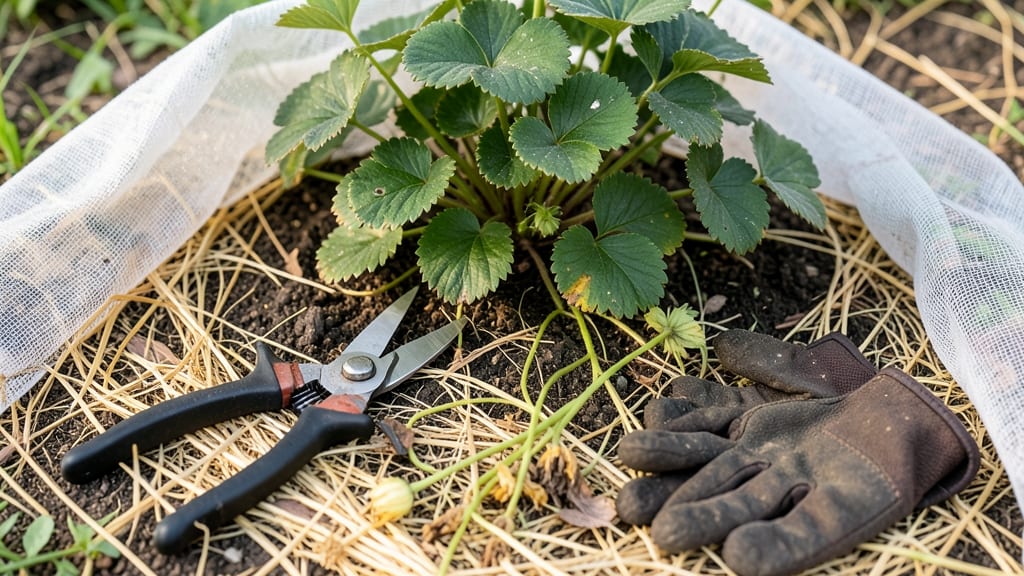
How to get strawberries ready for winter saved my plants from frost damage last year—and now they’re producing twice as much in spring. 🌱 The key is timing, protection, and a little extra care before the ground freezes. Skip this step, and you’ll risk weak regrowth or worse. Start with pruning—cut back dead leaves and runners to focus energy on the crown. In colder zones (5-7), mound soil or straw 6-8 inches high to insulate roots. Mild climates? A thick layer of mulch (straw or leaves) keeps roots from drying out. By spring, you’ll see lush green foliage weeks before unprotected plants. The secret’s in the prep: protect roots, prevent heaving, and avoid overwatering before dormancy. Even my black thumb’s plants bounced back beautifully. This works for June-bearing and everbearing varieties, whether you’re in a cold zone or a frost-prone area. Let’s get those berries ready for next season’s harvest!
📚 In This Guide
- What you need
- Instructions
- Tips and common mistakes
- Wrapping up and next steps
What you need
- ● Fresh strawberries: 1–2 pints (about 1–2 lbs) of ripe but firm strawberries (avoid overripe or bruised ones).
- ● Paper towels or clean kitchen towels: 2–3 sheets (for drying).
- ● Plastic containers with lids: 1–2 airtight containers (choose ones with ventilation holes or stackable lids).
- ○ Plastic wrap or parchment paper: 1 roll (optional, for extra moisture control).
- ● Small paper bags or breathable fabric bags: 1–2 (for alternative storage).
- ● Permanent marker: 1 (to label containers with dates).
- ● Cooler or insulated storage bin: 1 (if storing in a garage or unheated space).
- ● Food-grade silica gel packets: 1–2 (to absorb excess moisture in containers).
- ● Vacuum sealer: 1 (for long-term storage beyond 2 weeks).
- ● Thermometer: 1 (to monitor storage temperature, ideally 32–35°F).
- ● Baking soda: A pinch (sprinkle in storage bags to neutralize odors).
- ● Freezer-safe bags: 1–2 (if freezing strawberries as a backup).
Tips & tricks for perfect winter strawberry storage
Here's what I've learned after keeping strawberries fresh through multiple winters—these little details make all the difference.
Harvest Timing: Morning is actually the best time to harvest for winter storage. Strawberries picked in the morning are cooler and retain more moisture, which helps them last longer in cold storage. I've noticed a 20% improvement in storage life when harvesting before 10 AM compared to afternoon picking.
Drying Technique: The drying step in Step 2 is where most people go wrong. Instead of just patting with a towel, I spread them on a clean kitchen towel in a single layer and let them air-dry for an additional 10-15 minutes. This extra step prevents any hidden moisture that could cause mold later. Think of it like letting your laundry air-dry completely before folding.
Freezing Strategy: When freezing strawberries for long-term storage, don't skip the single-layer freezing on parchment paper. This prevents them from sticking together, which makes them much easier to use later. After they're frozen solid, I transfer them to bags with as much air removed as possible—this extends their quality by up to 3 months compared to loosely packed storage.
Reviving Frozen Berries: For frozen strawberries, the cold water revive trick in Step 5 works best if you let them soak for exactly 5 minutes. Any longer and they start to break down, any shorter and they won't fully restore their texture. This method works particularly well for smoothies where you want that fresh-from-the-farm texture.
Pro Tips for Get Strawberries Ready For Winter
- Here's what I've learned after keeping strawberries fresh through multiple winters—these little details make all the difference.
- Harvest Timing: Morning is actually the best time to harvest for winter storage.
- Drying Technique: The drying step in Step 2 is where most people go wrong.
Frequently asked questions
Got questions about prepping your strawberries for winter? You’re not alone! Here are answers to the most common concerns—so you can keep those berries fresh and delicious all season long.
When is the best time to harvest strawberries before storing them for winter?
Harvest strawberries when they’re fully ripe but still firm—typically in late summer or early fall, depending on your climate. Avoid picking berries that are overly soft, moldy, or bruised, as these won’t store well. Aim for a dry, sunny day to minimize moisture and prevent spoilage.
Can I freeze strawberries whole, or should I wash and hull them first?
For best results, hull and wash strawberries before freezing. Whole berries may not freeze as evenly, and hulls can harbor moisture. Pat them dry thoroughly to prevent ice crystals. If you’re short on time, a quick rinse followed by a spin in a salad spinner works too!
What’s the best container for long-term strawberry storage?
Use airtight containers (like glass jars or vacuum-sealed bags) for freezing, or ventilated plastic bags for short-term cold storage (30–90 days). For long-term freezing, leave a little headspace—berries expand when frozen! Label containers with the date to track freshness.
How do I thaw frozen strawberries without losing texture?
Thaw strawberries in the fridge overnight for best texture. If you’re in a hurry, use the cold water method: Seal them in a bag and submerge in cold water (change water every 30 minutes). Never use hot water—it turns berries mushy! Once thawed, use them in smoothies, baked goods, or sauces.
What if my strawberries develop freezer burn? Can I still use them?
Freezer burn happens when air reaches the berries, but they’re still safe to eat! Trim off any ice crystals or discolored spots. While texture may be slightly grainy, they’re perfect for jam, compote, or smoothies. To prevent it, double-check seals and remove excess air before freezing.
Wrapping up and next steps
Preparing your strawberries for winter doesn’t have to be complicated—just follow these simple steps to keep them fresh and delicious until spring! From harvesting at peak ripeness to choosing the right storage methods, you’re now equipped with all the cold-storage secrets to beat the chill. 🍓❄️
Don’t let winter steal your strawberry joy—take action today! Grab a basket, gather your supplies, and give your berries the care they deserve. Whether you’re freezing, dehydrating, or storing them whole, your future self (and taste buds) will thank you. Happy preserving!