
Pests
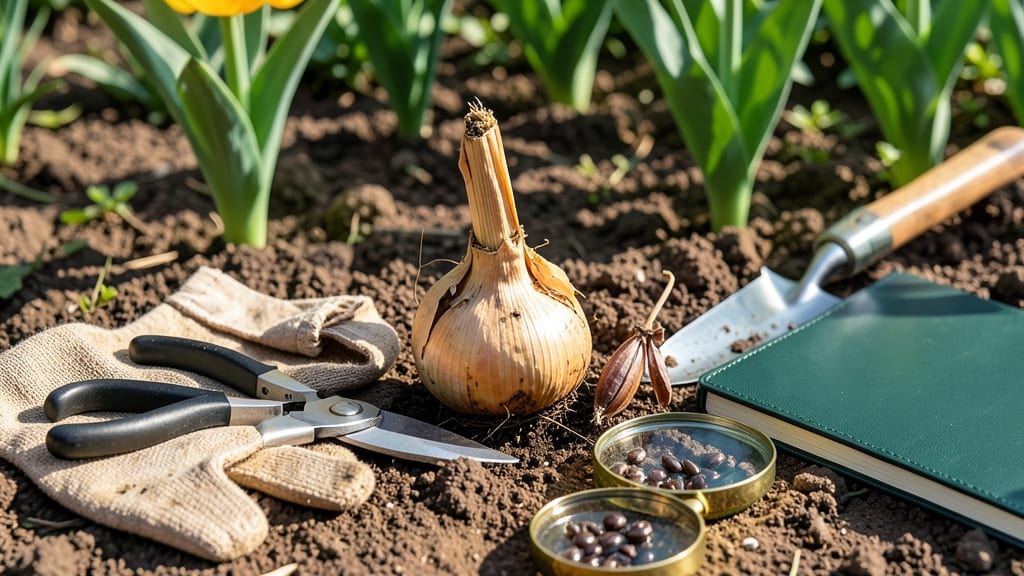
How to get tulip seeds won’t guarantee the blooms you adore—but they’re still worth growing. 🌱 I’ve tried collecting them from spent tulips, and while the process is fascinating, the results are unpredictable. Most hybrid tulips won’t grow true to type, but heirloom varieties can produce stunning, unexpected flowers over time.
Your best bet is to buy seeds from reputable suppliers (like Baker Creek or Johnny’s Selected Seeds) if you want reliable results. These seeds are often collected from open-pollinated varieties, meaning you’ll get a mix of colors and shapes—but that’s part of the fun!
Plant them in fall for spring blooms, or start indoors in late winter.
If you’re impatient (or just want tulips now), bulb division is a faster path. Dig up mature bulbs in summer, separate offsets, and replant them—they’ll bloom in just a year or two.
Seeds take 3-5 years to reach flowering size, so they’re more of a long-term experiment than a quick fix.
Store seeds in a cool, dry place until planting, and keep them in the fridge for up to a year if you’re not ready to sow. The key is patience—what you lose in speed, you gain in surprise. Happy growing!
📚 In This Guide
- What you need
- Instructions
- Tips and common mistakes
- Wrapping up and next steps
What you need
- ● Tulip seeds or bulbs: Choose heirloom or hybrid tulip seeds (if available) or healthy, disease-free bulbs (for seed extraction). Aim for 5–10 seeds/bulbs to maximize success.
- ● Well-draining potting mix: Use a blend of 50% peat moss or coco coir and 50% perlite or vermiculite (sterilized). Avoid garden soil—it’s too dense for tiny seeds!
- ● Seed-starting trays or small pots: Opt for 2–3 inch pots or cell packs (1 seed per cell) with drainage holes.
- ● Grow lights or a sunny windowsill: Tulip seeds need 12–16 hours of light daily. A full-spectrum LED grow light (or a south-facing window) works best.
- ● Misting bottle or spray nozzle: Keep seeds moist but not soggy—a fine mist works perfectly.
- ● Plastic wrap or humidity dome: Creates a mini greenhouse to retain moisture during germination.
- ● Patience (and a notebook!): Track planting dates, moisture levels, and growth progress.
- ● Seed stratification kit: If using fresh tulip seeds, a refrigerator (34–40°F) for 4–8 weeks mimics winter and boosts germination.
- ● Fungicide (like hydrogen peroxide or neem oil): Prevents mold in damp conditions.
- ○ Heat mat: Keeps soil 60–65°F for faster germination (optional but speedy!).
- ● Label markers: Avoid mix-ups—label seeds by type/date!
Step-by-Step instructions for collecting and germinating tulip seeds
Here's how I reliably collect tulip seeds and coax them through their tricky germination process.
🌱 Step 1: Harvest Mature Tulip Seed Pods
Wait until the tulip blooms completely fade and the seed pods turn brown and papery—this usually happens in late summer or early fall. Gently twist the dried pods from the stem when they're fully mature but before they split open naturally. Place them in a paper bag and let them dry indoors for 2-3 weeks to ensure full ripeness.
Don't rush this step. Green or partially dried pods won't produce viable seeds. You'll know they're ready when the pods open easily with just a gentle squeeze, revealing flat, brown seeds inside. Store the dried pods in a cool, dry place until you're ready to process them.
🌱 Step 2: Extract and Stratify Seeds
Open the dried pods and carefully remove the seeds, being mindful not to damage their outer coating. Tulip seeds require a cold stratification period to break dormancy—this mimics winter conditions. Place the seeds in a sealed plastic bag with slightly damp peat moss or coconut coir (about 1/4 inch deep), then refrigerate for 8-12 weeks.
Check the seeds weekly during stratification. If the moss dries out, mist it lightly with water—it should stay moist but not soggy. The cold treatment is critical; without it, seeds may never germinate. I like to label the bag with the date to track the 8-week minimum.
☀️ Step 3: Sow Stratified Seeds Indoors
After stratification, sow the seeds in 2-3 inch deep pots filled with sterile seed-starting mix. Plant them 1/4 inch deep and space them 1 inch apart to avoid overcrowding. Cover the pots with plastic wrap or a humidity dome to retain moisture and warmth.
Place the pots in a warm location with 65-70°F temperatures—this could be on top of your fridge or near a sunny window. Germination can take 4-8 weeks, so patience is key. Keep the soil consistently moist but never waterlogged; overwatering at this stage causes seed rot.
🌿 Step 4: Provide Light and Care for Seedlings
Once seedlings emerge, remove the plastic cover and move them to a bright location with indirect light. Avoid direct sunlight at first—young tulip seedlings are sensitive to intense light. Gradually introduce full sun over 1-2 weeks as they strengthen.
Thin the seedlings to 1 plant per pot when they reach 2 inches tall, keeping the strongest one. Fertilize lightly with a diluted balanced fertilizer (10-10-10) every 4-6 weeks during the growing season. Tulip seedlings grow slowly, so don't rush their development.
⏰ Step 5: Transplant and Overwinter Young Plants
After 12-18 months of growth, transplant the seedlings outdoors in early fall, about 6-8 weeks before your first frost. Choose a location with well-draining soil and full sun. Plant them 4-6 inches deep to encourage strong root development.
Tulip seedlings need time to establish roots before blooming. Don't expect flowers for at least 3-5 years—the first few years focus on building a strong bulb. Mulch around the base with 2-3 inches of organic mulch to protect the plants through winter.
Tips & tricks for reliable tulip seed germination
These insider strategies will help you navigate the delicate process of growing tulips from seed—where most gardeners give up.
Pod Ripeness Matters: The 2-3 week drying period in Step 1 is non-negotiable. I've tried rushing this step with green pods, and the seeds either fail to germinate or produce weak seedlings. Look for pods that open with gentle pressure—this indicates full maturity. Store them in a breathable paper bag to prevent moisture buildup, which can cause mold before you even begin stratification.
Stratification Precision: During the 8-12 week cold treatment in Step 2, maintain consistent moisture in the peat moss or coconut coir. I use a spray bottle to mist lightly every week, ensuring the medium stays damp like a wrung-out sponge. Too dry and the seeds won't break dormancy; too wet and they'll rot. The 8-week minimum is critical—don't skip this cold period, as tulip seeds need this simulated winter to trigger germination hormones.
Light Transition Strategy: In Step 4, when moving seedlings from plastic wrap to indirect light, I recommend a gradual transition over 1-2 weeks. Start with morning sun only, then gradually increase exposure. Tulip seedlings are particularly sensitive to sudden light changes, which can cause leaf scorch. Use sheer curtains to diffuse direct sunlight during the adjustment period.
Transplant Timing Secret: The 12-18 month growth period before transplanting might seem long, but it's essential for bulb development. I've found that seedlings transplanted too early often produce weak bulbs that fail to bloom. Time your transplant to early fall when soil temperatures are still warm enough for root establishment but cool enough to prevent stress before winter.
Pro Tips for Get Tulip Seeds
- These insider strategies will help you navigate the delicate process of growing tulips from seed—where most gardeners give up.
- Pod Ripeness Matters: The 2-3 week drying period in Step 1 is non-negotiable.
- Stratification Precision: During the 8-12 week cold treatment in Step 2, maintain consistent moisture in the peat moss or coconut coir.
Frequently asked questions
about getting tulip seeds—because growing from seed is full of surprises! Here are answers to the most common questions to help you troubleshoot and succeed.Can I grow tulips from store-bought bulbs?
No, store-bought tulips are hybridized for showy blooms and won’t produce true seeds. For seeds, you’ll need to grow from botanical tulips (like Tulipa clusiana) or collect seeds from wild varieties. If you’re set on tulips, focus on buying seed packets from reputable suppliers!
How long does it take for tulip seeds to germinate?
Patience is key! Tulip seeds can take 4–12 weeks to sprout, depending on temperature and moisture. Keep soil consistently moist and in a cool (60–65°F) spot. Cold stratification (chilling seeds for 4–6 weeks) can speed up germination.
Why aren’t my tulip seeds germinating?
Common culprits include dry soil, too much heat, or old seeds. Try these fixes:
Start seeds in small pots (2–3 inches deep) with a mix of peat and sand. Keep them indoors under grow lights until they’re 4–6 inches tall, then transplant outdoors after the last frost. Just remember—seed-grown tulips take 3–5 years to bloom! Choose seeds for unique, natural varieties or bulbs for fast, reliable flowers!
Can I grow tulips from seed indoors?
What’s the difference between tulip seeds and bulbs?
Tulip Seeds
Tulip Bulbs
Grown from seed pods after flowering; slow-growing (3+ years to bloom).
Instant blooms in 1–2 years; hybrid varieties are sterile (no seeds).
Great for botanical or heirloom varieties.
Ideal for showy, colorful hybrids.
Requires cold stratification for best results.
Plant bulbs in fall for spring blooms.
Wrapping up and next steps
Growing tulips from seeds is a rewarding journey that combines patience with the joy of nurturing life from scratch! 🌱 By following the right steps—from selecting healthy bulbs to providing the ideal germination conditions—you’ll unlock a world of vibrant blooms that may even outperform store-bought varieties. Remember: consistency is key, whether it’s maintaining moisture, temperature, or light exposure.
Ready to dive deeper? Start small—try a few seeds in a pot or a dedicated garden bed—and watch your green thumb grow! For extra inspiration, explore tulip seed-saving tips or connect with gardening communities to share your progress. Happy growing! 🌸