
How To
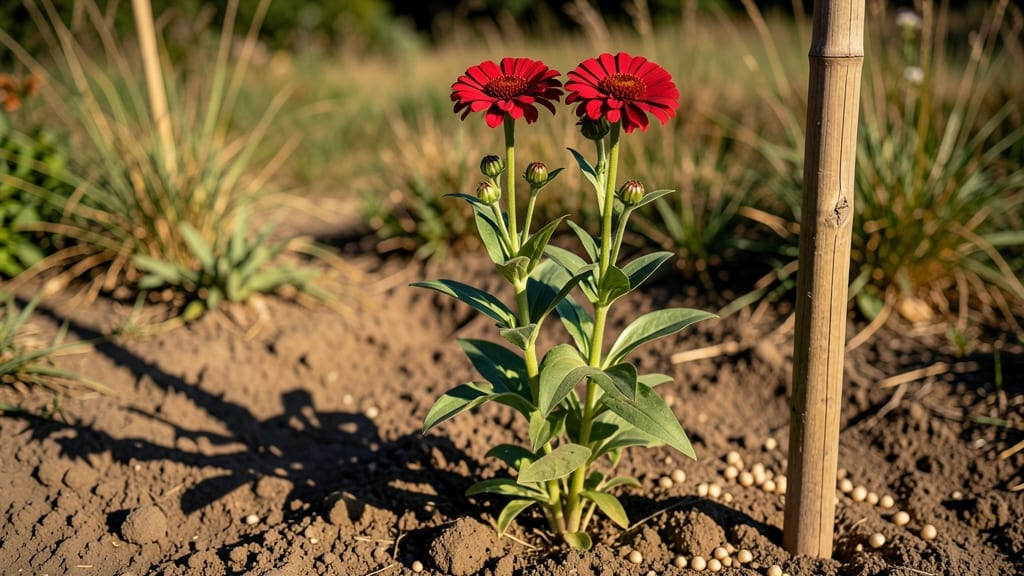
How to get zinnias to grow tall starts with sunlight and space—those towering blooms reaching for the sky are well within reach. 🌻 My first attempt at towering zinnias flopped until I learned the simple secrets—full sun, proper spacing, and a little extra care. These vibrant blooms can shoot up to 4 feet tall when given the right conditions, and the difference is night and day.
Begin with well-draining soil rich in compost, then plant seeds 6-8 inches apart—crowding stunts growth. Water at the base to keep stems strong, and pinch back early blooms to encourage height.
A sturdy stake or cage will support their weight, preventing them from bending under their own glory. The payoff? Stunning vertical displays that draw pollinators all season long.
📚 In This Guide
- What you need
- Instructions
- Tips and common mistakes
- Wrapping up and next steps
What you need
- ● Zinnia seeds: Choose tall varieties like Benary’s Giant or State Fair (1–2 packets, ~50–100 seeds each).
- ● Well-draining potting mix: 5–10 gallons (sterile, organic blend with perlite or vermiculite for aeration).
- ● Containers or garden bed: Containers: 5–10 gallon pots (minimum 12" deep) with drainage holes.
- ● Garden bed: Full-sun location (6+ hours/day) with loose, fertile soil (pH 6.0–7.0).
- ● Fertilizer: Balanced granular: 10-10-10 or 5-5-5 (1–2 tbsp per plant at planting).
- ● Slow-release: Osmocote or similar (follow package rates).
- ● Watering can or hose: With adjustable nozzle (gentle spray for seedlings).
- ● Stakes or cages: 3–4 ft tall bamboo stakes or tomato cages (1 per plant).
- ● Twine or plant ties: Soft garden twine (1–2 ft per stake).
- ● Seedling heat mat: For starting indoors (if sowing early).
- ● Grow lights: LED or fluorescent (12–16 hrs/day for seedlings).
- ● Mulch: Straw or shredded leaves (1–2 inches) to retain moisture.
- ● Epsom salt: 1 tbsp dissolved in 1 gallon water (monthly foliar spray for magnesium boost).
- ● Compost: Aged, weed-free (mix 1–2 cups per square foot into garden soil).
- ● Pruning shears: For deadheading spent blooms (sterilized with rubbing alcohol).
Step-by-step instructions for growing tall zinnias
Here's how I coax zinnias to reach their full height—no flopping, no weak stems.
🌱 Step 1: Start With Strong Seeds in the Right Conditions
Zinnias need warmth to germinate, so I wait until soil temperatures hit 60°F before sowing. Plant seeds ¼ inch deep in well-draining soil—they rot if kept too wet. I like to sow them 12-18 inches apart right away, even though they'll need thinning later. This gives roots room to establish without crowding.
Keep the soil consistently moist but not soggy until germination, which takes 7-14 days. Once sprouts appear, reduce watering slightly—overwatering now leads to weak stems that can't support tall growth later. Watch for the first true leaves (the second set after the initial seed leaves) before you thin.
☀️ Step 2: Provide Full Sun and Proper Spacing
Zinnias crave 6-8 hours of direct sunlight daily for strong, upright growth. If your garden gets less, choose dwarf varieties—they won't reach the same height. I space mature plants 12-18 inches apart in rows 18-24 inches apart to allow airflow and prevent disease.
Here's the thing—if you see stems stretching toward the light but staying thin, your zinnias are light-starved. Move them closer to the sun or supplement with a grow light for 14-16 hours daily. Strong stems develop when plants get enough light to photosynthesize efficiently.
💧 Step 3: Water Deeply at the Base (No Leaves!)
Water zinnias at the soil level, never overhead. Wet leaves invite powdery mildew, which weakens stems and causes plants to flop. I water deeply once a week (or more in extreme heat) until 6 inches of soil is moist. This encourages deep root growth, which supports taller stems.
You'll know you're doing it right when the soil feels damp 2-3 inches down after watering. If the top inch dries out too quickly, mulch around plants with 1-2 inches of organic mulch to retain moisture and keep roots cool.
✂️ Step 4: Prune Strategically for Height and Blooms
Pinch back the top set of leaves when plants are 6-8 inches tall to encourage bushier growth. This might seem counterintuitive, but it actually strengthens the stem structure. Remove any dead or yellowing leaves regularly—they drain energy from the plant.
For extra height, I cut back leggy stems by ⅓ after the first flush of blooms. This triggers new growth from lower buds, creating a more compact, sturdy plant. Deadhead spent blooms immediately—they sap energy that could go toward stem strength and new flowers.
🌿 Step 5: Support and Protect for Maximum Height
Tall zinnias often need support. I use bamboo stakes or small cages placed at planting time to avoid damaging roots later. Tie stems loosely with soft plant ties—don't cinch too tight, or you'll restrict growth.
Watch for pests like aphids or spider mites, which weaken stems. Spray affected plants with neem oil at the first sign of trouble. Strong, healthy plants naturally grow taller and hold their blooms upright without support.
Tips & tricks for towering zinnias
Here's what nobody tells you about growing zinnias that reach for the sky.
Soil Temperature Secret: That 60°F soil temperature isn't just a number—it's the magic threshold for germination. I've seen zinnias fail to sprout when planted too early, even if air temps feel warm. Use a soil thermometer to confirm before planting. If your soil runs cooler, consider starting seeds indoors under grow lights until soil warms naturally.
Lighting Strategy: The 6-8 hours of sunlight is non-negotiable, but here's the trick: if your zinnias start stretching toward light with thin stems, they're begging for more. I supplement with a grow light for 14-16 hours daily during cloudy periods. Position it 6-12 inches above plants—closer for seedlings, higher as they mature. This prevents that "leggy" look that ruins tall growth.
Watering Wisdom: When I first started, I thought "deep watering" meant drenching the soil. Wrong! Water until 6 inches of soil is moist—check with a trowel. The top inch drying out is normal, but if it's bone-dry below that, your roots won't grow deep enough to support tall stems. Mulch with 1-2 inches of organic material to lock in moisture without smothering the plants.
Pruning Payoff: I know pinching back seems counterintuitive when you want height, but trust me on this: that 6-8 inch pinch creates a bushier base that actually supports taller blooms later. And when you cut back leggy stems by ⅓ after first blooms? You're essentially giving your plants a second chance at sturdy growth. It's like hitting the reset button for stronger stems.
Pro Tips for Get Zinnias To Grow Tall
- Here's what nobody tells you about growing zinnias that reach for the sky.
- Soil Temperature Secret: That 60°F soil temperature isn't just a number—it's the magic threshold for germination.
- Lighting Strategy: The 6-8 hours of sunlight is non-negotiable, but here's the trick: if your zinnias start stretching toward light with thin stems, they're begging for more.
Frequently asked questions
Got questions about growing tall zinnias?
You’re not alone! Here are answers to the most common concerns—from spacing to sunlight and everything in between.
How close can I plant zinnias for tall growth?
Zinnias need space to reach their full height—aim for 6–12 inches apart (closer for dwarf varieties, wider for tall types like ‘Benary’s Giant’). Overcrowding leads to weak stems and leggy growth. Thin seedlings early to avoid competition for nutrients and sunlight.
When is the best time to plant zinnias for maximum height?
Start seeds 4–6 weeks before your last frost indoors (or directly sow after soil warms to at least 50°F). For tall varieties, transplant seedlings outdoors 2–3 weeks after the last frost—early planting risks frost damage, while late planting may stunt growth. Pro tip: Use row covers if nights are chilly!
Do zinnias grow taller in full sun or partial shade?
Zinnias crave full sun (6+ hours daily) for robust stems and vibrant blooms. Partial shade (<4 hours sun) may yield shorter, weaker plants. If your garden lacks sun, try reflective surfaces (like white mulch) to maximize light. Fun fact: Morning sun + afternoon shade works in hot climates!
Why are my zinnias growing tall but floppy? Weak stems?
Floppy stems often signal overwatering, poor support, or nutrient deficiencies. Try these fixes:
- Stake or cage plants at planting (use tomato cages or bamboo stakes).
- Water deeply but infrequently—zinnias hate soggy roots.
- Fertilize lightly with low-nitrogen, high-phosphorus feed (like 5-10-10) to boost bloom strength.
Can I grow zinnias in containers for tall blooms?
Yes! Choose large containers (12+ inches deep) with drainage holes and well-draining soil. Use dwarf or medium-height varieties (like ‘Crystal’ or ‘Profusion’) to avoid top-heavy flopping. Place containers in full sun and fertilize regularly. Pro tip: Mix in perlite to prevent root rot!
Will zinnias grow tall in cool weather?
Zinnias slow growth in cool temps (<50°F). For tall blooms, wait until soil is warm (consistently 60°F+) or start seeds indoors. If planted too early, growth may be stunted—use row covers to protect seedlings and accelerate warmth. Try this: Black plastic mulch warms soil faster!
Wrapping up and next steps
Growing tall zinnias is all about giving them the right conditions—plenty of sunlight, proper spacing, and a little extra care during their early stages. With these tips, you’ll be rewarded with stunning, towering blooms that brighten up your garden. 🌻
Now that you’re armed with the know-how, it’s time to roll up your sleeves and plant! Start with a small patch or a few pots, and watch your zinnias reach new heights. Happy gardening—your future floral masterpiece is waiting! 🌱