
Propagation
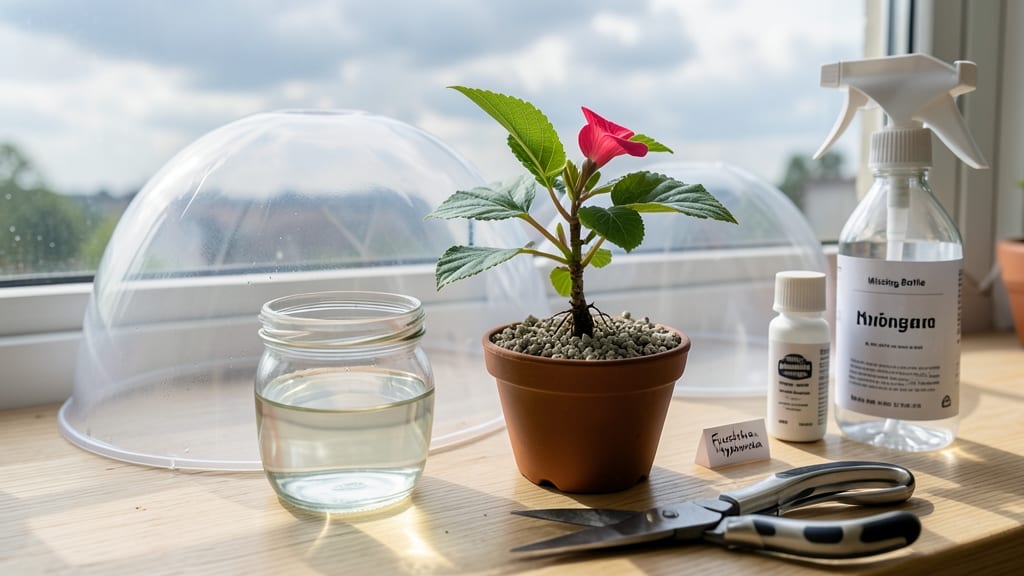
How to grow fuchsias from cuttings—it’s easier than you think, and in just three weeks, a single cutting can turn into a thriving jungle of fuchsias. I’ve propagated dozens this way, and the secret isn’t magic—it’s understanding how these plants naturally root. The right stem, clean cut, and consistent care turn floppy cuttings into sturdy new plants faster than you’d expect.
You only need sharp scissors, clean water, and patience. Skip the fancy rooting hormone—fuchsias root easily in water if you pick healthy stems with at least two leaf nodes.
Change the water weekly and keep them in bright, indirect light. That's it. No soil mess, no guesswork, just science you can see happening right in your glass.
By week three, you'll have roots long enough to transplant into soil. The plants grow fast after that, and you'll end up with bushier, more vibrant fuchsias than store-bought ones.
Mine fill containers with lush foliage and bright blooms by summer, and the process works just as well in apartments as it does in greenhouses.
Fair warning: timing matters. Late spring or early summer gives you the best results, but if you're patient, you can root cuttings almost any time the plant is actively growing.
The key is consistency—don't let the water get stagnant, and keep those cuttings happy until they're ready for their new home.
📚 In This Guide
- What you need
- Instructions
- Tips and common mistakes
- Wrapping up and next steps
What you need
- ● Healthy fuchsia cuttings: 4–6 inches long, with at least 2–3 sets of leaves (use semi-hardwood stems for best results).
- ● Sharp pruning shears or scissors: Sterilized to prevent disease (rubbing alcohol works well).
- ● Clean water: Room-temperature, chlorine-free (let tap water sit out for 24 hours if needed).
- ● Glass or clear container: A jar, vase, or small bottle (wide-mouth for stability).
- ○ Rooting hormone (optional but helpful): A powder or gel to speed up root growth (follow package instructions).
- ● Newspaper or paper towels: For drying cuttings before planting (if using rooting hormone).
- ● Pencil or toothpick: To prop open leaves (helps prevent rot by improving airflow).
- ● Plant labels: To track varieties (especially useful if propagating multiple types!).
- ○ Grow lights (optional): If your space lacks bright, indirect light (12–16 hours/day).
- ○ Small pebbles or marbles (optional): Place at the bottom of the container to elevate cuttings and prevent rot.
Step-by-Step instructions for growing fuchsias from cuttings
Here's how I've successfully rooted dozens of fuchsias in water—no special tools or soil needed.
Select Healthy Stems for Cuttings
Choose stems that are 4-6 inches long with at least 3-4 leaf nodes (those little bumps where leaves grow). Look for new growth—these stems are full of energy and root fastest. Avoid stems that are woody or flowered, as they root poorly. I like to pick stems just below a leaf node, where the growth is still tender but established.
Use clean, sharp scissors or pruning shears to make a 45-degree angle cut just below a leaf node. This angled cut increases surface area for root growth. Remove the lower leaves, leaving only the top 2-3 leaves on each cutting. This reduces moisture loss and directs energy toward root development. If you have large leaves, cut them in half—they'll wilt and lose too much water otherwise.
Prepare the Cuttings for Water Rootings
Fill a clean glass or jar with room-temperature water—tap water works fine, but avoid chlorinated water if possible (let it sit out for 24 hours first). Place the cuttings in the water so that only the bottom 2 inches are submerged, with the nodes just below the waterline. This ensures the nodes (where roots will form) stay moist but aren’t drowned.
Change the water every 3-4 days to prevent bacterial growth and keep it fresh. I like to use a small vase or clear container so I can watch the roots grow—it’s oddly satisfying! Keep the cuttings in bright, indirect light (a north-facing window is ideal). Direct sunlight can cause the water to heat up and promote algae growth, which clogs the jar and stunts root development.
Encourage Root Growth in Water
Roots typically appear in 2-3 weeks, but some varieties may take longer. You’ll see tiny white or fuzzy roots first—these are the early stages of growth. Once roots reach 1-2 inches long, they’re ready to transplant. To speed things up, I add a pinch of cinnamon or a rooting hormone to the water (optional but helpful for slower varieties).
During this time, avoid disturbing the cuttings. If you notice the water getting cloudy or developing a film, dump it and rinse the jar with a 1:10 bleach-water mix (1 part bleach to 10 parts water) before refilling with fresh water. Keep the water level consistent—never let the cuttings dry out, but don’t submerge the leaves either. You’ll know it’s time to transplant when the roots fill the glass and new leaves start growing.
Transplant Rooted Cuttings to Soil
Once roots are 1-2 inches long, it’s time to move the cuttings to soil. Fill a 4-inch pot with well-draining potting mix (I mix regular potting soil with 20% perlite for extra aeration). Gently remove the cutting from the water, being careful not to damage the roots. Tap the pot lightly to settle the soil, then plant the cutting 1 inch deeper than it was in water—this stabilizes the stem and encourages stronger growth.
Water lightly after transplanting, but don’t soak the soil. Place the pot in bright, indirect light for the first week to help it adjust. After a few days, you’ll notice new growth—this means the cutting has successfully adapted. Fertilize lightly with a balanced 10-10-10 mix after 2 weeks to encourage foliage growth. Fuchsias love humidity, so mist the leaves occasionally or place the pot on a tray of pebbles with water to maintain moisture in the air.
Tips & tricks for perfect fuchsia cuttings
These tried-and-true insights will help you avoid common pitfalls and maximize your success with fuchsia propagation.
Selection Tip: In Step 1, focus on stems with vibrant green leaves and avoid any that show signs of yellowing or disease. The most successful cuttings come from healthy, non-flowering stems—these contain the most growth hormones. I've found that morning is the best time to take cuttings, as the plant's moisture levels are highest after overnight hydration.
Cutting Technique: When making your 45-degree angle cut in Step 1, aim for a clean slice just below a leaf node. This angled cut exposes more surface area for root development. If you're nervous about making perfect cuts, practice on a few stems first—it's worth the extra time to get it right. Remember, the bottom 2 inches should be submerged in water, so position your cut accordingly.
Water Quality: The instructions mention letting chlorinated water sit for 24 hours, but I've found an even simpler solution: use filtered water or rainwater if possible. Tap water can sometimes contain trace minerals that cloud the water faster, so changing it every 3-4 days becomes even more critical. Clear water means healthier roots developing.
Transplanting Strategy: In Step 4, when transplanting to soil, I recommend using a small pot with drainage holes to prevent root rot. The 1-inch deeper planting depth helps stabilize the cutting, but don't bury the leaves—they should remain above soil level. This creates a stronger anchor while preventing moisture-related issues.
Pro Tips for Grow Fuchsias From Cuttings
- These tried-and-true insights will help you avoid common pitfalls and maximize your success with fuchsia propagation.
- Selection Tip: In Step 1, focus on stems with vibrant green leaves and avoid any that show signs of yellowing or disease.
- Cutting Technique: When making your 45-degree angle cut in Step 1, aim for a clean slice just below a leaf node.
Frequently asked questions
Got questions about growing fuchsias from cuttings? You’re not alone—this method is rewarding but can feel tricky at first! Below, we’ve answered the most common questions to help you propagate like a pro.
When is the best time to take fuchsia cuttings?
The ideal time is late spring to early summer (May–June), when fuchsias are actively growing. Avoid taking cuttings after flowering or during dormancy (fall/winter), as success rates drop. Pro tip: Morning is best—stems are hydrated and easier to handle!
How long does it take for fuchsia cuttings to root in water?
With the right conditions (bright, indirect light and warm temps), roots typically appear in 2–3 weeks. Be patient—some varieties (like hardy fuchsias) may take slightly longer. Change the water every 3–5 days to prevent bacterial growth.
What if my fuchsia cuttings rot instead of rooting?
Rot is usually caused by too much water or bacterial/fungal infections. If you spot black, mushy stems, remove the cutting immediately. To prevent rot:
- Use clean, room-temperature water (never tap water left sitting overnight).
- Trim leaves to reduce moisture loss.
- Add a rooting hormone (optional but helpful).
Can I grow fuchsias from cuttings without using water?
The soil method works well for beginners. Dip cuttings in rooting hormone, then plant in a mix of perlite + peat moss (or coconut coir). Keep the soil moist (not soggy) and cover with a plastic bag for humidity. Roots form in 3–4 weeks.
How do I know when my rooted cuttings are ready to transplant?
Your cuttings are ready when they’ve grown 1–2 inches of roots (gently tug—resistance means they’re anchored!). Harden them off for 1 week by gradually exposing them to outdoor conditions. Transplant into pots with well-draining soil, and avoid direct sun for the first few days.
Still stumped? Drop your question in the comments—we’re happy to help!
Wrapping up and next steps
Growing fuchsias from cuttings is a rewarding way to expand your garden—and it’s easier than you think! With just a few simple steps, you’ll have rooted stems ready to plant in just three weeks.
Whether you’re a beginner or a seasoned gardener, this method lets you multiply your favorite varieties for free while enjoying the satisfaction of propagation success.
Now that you’re armed with the know-how, take the plunge! Start with a few cuttings this week, and soon you’ll be sharing (or gifting!) your thriving fuchsias with friends. Happy growing! 🌱✨