
Size
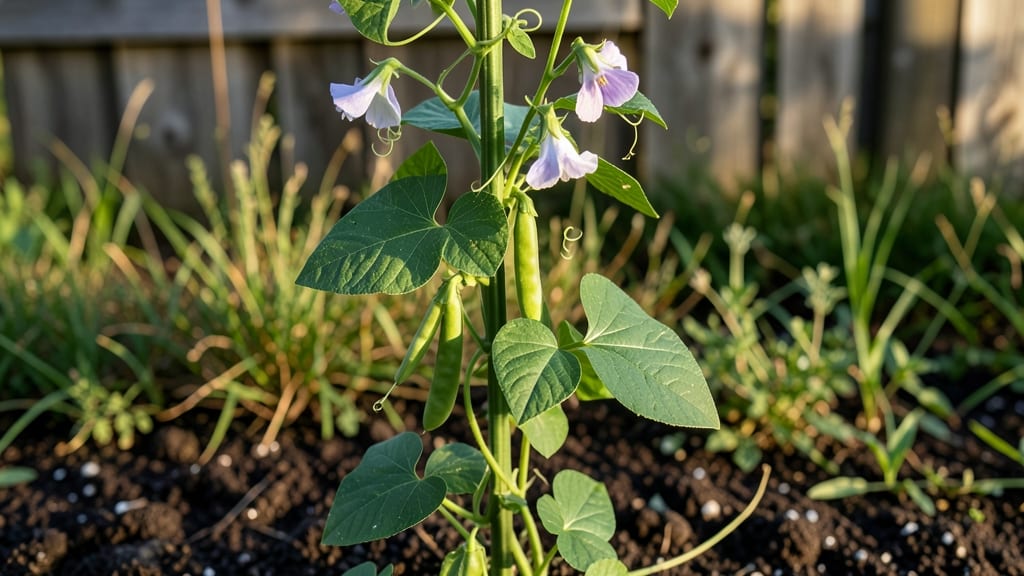
How to grow green pole beans—they climb to harvest in just 60 days, the fastest way to fresh, tender beans from seed. 🌱 I planted my first batch last spring and was stunned by how quickly those vines took over the trellis, producing beans for weeks. The secret isn't fancy soil or rare seeds—it's understanding what these beans actually need to thrive from day one. Start with well-draining soil that's rich but not heavy—think compost mixed into the top 6 inches. Plant seeds 1 inch deep, 4-6 inches apart, and give them a sturdy trellis or fence to climb as soon as they sprout. Water consistently (about 1 inch per week), keeping the soil moist but never soggy. The key is patience in the early weeks—those first vines might look slow, but they'll catch up fast once they get vertical. By mid-summer, you'll be snapping off beans every few days, their bright green pods crisp and sweet. The plants keep producing for 4-6 weeks if you harvest regularly, and they're surprisingly resilient against pests. Yellowing leaves? Usually just a sign of thirst or too much shade—give them a drink and some afternoon sun, and they bounce back. Works in containers too (just use a deep pot), and the vertical growth saves space. Here's how to get started without the common pitfalls!"
📚 In This Guide
- What you need
- Instructions
- Tips and common mistakes
- Wrapping up and next steps
What you need
- ● Green pole bean seeds: Choose a variety like 'Contender,' 'Kentucky Wonder,' or 'Blue Lake' (1–2 lbs should cover a 10x10 ft area).
- ● Well-draining soil: A mix of garden soil and compost (60% soil, 40% compost) works best. For containers, use potting mix.
- ● Fertilizer: A balanced, organic fertilizer (10-10-10) or compost tea (1 tbsp per plant). Avoid high-nitrogen fertilizers.
- ● Water: Consistent moisture—aim for 1–1.5 inches per week (adjust for rain).
- ● Garden trowel or transplanter: For planting seeds 1–2 inches deep, 3–4 inches apart.
- ● Trellis or stakes: 6–8 ft tall (bamboo, metal, or wooden). Use 1–2 stakes per 3–4 ft of row.
- ○ Garden twine or jute string: To secure vines to the trellis (optional but helpful!).
- ● Mulch: Straw or shredded leaves (2–3 inches) to retain moisture and suppress weeds.
- ○ Hand pruners (optional): For trimming overgrown vines or dead foliage.
- ● Sunlight: Full sun (6–8 hours daily). Partial shade may reduce yield.
- ● Warm soil: Wait until soil temps reach 60°F (15°C) or after the last frost date.
- ● Space: Pole beans thrive in narrow rows (18–24 inches apart) or containers (at least 12 inches wide/deep).
Step-by-Step instructions for growing green pole beans
Ready to grow fast, productive vines? Here’s my foolproof method for bushy plants and a summer-long harvest.
🌱 Step 1: Choose the Right Location and Soil
Pick a sunny spot with at least 6-8 hours of direct sunlight daily—pole beans need warmth to thrive. I always test the soil first: dig a small hole, fill it with water, and wait 10 minutes. If water pools, amend the soil with compost to improve drainage. Pole beans prefer slightly acidic to neutral soil with a pH between 6.0 and 7.0.
If your soil is heavy clay or sandy, mix in 2-3 inches of compost before planting. I like to work it into the top 6 inches of soil to create a loose, crumbly texture. This helps roots spread easily and prevents waterlogging, which can rot tender bean stems. Avoid fresh manure—it burns young seedlings.
🪴 Step 2: Plant Seeds After the Last Frost
Wait until the soil temperature reaches at least 60°F—cold soil slows germination and can stunt growth. I test this by placing a thermometer in the soil for a few hours. Plant seeds 1 inch deep and 3-4 inches apart in rows 18-24 inches apart. This spacing gives vines room to climb without competing for sunlight.
Drop 3-4 seeds per hole and cover lightly with soil. Gently water the area until the soil is moist but not soggy. You’ll see sprouts in 7-14 days, depending on your climate. If multiple seeds sprout in one hole, thin to the strongest seedling to avoid overcrowding.
☀️ Step 3: Set Up Trellises and Provide Support
Install trellises or sturdy stakes 3-4 feet tall as soon as you plant seeds. I use bamboo stakes tied with twine or a simple A-frame trellis made from wooden posts and chicken wire. This keeps vines off the ground, reducing disease risk and making harvesting easier.
When seedlings reach 6 inches tall, gently weave the main stems through the trellis or tie them to the stakes with soft plant ties. Avoid wrapping ties too tightly—they can damage stems as vines grow thicker. Pole beans climb naturally, but a little guidance early on prevents tangled messes later.
💧 Step 4: Water and Fertilize for Healthy Growth
Keep the soil consistently moist but never waterlogged. Water deeply 1-2 times per week, aiming for 1 inch of water per week. I water in the morning so foliage dries quickly, reducing the risk of fungal diseases. Let the top 1-2 inches of soil dry out slightly between waterings—this encourages deeper root growth.
Fertilize lightly when flowers appear. I use a balanced, water-soluble fertilizer (like 10-10-10) diluted to half strength. Apply it to the soil around the base of the plants, not the leaves. Too much nitrogen makes plants produce lots of foliage but few beans. Stop fertilizing once pods start forming—beans fix their own nitrogen from the air.
✂️ Step 5: Harvest Regularly for Continuous Production
Start harvesting when pods are 4-6 inches long and tender. I check plants every 2-3 days in peak season—this encourages more flowers and pods to form. Use sharp scissors or pinch pods off with your fingers to avoid damaging the vine. Harvesting early prevents pods from becoming tough and stringy.
Keep picking until the first frost. If your growing season is short, succession plant seeds every 2 weeks for a staggered harvest. I’ve grown pole beans in 55-65 days from seed to harvest, depending on variety and weather. With regular care, one plant can produce 6-8 pounds of beans per season—plenty for fresh eating, freezing, or canning.
Tips & tricks for growing green pole beans
Let me share the hard-won lessons that'll turn your bean patch into a thriving vineyard—no green thumb required.
Soil Prep Secret: That 10-minute water test in Step 1 is your best friend for avoiding soggy soil. If water disappears quickly, your drainage is perfect. If it pools, mix in more compost—aim for that loose, crumbly texture like a well-aerated cake batter. I've learned the hard way that compacted soil chokes those delicate roots. For heavy clay, work in 2-3 inches of compost and let it sit for a week before planting to break down properly.
Planting Precision: When you're planting those seeds 1 inch deep in Step 2, think "snug but not buried." Press the soil gently around them—this ensures good seed-to-soil contact for faster germination. I plant 3-4 seeds per hole because not all will sprout, but thinning to one strong seedling per spot prevents future competition. Pro tip: Mark your rows with small sticks or flags if you're new to gardening—those 18-24 inch spacing requirements disappear fast when you're knee-deep in plants!
Trellis Timing: Don't wait until vines are sprawling to set up your trellis in Step 3. Install those 3-4 foot tall supports as soon as you plant—even if it's just bamboo stakes tied with twine. This gives vines something to grab immediately, preventing that messy tangle later. When they reach 6 inches tall, gently weave them through rather than tying tightly. Think "gentle guidance" not "straightjacket"—those vines need room to grow!
Watering Wisdom: That 1-2 times per week guideline in Step 4 is your baseline, but check the top 1-2 inches of soil daily. If it's dry, water deeply in the morning. I've seen beginners overwater and create muddy conditions that rot stems. The key is consistent moisture—not soggy soil. And here's a bonus: mulch around plants with straw to retain moisture and keep weeds at bay.
Pro Tips for Grow Green Pole Beans
- Let me share the hard-won lessons that'll turn your bean patch into a thriving vineyard—no green thumb required.
- Soil Prep Secret: That 10-minute water test in Step 1 is your best friend for avoiding soggy soil.
- Planting Precision: When you're planting those seeds 1 inch deep in Step 2, think "snug but not buried."
Frequently asked questions
Got questions about growing green pole beans? You’re not alone—this fast-growing, space-saving veggie has a few quirks! Below, we’ve rounded up the most common queries from gardeners just like you, so you can grow confidently from seed to harvest.
How long do green pole beans take to grow?
Green pole beans are one of the fastest beans to mature! From seed to harvest, expect 50–60 days in ideal conditions (warm soil, full sun, and consistent moisture). For a continuous harvest, plant new seeds every 2–3 weeks during the growing season.
Can I grow pole beans in containers or small spaces?
Pole beans thrive in containers at least 10–12 inches deep and 5–6 inches wide, as long as they have a sturdy trellis or pole to climb. Use lightweight potting mix, and place containers in a sunny spot (6+ hours of light daily). Balconies, patios, and even hanging planters work—just ensure good drainage!
What are the most common pests or diseases for pole beans?
Watch for bean beetles, aphids, and Japanese beetles, which can chew leaves or pods. For diseases, powdery mildew (white fungal spots) and root rot (from overwatering) are risks. Prevent pests with row covers or neem oil, and avoid overhead watering to keep foliage dry.
When is the best time to plant pole beans?
Pole beans love warm soil (60°F+), so wait until after the last frost in spring. In cooler climates, start seeds indoors 2–3 weeks before transplanting outside. For a fall harvest, plant 80–100 days before your first frost. Avoid planting in hot summer months if temps exceed 90°F—beans may bolt prematurely.
What can I plant with pole beans to improve growth?
Pole beans are nitrogen-fixers, meaning they enrich soil for heavy feeders! Pair them with:
- Corn (beans climb the stalks, saving space!)
- Cucumbers or squash (shade-sensitive plants benefit from bean vines)
- Carrots or radishes (shallow roots won’t compete)
Wrapping up and next steps
Growing green pole beans is a rewarding journey that delivers fresh, flavorful harvests in just 60 days!
With the right soil, sunlight, and a little patience, you’ll enjoy a bountiful crop—whether you’re a beginner or a seasoned gardener. Now that you’ve got the know-how, why not plant a few seeds today? 🌱
Ready to dive in? Start by prepping your garden space this weekend, and soon you’ll be savoring homegrown beans straight from the vine. Happy gardening!