
Size
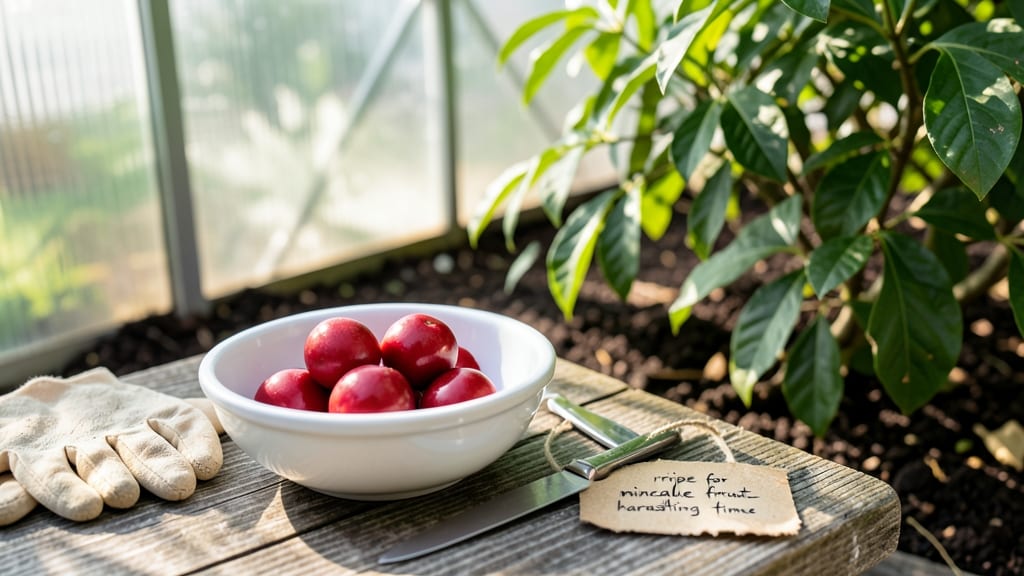
How to grow miracle fruit—the plant that turns sour into sweet—is your next taste-bud adventure. 🌿 This tropical wonder, Synsepalum dulcificum, lets you transform lemons into candy-like treats with just one bite. Thriving in warm climates but adaptable indoors, it’s a game-changer for your palate. You’ll need bright, indirect light, well-draining soil, and high humidity to mimic its native rainforest home. Start with seeds or cuttings, and keep the soil consistently moist but never soggy. Patience is key—it can take 6-12 months for the plant to mature enough to produce fruit, but the wait is worth it. Once ripe, the berries pack a flavor-altering compound that makes anything sour taste sweet for up to an hour. Imagine biting into a lemon and tasting strawberry—this plant delivers that magic. The best part? It’s low-maintenance once established, making it perfect for both beginners and plant enthusiasts. Whether you’re growing it in a sunny patio or a bright kitchen window, this guide will help you cultivate a plant that’s as fascinating as it is delicious. Ready to change your taste forever?
📚 In This Guide
- What you need
- Instructions
- Tips and common mistakes
- Wrapping up and next steps
What you need
- ● Miracle fruit seeds: 3–5 fresh, viable seeds (preferably from a reputable supplier). Pro tip: 💡 Soak seeds in warm water for 24 hours before planting to speed up germination!
- ● Well-draining potting mix: A blend of 50% peat or coconut coir, 30% perlite or vermiculite, and 20% compost (or a tropical houseplant mix).
- ● Small pots (3–4 inches in diameter): 3–5 pots with drainage holes for seedling stage.
- ● Larger container (12+ inches in diameter): For mature plants—ensure it’s at least 18 inches deep for root growth.
- ● Humidity dome or plastic wrap: To maintain moisture during germination (80–90% humidity ideal!).
- ● Spray bottle: For gentle watering to avoid disturbing seeds.
- ● Grow lights or sunny windowsill: A south-facing window or LED grow lights (12–14 hours/day) for optimal light.
- ● Fertilizer (balanced, water-soluble): 10-10-10 or 20-20-20 NPK, diluted to half-strength every 4–6 weeks during growing season.
- ● Pruning shears: Sharp, sterilized shears for trimming.
- ● Rooting hormone: To boost seedling success (especially if seeds are slow to sprout).
- ● Self-watering pot: Reduces maintenance for busy growers!
- ● Tropical houseplant fertilizer: Like fish emulsion or worm castings for extra nutrients.
- ● Support stake or trellis: If you want to train the plant vertically (miracle fruit can grow 6–10 feet tall!).
- ● pH test kit: Ideal soil pH for miracle fruit is 5.5–6.5.
Step-by-step instructions for growing miracle fruit
Here's how to cultivate this fascinating tropical plant at home—no greenhouse required.
🌱 Step 1: Select and Prepare Your Miracle Fruit Seedlings
Miracle fruit plants start from seed or cuttings, but I recommend buying young plants from a reputable tropical nursery. Look for healthy 6-12 inch seedlings with glossy, deep green leaves—avoid any with yellowing or spotted foliage. These plants thrive in USDA Zones 10-11, but you can grow them in containers indoors if you live in cooler climates.
Before planting, soak the roots in lukewarm water for 10-15 minutes to encourage root growth. This simple step helps reduce transplant shock. If you're growing from seed, expect 3-6 months until fruiting, while established plants may produce berries within 6-12 months. Patience is key—miracle fruit isn't a fast grower.
☀️ Step 2: Provide Warmth, Humidity, and Bright Indirect Light
Miracle fruit needs warmth (70-85°F) and high humidity (60% or higher) to thrive. Place your plant near a south- or west-facing window where it gets bright, indirect light for 6-8 hours daily. Direct sun can scorch the delicate leaves, so a sheer curtain helps diffuse harsh rays.
If your home runs dry, use a humidifier or place the pot on a pebble tray filled with water. Mist the leaves lightly 2-3 times weekly, but avoid wetting the leaves too much—this can lead to fungal issues. You'll know the humidity is right when new growth appears vibrant and glossy rather than crispy or yellowing.
💧 Step 3: Water and Fertilize for Optimal Growth
Water your miracle fruit plant when the top 1-2 inches of soil feel dry to the touch. Stick your finger in the soil—if it's damp past your first knuckle, wait another day. Overwatering is the fastest way to kill this tropical plant, so drainage is critical. Use a pot with holes and a saucer underneath to catch excess water.
Feed your plant with a balanced liquid fertilizer (10-10-10 or 20-20-20) every 4-6 weeks during the growing season (spring and summer). Reduce feeding in fall and winter when growth slows. You'll see stronger stems and more leaves when the plant responds with steady, upright growth rather than leggy or sparse foliage.
✂️ Step 4: Prune and Encourage Bushier Growth
Miracle fruit grows as a small shrub, so pruning helps shape it and encourages more berries. Pinch back the tips of new growth when they reach 4-6 inches to prompt branching. Remove any yellow or damaged leaves with clean scissors to keep the plant healthy.
If your plant becomes too leggy, trim back the longest stems by one-third to encourage denser growth. The best time to prune is in early spring before new growth begins. After pruning, place the plant in a bright, humid spot—it’ll bounce back with fresh, vibrant leaves within 2-3 weeks.
🍓 Step 5: Harvest and Enjoy the Flavor Magic
Miracle fruit berries turn from green to bright red or orange when ripe—this usually happens 6-12 months after planting. Gently twist the berry to detach it from the stem. The fruit itself is tiny (about ¼ inch wide) but packs a powerful flavor-altering effect.
Eat 1-2 berries before a meal—they make sour foods taste sweet for up to 2 hours. Store unripe berries in the fridge for 1-2 weeks or freeze them for later use. Just remember, the magic only lasts a short time, so enjoy the experience while it lasts!
Tips & tricks for growing miracle fruit
Here's what I've learned after growing this quirky plant—these simple tricks make all the difference.
Seedling Selection Tip: When choosing your 6-12 inch seedlings, look beyond just the leaves. Gently squeeze the stems—healthy ones should feel firm, not mushy. I've seen plants with perfect-looking foliage that were already struggling beneath the surface. Also, check the undersides of leaves for tiny white bugs (mealybugs)—if you spot them, treat with neem oil before bringing the plant home.
Root Soaking Secret: That 10-15 minute root soak in lukewarm water isn't just about reducing transplant shock—it's also a great time to inspect the roots. Healthy roots should be white or light tan, not dark or slimy. If you notice any black spots, trim them off with clean scissors before planting. This gives your miracle fruit a strong start.
Lighting Strategy: For that critical 6-8 hours of bright indirect light, I recommend placing your plant about 3 feet from the window. This distance prevents leaf scorch while still providing enough light. If you notice leaves turning yellow near the edges, it's getting too much direct sun—move it back another foot. Rotate the pot quarter-turns weekly to ensure even growth all around.
Pruning Payoff: When you pinch back those 4-6 inch stems, you're not just shaping the plant—you're encouraging more berries. The plant will focus its energy on producing bushier growth rather than tall, sparse stems. I like to do this pruning on a cloudy day when the plant is less stressed from sunlight. After pruning, give it a light misting to help it recover faster.
Pro Tips for Grow Miracle Fruit
- Here's what I've learned after growing this quirky plant—these simple tricks make all the difference.
- Seedling Selection Tip: When choosing your 6-12 inch seedlings, look beyond just the leaves.
- Root Soaking Secret: That 10-15 minute root soak in lukewarm water isn't just about reducing transplant shock—it's also a great time to inspect the roots.
Frequently asked questions
Got questions about growing and enjoying miracle fruit? Here are answers to the most common ones—so you can dive in with confidence!
How long does it take for miracle fruit to bear fruit?
Miracle fruit plants typically take 12–18 months to mature and produce berries after germination. Patience is key—young plants focus on root and leaf growth before flowering. With proper care (warmth, humidity, and bright indirect light), you’ll see the first fruits within a year or two!
Can I grow miracle fruit indoors? Yes, but how?
Place your plant near a south-facing window or under grow lights (12+ hours/day). Keep humidity high (use a pebble tray or humidifier) and maintain temps between 65–85°F (18–29°C). A greenhouse or sunroom works too—just avoid drafts or cold windowsills.
What if my miracle fruit plant’s leaves turn yellow?
Yellow leaves usually signal overwatering or nutrient deficiency. Let the top inch of soil dry out between waterings, and fertilize lightly (diluted balanced fertilizer) every 4–6 weeks. Check for pests like spider mites too—wipe leaves with soapy water if needed.
Are there alternatives to miracle fruit for flavor-changing effects?
No exact substitute exists, but cupuaçu berries (from Amazonian trees) or synsepalum dulcificum hybrids offer similar (though milder) flavor magic. For DIYers, some experiment with miracle fruit extracts (available online), though fresh berries pack the strongest punch.
How long does the “miracle” flavor effect last?
The flavor-altering effect lasts 30–60 minutes per berry. Eat 1–2 fresh berries (split open to release the miraculin protein), wait 10–20 minutes, then enjoy sour foods like lemons or vinegar—suddenly, they’ll taste sweet and tropical! Effects wear off naturally.
What’s the best temperature range for growing miracle fruit?
| Stage | Ideal Temp Range | Tips |
|---|---|---|
| Germination | 75–85°F (24–29°C) | Use a heat mat if your home runs cooler. |
| Mature Plant | 65–85°F (18–29°C) | Avoid temps below 55°F (13°C)—it’s tropical! |
| Fruiting | 70–80°F (21–27°C) | Consistent warmth = more berries! |
Wrapping up and next steps
Growing miracle fruit is a rewarding adventure that brings a taste of the tropics to your home! With the right care—warmth, humidity, and patience—you’ll soon enjoy its magical flavor-altering berries. Whether you’re a seasoned gardener or a curious beginner, this guide has set you up for success.
Now that you’re ready to plant, take the next step: Start with a single seed or cutting, and watch your miracle fruit thrive! Share your progress with fellow plant lovers, and soon, you’ll be turning sour into sweet—one berry at a time. 🌱✨