
Size
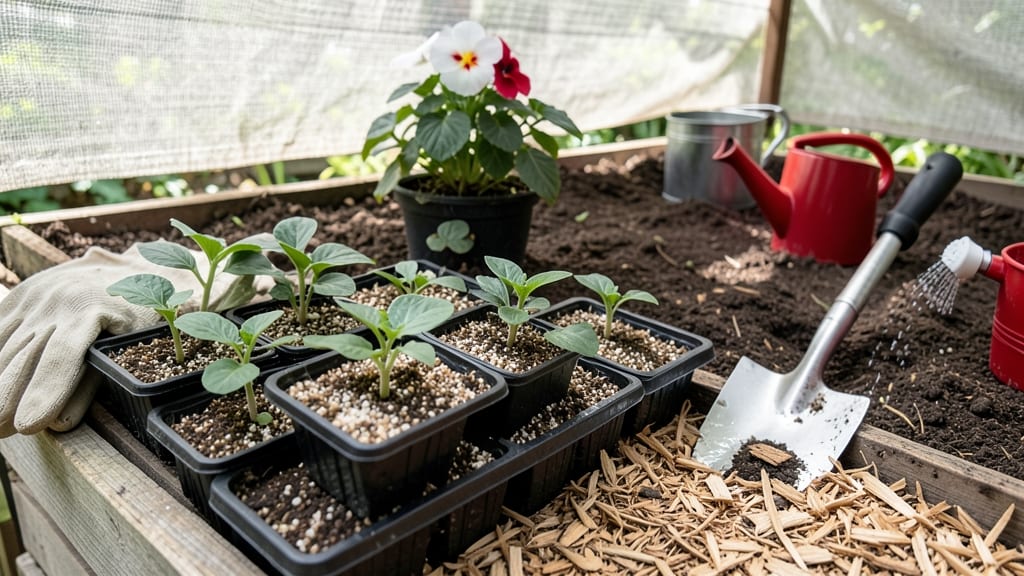
How to grow New Guinea impatiens feels like cheating—vibrant blooms in shade where nothing else thrives. 🌿 I’ve turned my shady patio into a jungle of color using these exact techniques, and they’re shockingly easy once you know the secrets. The key is moist, well-draining soil mixed with compost, plus bright indirect light (they hate direct sun). Water when the top inch feels dry, and fertilize lightly every 4-6 weeks—overdoing it causes leaf burn, not more flowers. Prune leggy stems in spring to encourage bushier growth. By summer, you’ll have nonstop blooms in every shade from red to purple, with foliage so bold it steals the show. These plants reward patience with three seasons of color—if you avoid their one big weakness (more on that later). Even black thumbs can nail this—just don’t skip the shade test first. Let’s get those roots growing!
📚 In This Guide
- What you need
- Instructions
- Tips and common mistakes
- Wrapping up and next steps
What you need
- ● New Guinea Impatiens: Choose healthy Impatiens walleriana plants (seeds, cuttings, or nursery-grown transplants). Opt for dwarf (12–18"), semi-dwarf (18–24"), or standard (24–36") varieties based on your space.
- ● Well-draining potting mix: A peat-based or coconut coir mix (e.g., Miracle-Gro Potting Mix) with perlite or vermiculite (20–30% by volume) to prevent root rot.
- ● Containers or garden beds: For containers: 6–12" pots with drainage holes (1 plant per 6" of pot diameter). Self-watering pots are ideal for busy gardeners!
- ● For garden beds: Loosen soil to 12–18" deep and amend with compost (2–3 inches) for fertility.
- ● Slow-release fertilizer: A balanced 10-10-10 or 14-14-14 granular fertilizer (e.g., Osmocote) mixed into the soil at planting.
- ● Watering can or hose with a gentle spray nozzle: Avoid blasting leaves—these beauties hate soggy roots!
- ● Pruning shears: For trimming leggy stems (sterilize with rubbing alcohol between cuts).
- ● pH test kit: Aim for 6.0–6.5 pH—slightly acidic soil keeps them thriving.
- ○ Mulch (optional): 1–2 inches of shredded bark or pine needles to retain moisture and suppress weeds.
- ● Shade cloth (30–50% coverage): If your garden gets morning sun, this protects delicate leaves.
- ● Support stakes or cages: For taller varieties (e.g., 24–36" standards) to prevent flopping.
Step-by-Step instructions for growing New Guinea impatiens
Here’s how to grow these shade-loving beauties with bold blooms—no fuss, just vibrant results.
🌱 Step 1: Choose the Right Location and Soil
New Guinea impatiens thrive in partial to full shade, making them perfect for spots where other plants struggle. Pick a location that gets 4-6 hours of morning sun or dappled shade all day—direct afternoon sun can scorch their leaves. I always test the spot by placing a white board where the plants will go; if it’s hotter than 85°F in the afternoon, it’s too intense.
Amend the soil with 2-3 inches of compost to improve drainage and fertility. These plants hate soggy roots but also need consistent moisture, so well-draining yet rich soil is key. If your soil is heavy clay, mix in a handful of perlite per square foot to keep it airy. A quick soil test can save you headaches—aim for a pH between 6.0 and 6.5 for the best blooms.
☀️ Step 2: Plant at the Right Time and Depth
Plant New Guinea impatiens in early spring after the last frost or in late summer for a fall display. Dig a hole twice as wide as the root ball but only as deep as the container’s base—burying too deep can suffocate the roots. Gently loosen the roots if they’re circling in the pot before placing them in the hole.
Space plants 12-18 inches apart to allow airflow and prevent fungal diseases. I like to water the hole first, then place the plant in and fill with soil, tamping lightly to remove air pockets. Water again to settle everything—you’ll see the soil sink slightly, so add a little more if needed. Mulch with 2 inches of shredded bark to retain moisture and keep roots cool.
💧 Step 3: Water Consistently and Fertilize Regularly
New Guinea impatiens demand consistent moisture—never let the soil dry out completely, but avoid waterlogging. Water deeply 2-3 times per week, aiming for 1 inch of water per week. You’ll know you’re on track when the top 1-2 inches of soil feel damp but not soggy. A soaker hose or drip irrigation system works best to keep water at the roots and off the leaves.
Feed plants every 2-3 weeks with a balanced liquid fertilizer (10-10-10 or 20-20-20) diluted to half strength. I start fertilizing 2 weeks after planting and continue until late summer. Stop fertilizing in fall to encourage blooms rather than leafy growth. Yellowing leaves? That’s often a sign of overwatering or nutrient burn—cut back on fertilizer and let the soil dry out slightly between waterings.
✂️ Step 4: Prune and Deadhead for Long-Lasting Blooms
Pinch back the tips of young plants when they’re 4-6 inches tall to encourage bushier growth. This simple step prevents leggy stems and more blooms. Use clean pruners to snip just above a leaf node—avoid cutting into woody stems, as these plants don’t regenerate well from old wood.
Deadhead spent blooms weekly to keep plants flowering nonstop. I grab a pair of small scissors and snip just above the next set of leaves or buds. This redirects the plant’s energy into new blooms instead of seed production. If you notice fewer flowers, it might be time to reduce shade slightly—sometimes these plants need a little more light to trigger blooming.
🌿 Step 5: Protect and Maintain Through the Season
New Guinea impatiens are tender perennials and won’t survive frost, so treat them as annuals in most climates. However, in USDA zones 10-11, they can overwinter with extra mulch and protection. If you’re growing them in pots, move them to a sheltered spot or indoors near a bright window when temperatures drop below 50°F.
Watch for pests like aphids or spider mites, which love the tender new growth. A strong spray of water can knock off aphids, or use neem oil as a preventative spray every 4-6 weeks. If leaves start yellowing or curling, check the undersides for pests or signs of powdery mildew. Improve airflow by thinning crowded plants and avoid overhead watering to keep foliage dry.
Tips & tricks for growing stunning New Guinea impatiens
These simple strategies will help you avoid common pitfalls and maximize those vibrant blooms—no green thumb required.
Shade Strategy: New Guinea impatiens are shade specialists, but not all shade is created equal. While they thrive in 4-6 hours of morning sun, afternoon shade should be dappled—not dense. I’ve seen them struggle under thick tree canopies where light barely reaches the soil. If your spot gets intense afternoon sun, try a sheer curtain or lattice to filter the light without blocking it completely. This mimics their natural understory habitat.
Soil Science: The 2-3 inches of compost mentioned in Step 1 isn't just about nutrients—it's about creating the perfect moisture balance. These plants need soil that holds water like a sponge but drains like a sieve. If you're unsure about your soil's drainage, do a simple test: Dig a hole, fill it with water, and time how long it takes to drain. If it takes more than 30 minutes, you need more perlite or sand. I've had the best luck with a mix that's 70% native soil, 20% compost, and 10% perlite.
Planting Precision: When planting in Step 2, that "twice as wide but same depth" rule is crucial for root health. I've seen beginners bury these plants too deep, which can cause root rot. A good trick is to plant so the top of the root ball sits just below soil level—you should see the base of the stems at the soil surface. Also, those 12-18 inches between plants might seem generous, but it's worth it for airflow. Crowded plants develop fungal issues faster, and you'll end up with more flowers per square foot than if you cram them together.
Watering Wisdom: The consistent moisture requirement means you're aiming for damp, not soggy. I use the "squeeze test" after watering: If a handful of soil leaves water droplets when squeezed, you're good. If it crumbles dry, water more; if it stays clumped, you're overdoing it. Morning watering is best—it gives leaves time to dry before evening, reducing fungal risks. And that 1 inch per week target? It's a guideline, not a rule. Adjust based on your microclimate—container plants may need daily watering in hot weather, while shaded garden spots might only need water every 5 days.
Pro Tips for Grow New Guinea Impatiens
- These simple strategies will help you avoid common pitfalls and maximize those vibrant blooms—no green thumb required.
- Shade Strategy: New Guinea impatiens are shade specialists, but not all shade is created equal.
- Soil Science: The 2-3 inches of compost mentioned in Step 1 isn't just about nutrients—it's about creating the perfect moisture balance.
Frequently asked questions
Got questions about growing New Guinea Impatiens? You’re not alone! Here are some of the most common queries—and their answers—to help you cultivate stunning, shade-loving blooms with confidence.
Can New Guinea Impatiens grow in full shade?
These beauties thrive in partial to full shade (2–6 hours of sunlight daily). Too much direct sun can scorch their leaves, while deep shade may reduce flowering. Aim for dappled light under trees or a north-facing spot for best results.
How long does it take for New Guinea Impatiens to bloom?
With proper care, you’ll see colorful blooms in 8–12 weeks from transplanting. Start seeds indoors 10–12 weeks before your last frost, or buy established plants for faster gratification. Patience pays off—once established, they’ll flower continuously until frost!
What pests or diseases should I watch for?
New Guinea Impatiens are generally pest-resistant, but keep an eye out for:
- Aphids: Wipe leaves with soapy water or introduce ladybugs.
- Spider mites: Mist plants regularly in dry conditions.
- Powdery mildew: Improve airflow and avoid overhead watering.
Can I grow New Guinea Impatiens in containers?
Yes! They’re perfect for pots—just use a well-draining container with holes and a balanced fertilizer (like 10-10-10). Choose compact varieties for small spaces, and repot every 1–2 years to refresh the soil. Bonus: Container plants are easier to move to optimal light spots!
What can I plant alongside New Guinea Impatiens?
Pair them with shade-tolerant companions like:
- Ferns (e.g., Maidenhair or Boston)
- Heuchera (coral bells)
- Hostas (for texture)
- Caladiums (for bold foliage)
Are New Guinea Impatiens annuals or perennials?
They’re tender perennials—meaning they’ll die back in frost but can often regrow from roots if protected. In colder climates, treat them as annuals and replant yearly. In mild zones (USDA 10–11), they may self-seed or return with winter mulch!
Wrapping up and next steps
Growing New Guinea Impatiens is a rewarding way to add vibrant color to shady spots in your garden with minimal effort! With the right soil, consistent moisture, and a little patience, these stunning blooms will thrive—even in low-light areas.
Remember, they’re not just low-maintenance; they’re disease-resistant and perfect for containers or borders.
Now that you’re armed with the know-how, roll up your sleeves and give them a try! Start small—plant a few in pots or a shady bed—and watch your garden transform. Happy growing! 🌿✨