
Size
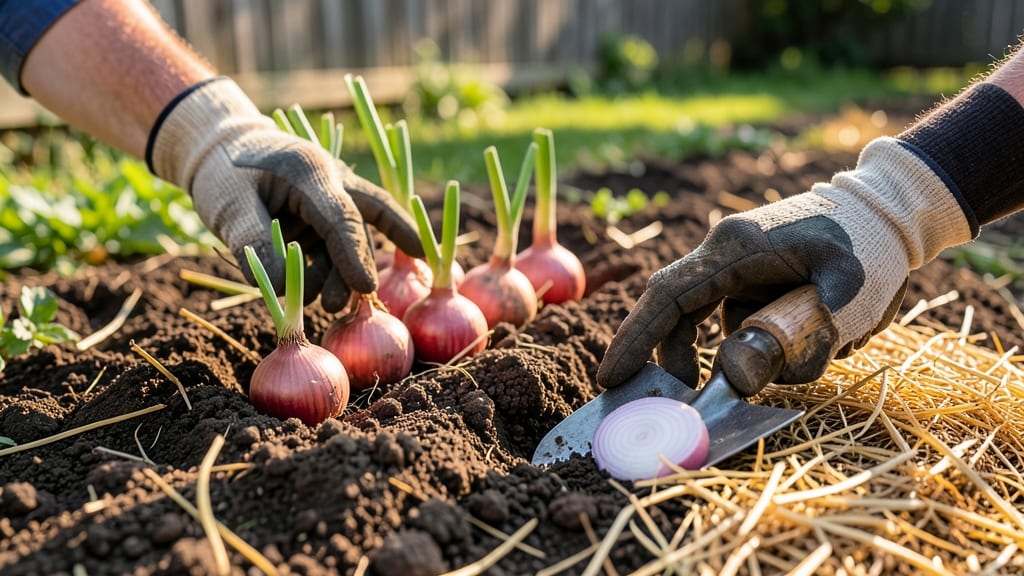
Red onion sets grow faster than anything in my garden—60 days from planting to harvest, no fuss. 🌱 I used to buy bulbs at the store, but after my first homegrown batch, I never looked back.
The secret isn’t complicated: these little dried onions need sunlight, decent soil, and consistent water—not much else.
Start with well-draining soil and full sun (at least 6 hours daily). Plant sets ½ inch deep, 2-3 inches apart, and keep them moist but not soggy.
Weeds are the real enemy here—pull them early, and you’ll avoid most headaches. I’ve grown these in spring, fall, and even winter under grow lights with great results.
By midseason, you’ll see deep green tops and the telltale onion bulbs forming below. Harvest when tops yellow and flop over—pull gently to avoid bruising. Store them in a dry, dark place, and you’ll have fresh onions for months.
No more wilted grocery store bulbs, just crisp, flavorful onions straight from your plot.
Works in containers, raised beds, or in-ground gardens—even small spaces produce enough for a family. Pair them with carrots, lettuce, or beets for a foolproof vegetable trio. Ready to try it?
📚 In This Guide
- What you need
- Instructions
- Tips and common mistakes
- Wrapping up and next steps
What you need
- ● Red onion sets: 10–20 sets per square foot (or 1–2 sets per plant, spaced 2–4 inches apart). Look for certified organic or disease-resistant varieties if possible.
- ● Well-draining soil: A mix of garden soil, compost (20–30% by volume), and perlite or sand for loose, fertile ground. Aim for a pH of 6.0–7.0.
- ● Fertilizer: Balanced, slow-release fertilizer (10-10-10 or 5-5-5) at planting time.
- ● High-nitrogen fertilizer (like blood meal or fish emulsion) mid-season for leafy growth.
- ● Watering can or hose with a gentle spray nozzle: Onion sets need consistent moisture but hate soggy roots.
- ○ Mulch (optional but recommended): Straw, grass clippings, or shredded leaves to retain moisture and suppress weeds.
- ● Garden twine or stakes: For trellising if you’re growing green onions or letting them bolt.
- ● Row covers or shade cloth: To protect from pests or harsh sun in extreme climates.
- ● pH test kit: To check soil acidity before planting (onion sets thrive in slightly acidic to neutral soil).
- ● Compost tea or liquid seaweed: A foliar spray for a nutrient boost during dry spells.
- ● Gloves and knee pads: Because gardening is easier (and cleaner!) with a little comfort. 😉
Step-by-Step instructions for planting red onion sets
Here's the straightforward method I've used for years to grow crisp, sweet red onions with minimal effort.
🌱 Step 1: Prepare the Soil for Optimal Growth
Choose a sunny spot with 6+ hours of direct sunlight daily—red onions thrive where they get plenty of warmth. Work the soil to a depth of 12 inches, breaking up any clumps and removing rocks. The goal is loose, crumbly soil that lets roots spread easily.
Amend the soil with 2-3 inches of well-rotted compost or aged manure to improve drainage and fertility. Red onions dislike soggy conditions, so if your soil drains poorly, mix in 1 part perlite or coarse sand to 3 parts soil. You'll know the texture is right when it holds moisture but doesn't feel sticky.
🪴 Step 2: Plant Onion Sets at the Right Depth and Spacing
Push each onion set 1 inch deep into the soil, pointed end up. The sets should be spaced 4-6 inches apart in rows that are 12-18 inches apart. This gives roots room to expand without competing for nutrients. I like to plant in a grid pattern for even growth.
Water gently after planting to settle the soil around the sets. Avoid overwatering—you want the soil moist but not waterlogged. If you're planting in spring, aim for a date 4-6 weeks before your last frost. For fall planting, set them out 8-10 weeks before the first frost to allow time for harvest.
☀️ Step 3: Maintain Consistent Watering and Weed Control
Keep the soil evenly moist but never soggy. Water 1 inch per week, adjusting for rainfall—your goal is to maintain steady growth without stressing the plants. You'll notice the leaves start to turn a deeper green when moisture is right.
Pull weeds regularly, especially early on, since they compete for water and nutrients. Onions have shallow roots, so even small weeds can stunt growth. Mulch with 1-2 inches of straw or grass clippings after the plants are established to retain moisture and suppress weeds without smothering the onions.
✂️ Step 4: Harvest at Peak Maturity for Best Flavor
Red onions are ready to harvest when the tops yellow and fall over, usually 90-120 days after planting. Gently loosen the soil around the base with a fork and pull the onions out. Shake off excess dirt and let them dry in the sun for 1-2 days before storing.
For green onions, you can harvest the tops anytime by cutting them 1-2 inches above the bulb. The regrowth will be ready again in 2-3 weeks. Store mature bulbs in a cool, dry place with good air circulation—they'll keep for months if handled properly.
🌿 Step 5: Extend the Season With Successive Plantings
For year-round harvests, plant new sets every 2-3 weeks during the growing season. This staggered approach ensures you always have fresh onions. In cooler climates, you can even plant a fall crop that matures before winter sets in.
If you notice any yellowing leaves before harvest, it might signal a nitrogen deficiency. Side-dress with a light application of compost or a balanced organic fertilizer. Avoid over-fertilizing—too much nitrogen leads to leafy growth at the expense of bulb development.
Tips & tricks for perfect red onion sets growth
Let me share the insights that'll transform your red onion sets from mediocre to spectacular—no fancy tools required.
Soil Preparation Secret: The 12-inch deep soil prep in Step 1 isn't just about loosening dirt—it's about creating an oxygen-rich environment for those shallow onion roots. I've found that adding a handful of wood ash (from untreated wood) to the compost mix can boost flavor and deter pests naturally. Just be careful not to overdo it—too much ash raises soil pH too quickly.
Planting Precision: When planting your sets 1 inch deep in Step 2, make sure the pointed end faces upward—this ensures proper growth direction. I've seen beginners plant them sideways, which leads to stunted onions. Also, consider planting a few extra sets as sacrificial markers if you're unsure about spacing. You can always transplant them later if needed.
Watering Wisdom: The 1-inch weekly watering guideline in Step 3 is perfect, but here's the trick: water in the morning so the foliage dries quickly, preventing fungal diseases. I've noticed that red onions are particularly susceptible to onion smut if they stay wet overnight. A simple rain gauge helps track your weekly inch—just place one in your garden bed.
Harvesting Hack: For those 90-120 day harvest windows in Step 4, I've found that pulling onions when the tops start to yellow but haven't fully fallen over gives you the sweetest flavor. The drying period in sunlight is crucial—it hardens the skins and prevents spoilage. If you're short on time, you can speed this up by placing them in a well-ventilated area with a fan.
Pro Tips for Grow Red Onion Sets
- Let me share the insights that'll transform your red onion sets from mediocre to spectacular—no fancy tools required.
- Soil Preparation Secret: The 12-inch deep soil prep in Step 1 isn't just about loosening dirt—it's about creating an oxygen-rich environment for those shallow onion roots.
- Planting Precision: When planting your sets 1 inch deep in Step 2, make sure the pointed end faces upward—this ensures proper growth direction.
Frequently asked questions
Got questions about growing red onion sets? You’re not alone! Here are answers to the most common concerns—so you can grow confidently and troubleshoot like a pro.
Can I grow red onion sets in containers or just in the ground?
Red onion sets thrive in containers as long as the pot is at least 6–8 inches deep and has good drainage. Use a well-draining potting mix, and place containers in a spot with 6+ hours of sunlight daily. Just avoid overcrowding—space sets 2–3 inches apart.
How long does it take for red onion sets to mature?
Most red onion sets mature in 80–100 days from planting, depending on your climate and variety. If you’re in a hot region, they may mature faster (sometimes in 60–70 days). Harvest when the tops start to yellow and fall over—this signals peak flavor and storage readiness!
What if my red onion sets bolt (sprout flowers) too early?
Bolting usually happens due to heat stress, poor soil, or overcrowding. To prevent it:
- Choose short-day varieties (like ‘Red Baron’) for hot climates.
- Plant in cool weather (spring/fall) or use shade cloth in summer.
- Water consistently to avoid stress.
Do I need to fertilize red onion sets, and what’s the best method?
Light feeding boosts growth! Use a balanced fertilizer (10-10-10) at planting, then side-dress with compost or nitrogen-rich fertilizer when shoots are 4–6 inches tall. Avoid over-fertilizing—too much nitrogen can cause leafy growth with small bulbs. Organic options like fish emulsion or worm castings work great too!
Can I regrow red onions from store-bought bulbs?
Yes, but with limited success. Store-bought onions often have weak roots. Try this:
- Soak the bulb in water for 1–2 days to regrow roots.
- Plant in moist soil, pointy-side up, and keep soil consistently damp.
- Expect smaller yields—better to grow from sets or seeds for reliable harvests!
Wrapping up and next steps
Growing red onion sets is simpler than you think—just a little patience and the right conditions, and you’ll soon enjoy a bountiful, homegrown harvest! Whether you’re a beginner or a seasoned gardener, these hardy plants thrive with minimal effort, making them a perfect addition to any garden or container.
Now that you’re armed with the know-how, why not take the next step?
🌱 Ready to Grow?
Start small—plant a few sets this week and watch your confidence (and harvest!) grow. Before you know it, you’ll be sharing fresh, flavorful red onions with friends or savoring them in your favorite dishes. Happy gardening! 🌿