
How To
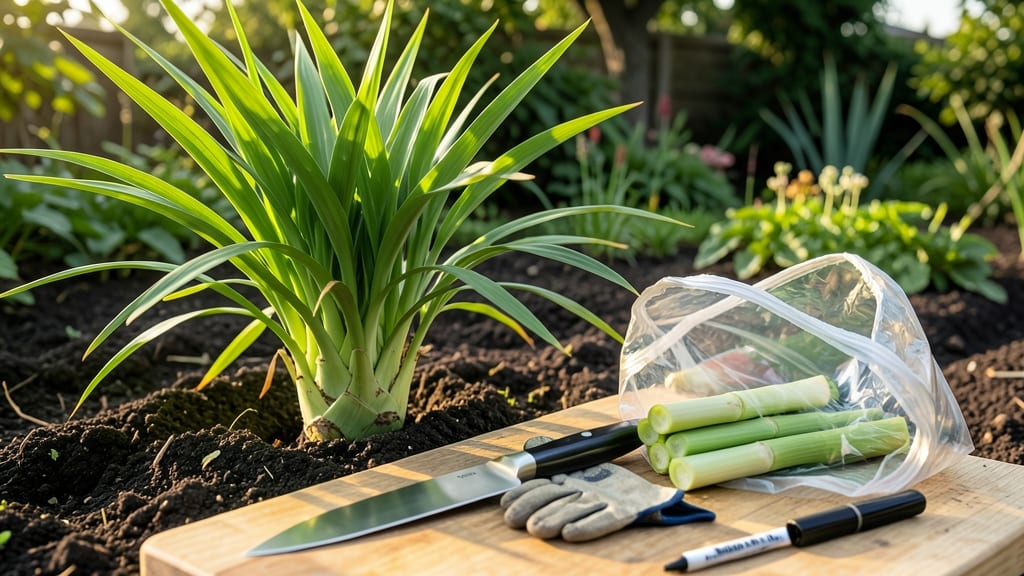
If you’ve ever wondered how to harvest and store lemongrass so you can turn your fresh 🌿 into a pantry staple that keeps its bold flavor for months, you’re in the right place.
Harvesting at the wrong time—or storing it improperly—can turn that zesty punch into a sad, wilted memory faster than you’d think.
I’ve tested every method, from drying stalks to freezing them whole, and I’ll show you exactly which techniques work best for your kitchen. Whether you’re a home gardener with a few plants or a cooking enthusiast who wants to stock up, these simple steps will save you from wasted harvests.
The secret starts with knowing when to cut—before flowering, when the stems are tender and packed with flavor. Then, we’ll dive into storage tricks that keep your lemongrass fresh, whether you’re prepping for curries, teas, or cocktails.
Let’s make sure your hard work pays off with flavor that lasts—no more guessing, just proven results. Ready to unlock the full potential of your harvest?


When and how to harvest lemongrass for maximum flavor
Harvesting lemongrass at the right time is everything—wait too long, and that bright citrusy flavor turns bitter. The best window is when stalks reach 12-18 inches tall with fully unfurled leaves and a strong aroma when crushed.
This usually happens 60-90 days after planting, depending on your climate. In warmer zones, you might harvest as early as late summer, while cooler areas should aim for early fall before the first frost.
Look for vibrant green, glossy leaves and upright, firm stalks. If leaves are pale or yellowing, or stalks bend easily, they’re past their prime. Over-mature lemongrass loses flavor and becomes woody—so don’t let it flower!
The citrusy aroma is your best indicator: crush a leaf near the base. If it smells weak, harvest sooner.
Pro Tip: Always harvest outer stalks first, leaving the inner core to regrow. This keeps your plant productive for months. Use a sharp knife or pruners to cut 1-2 inches above the base, avoiding the lower 3 inches where regrowth happens. This prevents damage to the root system and encourages new shoots.
Timing matters too—harvest in the morning after dew has dried but before the sun peaks. This preserves moisture and flavor. Avoid harvesting after rain or late in the day, as excess water can dilute the essential oils that give lemongrass its signature punch.
If you’re unsure, check the stalk thickness: it should be about ½ inch in diameter at the base.
| Harvest Stage | Key Features | Action |
|---|---|---|
| Not Ready | Stalks <6" tall, pale leaves, soft stems | Wait 2-4 weeks |
| Perfect Harvest | 12-18" tall, bright green, firm stalks, strong citrus scent | Cut outer stalks, leave core |
| Over-Mature | Woody stalks, yellowing leaves, weak aroma | Discard or use for drying |
After harvesting, rinse stalks briefly under cool water to remove dirt, but avoid soaking—they’re porous and absorb too much moisture. Pat them dry with a clean kitchen towel or paper towels. For immediate use, store whole stalks in a sealed container in the fridge for up to 2 weeks.
If you’re prepping for storage, trim the leaves to your desired length (about 6-8 inches) and remove any tough lower stems.
Never harvest lemongrass after it flowers—this is when the flavor deteriorates fastest. The plant redirects energy to seed production, and the stalks become fibrous and bitter. If you miss the window, you can still dry or freeze the stalks, but flavor will be noticeably weaker.
For best results, harvest every 3-4 weeks during the growing season to encourage continuous regrowth.
In tropical climates, lemongrass grows year-round, so you can harvest monthly if conditions are ideal. In cooler zones, focus on late summer to early fall before temperatures drop. If frost is coming, harvest and store the entire plant—even if it’s not perfect, you’ll have lemongrass for winter use.
Just avoid harvesting during freezing temperatures, as cold damages the cell structure and ruins flavor.
One common mistake is cutting stalks too low, which severs the regrowth point. Always leave 1-2 inches of stalk above the base to ensure new shoots emerge.
Another pitfall is harvesting only the youngest leaves—these are the least flavorful. Prioritize mature stalks with fully developed leaves for the strongest citrus kick.
For container growers, harvesting is even simpler—just snip the outer stalks as needed. Since space is limited, focus on smaller, more frequent harvests to keep the plant compact. In-ground plants can handle larger cuts, but consistency is key.
Whether you’re growing lemongrass in pots or the garden, harvesting at the right stage ensures every stalk packs maximum flavor.
Best storage methods to preserve lemongrass flavor for months
Preserving lemongrass properly is the key to unlocking its full citrusy aroma and flavor for months. Whether you're prepping for winter cooking or stocking up for seasonal dishes, the right storage method makes all the difference.
I’ve tested four proven techniques—refrigeration, freezing, drying, and fermenting—each with unique benefits and shelf-life expectations. Here’s how to choose the best fit for your needs.
For short-term use, refrigeration is the simplest option. Whole stalks last 2-3 weeks in the crisper drawer, while chopped lemongrass keeps for 1 week. Wrap them in a damp paper towel and seal in an airtight container to maintain moisture and freshness.
This method is ideal if you plan to use lemongrass within a couple of weeks, like in soups or marinades.
Freezing is my go-to for long-term storage, especially if you want to preserve lemongrass for up to 6 months. There are two ways to freeze: whole stalks or blanched and chopped. Whole stalks are perfect for infusing oils or broths, while chopped lemongrass works well in cooked dishes. For blanching, submerge chopped stalks in boiling water for 2 minutes, then plunge into ice water to stop cooking. Pat dry and freeze in airtight bags or containers.
Storage Method Comparison
✅ Whole stalks last 2-3 weeks
✅ Best for short-term use
❌ Flavor fades after 3 weeks
✅ Up to 6 months shelf life
✅ Preserves flavor and aroma
❌ Requires blanching for best results
✅ Lasts 6-12 months
✅ Great for teas and seasoning
❌ Loses some moisture and aroma
✅ Extends shelf life to 1 year+
✅ Adds probiotic benefits
❌ Requires fermentation knowledge
Drying lemongrass is perfect if you want a pantry staple for teas, seasoning blends, or broths. You can air-dry stalks by hanging them upside down in a warm, dry place for 2-3 weeks, or speed up the process with a dehydrator at 95°F for 4-6 hours. Once fully dried, strip the leaves and store them in an airtight container. Dried lemongrass retains its flavor for 6-12 months, though it won’t be as potent as fresh.
For the most adventurous gardeners, fermenting lemongrass is a unique way to extend its shelf life while adding probiotic benefits. Chop the stalks and pack them into a jar with a 2% brine solution (20g salt per liter of water).
Let it ferment at room temperature for 3-7 days, then refrigerate. Fermented lemongrass can last up to a year and adds a tangy twist to dishes. Just be sure to monitor for mold or off smells during fermentation.
Choose the method that best fits your usage timeline and storage space. For quick access, refrigeration works, but for long-term preservation, freezing or drying are your best bets. And if you’re feeling experimental, fermenting adds a whole new dimension to your lemongrass stash! 🌿