
How To
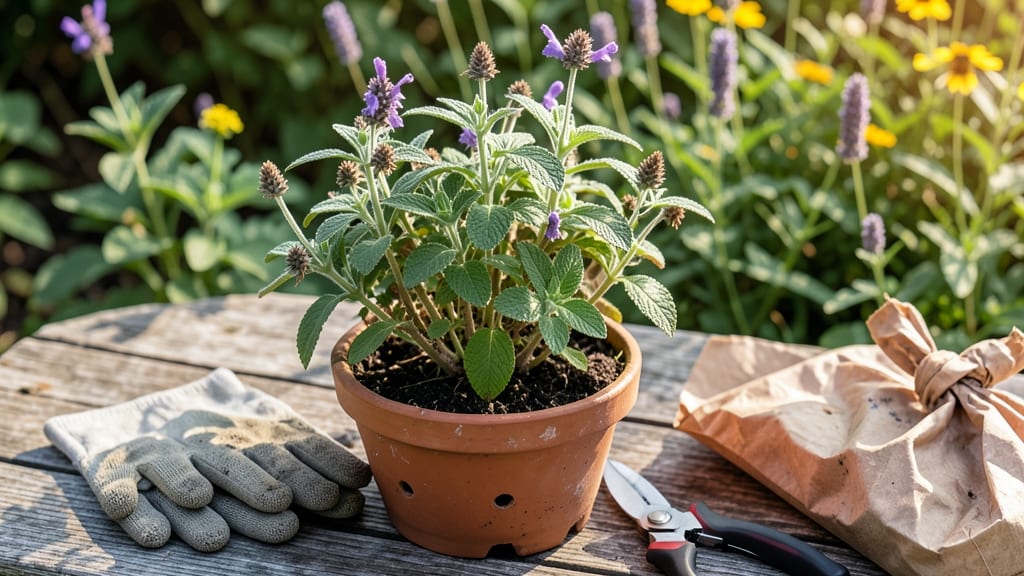
Harvesting catnip seeds at the right time can mean the difference between a bountiful yield and losing most of your crop to hungry birds or poor timing.
This simple herb, beloved by cats 🐱, holds a secret many gardeners overlook—its seeds are just as valuable as the leaves, if not more, for propagation and DIY projects.
If you’ve ever watched your catnip plants flower and wondered when to collect those tiny seeds, you’re not alone. The key lies in knowing exactly when the seed heads mature—usually between late summer and early fall, depending on your USDA zone.
Miss this window, and you’ll end up with seeds that won’t sprout or plants that never reach their full potential.
In this guide, I’ll walk you through the exact steps to harvest catnip seeds without wasting a single one. From identifying the perfect moment (when those pods turn brown and crispy) to drying and storing them properly, you’ll learn how to turn your garden into a seed-saving powerhouse.
No more guesswork—just a foolproof method for maximum yield.
Whether you’re growing catnip for your feline friends or planning to expand your herb garden next spring, mastering seed harvest is a game-changer. Let’s get started so you can enjoy fresh catnip—and seeds—for years to come.


When to harvest catnip seeds: the best time frame for peak yield
Timing is everything when harvesting catnip seeds, and missing this window can mean losing up to 70% of your yield. The 3-week harvest window begins after flowering when the seed heads mature.
This critical period starts when the white flowers fade and the seed pods begin turning brown—a clear sign the plant is directing energy toward seed production instead of foliage.
I’ve learned the hard way that harvesting too early means immature seeds that won’t germinate, while waiting too long risks seed loss to birds or weather. The ideal harvest time is when the seed pods turn brown and papery, and they easily split open when gently squeezed.
This usually occurs 60-90 days after planting, depending on your climate and growing conditions.
Here’s the key: Look for these 3 visual cues to confirm readiness:
- Brown, dried seed pods (no green remaining)
- Crispy, papery texture when touched
- Rattling sound when shaken (seeds inside are loose)
If your pods match all three, it’s time to harvest!
- 🌸 Flowering Stage (4-6 weeks after planting): White flowers appear. Do NOT harvest seeds yet!
- 🟡 Seed Pod Formation (6-8 weeks): Pods turn from green to yellowish-brown. Still not ready—wait for full maturity.
- 🟤 Optimal Harvest Window (8-12 weeks): Pods are brown, dry, and split easily. Harvest immediately to prevent seed loss.
- ⚠️ Past Maturity (Beyond 12 weeks): Pods may shatter open or seeds fall to the ground. Yield drops significantly.
One mistake I made early on was harvesting catnip seeds in the afternoon, which left moisture trapped in the pods. This delayed drying and risked mold. Always aim for morning harvests when dew has evaporated but temperatures are still mild—ideal conditions for preserving seed quality.
Your USDA Zone also plays a role. In Zones 6-9, the harvest window typically falls between late August and early September. However, if you’re in a warmer zone like Zone 10, you might see seed maturation as early as July.
Pay attention to your local frost dates—harvesting before the first frost ensures you capture the full yield.
Another trick I’ve picked up from experienced gardeners is to mark a few seed pods with a small piece of tape when they first turn brown. Check them daily—the moment they split open easily, that’s your cue to harvest.
This simple step can double your seed yield by ensuring you don’t miss the perfect moment.
If you’re growing catnip for both leaves and seeds, prioritize seed harvesting in the second year of growth. First-year plants focus energy on establishing roots, so their seed production is minimal.
Save the big harvest for year two when the plant is fully mature and ready to reward you with a bountiful seed crop.
Finally, don’t overlook the stem hardening test. When the seed pods are ready, the stems will feel woodier and less flexible than during the flowering stage. This is nature’s way of telling you the plant has redirected its resources to seed production—your signal to act quickly before the seeds scatter.
Harvesting at the right time isn’t just about quantity; it’s about seed viability. Mature seeds store better and germinate at higher rates, giving you a head start on next year’s garden. With these cues in mind, you’ll never miss the golden window for harvesting catnip seeds again. 🌱
When to harvest catnip seeds: the best time frame for peak yield
Timing is everything when harvesting catnip seeds. Miss the window, and you risk losing 70% of your yield to birds or weather. The perfect moment arrives 3-4 weeks after flowering, when seed pods turn from green to brown and papery.
This shift signals maturity—seeds inside are ready for collection.
Look for three key signs of readiness: seed pods that open easily with slight pressure, a rattling sound when shaken, and visible seeds inside. If pods stay green or feel firm, they’re not ready yet—harvesting too early reduces viability. Patience here ensures high-quality seeds for next season.
🌱 Pro Tip: Harvest on a dry, sunny morning to prevent moisture from clinging to seeds. Avoid rainy days—wet seeds mold faster during storage.
Harvesting too late? Seeds may scatter naturally, reducing your seed yield by 50%. Watch for birds or squirrels—they’re drawn to ripe catnip pods! Cover plants with fine mesh netting if wildlife is a concern. This simple step preserves your hard work.
💡 Did You Know? Catnip seeds stay viable for 2-3 years if stored properly. Rush harvesting, and you might end up with low-germination seeds—always prioritize timing over speed.
Once you spot these signs, act quickly. The 3-week harvest window is your best shot at maximum seed production. Next, we’ll cover the step-by-step harvesting process to ensure you don’t waste a single seed.