
Picking
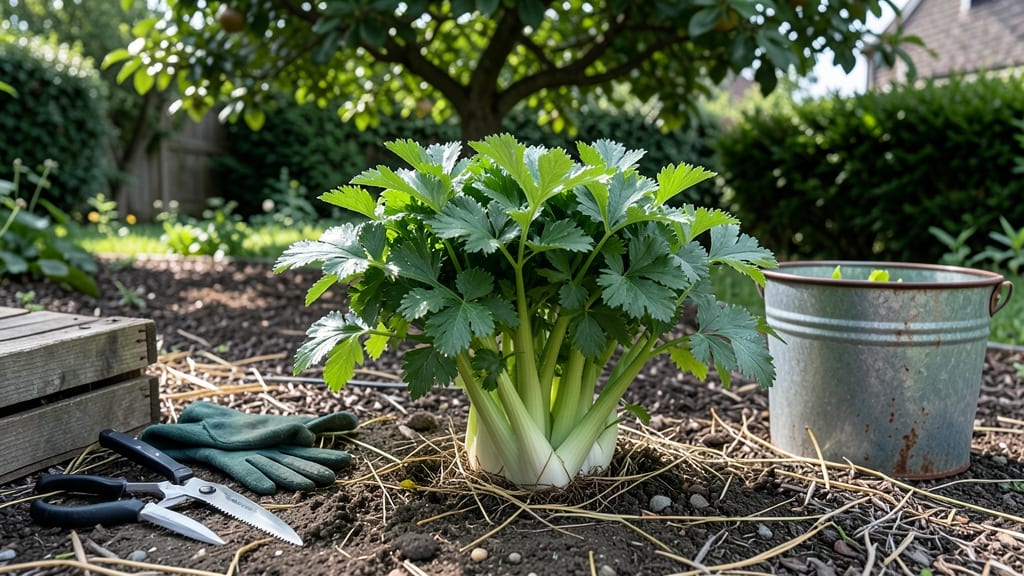
Celery keeps growing after harvest—if you cut it right. ✂️ I’ve regrown celery from stumps for years, and the secret lies in leaving enough plant below ground to fuel new shoots.
Most people chop too low and kill the roots, but with the right technique, you’ll get fresh celery regrowth in just 7 days.
The key is timing and precision: harvest when stalks are mature but still firm, then slice just above a leaf node while leaving 2-3 inches of stump.
After cutting, water deeply to help roots recover. This method works for both home gardens and container-grown celery, giving you multiple harvests from a single plant.
What you’ll end up with is a continuously productive celery plant that keeps pushing new growth for 3-4 months—no replanting needed. The regrown stalks taste just as crisp and sweet as the first harvest, and you’ll save money while reducing food waste.
Just avoid over-harvesting or the plant will weaken.
This technique works best in warm seasons when soil stays consistently moist. For cooler climates, harvest before the first frost or move potted celery indoors. The same method applies to celeriac and celery root varieties too. Ready to try it?
📚 In This Guide
- What you need
- Instructions
- Tips and common mistakes
- Wrapping up and next steps
What you need
- ● Celery stalk – Choose a fresh, organic stalk with a healthy base (about 3–4 inches of root still attached).
- ● Sharp knife or kitchen shears – A clean cut ensures minimal damage to the root.
- ● Shallow water container – A small bowl, glass, or jar (at least 2–3 inches deep) to submerge the root end.
- ● Filtered or room-temperature water – Tap water can work, but filtered water is gentler on regrowth.
- ○ Optional: Root hormone gel or cinnamon powder – A pinch can boost root regeneration (about ¼ teaspoon of cinnamon or a dab of gel).
- ● Bright, indirect sunlight spot – A windowsill or grow light (if natural light is limited).
- ● Small pebbles or marbles – Place them in the water to weigh down the stalk and keep the root submerged.
- ● Organic fertilizer (diluted) – A few drops of seaweed extract or fish emulsion can give your regrowing celery a nutrient boost.
- ● Spray bottle with water – Keeps the leaves hydrated if the air is dry.
Step-by-Step instructions for regrowing celery from harvested stumps
Here's how to turn your celery harvest into fresh regrowth—no replanting needed.
💧 Step 1: Prepare the Stump for Regrowth
After harvesting your celery, leave the bottom 1-2 inches of the stump intact—this is where new growth will sprout. Rinse off any soil clinging to the base with cool water, then trim away any wilted or damaged outer leaves with clean scissors. You want a healthy, firm stump with at least 3-4 inches of remaining stem.
Place the stump in a shallow dish of lukewarm water (about 1 inch deep) so the base sits submerged. The water should cover the roots but not the top portion. Change the water daily to prevent bacterial growth—stagnant water turns cloudy and smells sour after 24 hours.
☀️ Step 2: Position for Optimal Light and Humidity
Set the dish in a spot with bright, indirect light—think east-facing windowsill or under fluorescent lights. Direct sun will scorch the tender new shoots, while too little light slows regrowth. You’ll see tiny green sprouts emerging from the stump’s base in 3-5 days if conditions are right.
Cover the dish loosely with a plastic bag or clear lid to trap humidity, but leave it slightly ajar for airflow. Mist the stump lightly with water every 2-3 days to maintain moisture without drowning the roots. Watch for condensation on the bag—this means your humidity levels are perfect.
🌱 Step 3: Encourage New Growth and Transplant
Once 1-2 inches of fresh green growth appear (usually 7-10 days), it’s time to transition the stump to soil. Fill a small pot with moist potting mix and plant the stump 1 inch deep, burying the base but leaving the new shoots exposed. Gently pat the soil around it to secure it without compacting.
Water lightly until the soil feels damp 1 inch down, then place the pot in a spot with 4-6 hours of sunlight daily. Avoid overwatering—celery roots rot quickly in soggy soil. You’ll notice the new shoots thicken and develop leaves within 2-3 weeks, signaling successful regrowth.
✂️ Step 4: Maintain and Harvest Again
Keep the soil consistently moist but never waterlogged, and fertilize lightly with diluted liquid fertilizer every 4-6 weeks to support growth. When the new stalks reach 6-8 inches tall, you can harvest them again by cutting just above the base. This time, the regrowth may be slower, but you’ll still get 2-3 more harvests from a single stump.
Here’s the thing—this method works best with organic celery. Conventionally grown celery often has chemical residues that inhibit regrowth. If your stump doesn’t sprout after 10 days, try starting fresh with a new plant or check for signs of rot in the base.
Tips & tricks for regrowing celery from stumps
Here's what I learned from watching celery stumps grow—and what nobody tells you about keeping them thriving.
Stump Selection Matters: In Step 1, when choosing your stump, look for one with multiple healthy nodes (those little bumps along the stem) near the base. These are where new roots and shoots will emerge. I've found that stumps with 3-4 nodes have the best success rate—each node can produce a new shoot. If your stump has only 1-2 nodes, you might need to use two stumps to get decent regrowth.
Water Quality Tip: While Step 1 calls for lukewarm water, I've had better results using filtered or rainwater instead of tap water. Tap water often contains chlorine and fluoride that can stress the stump. If you must use tap water, let it sit out uncovered for 24 hours to allow chlorine to evaporate before using it. The water should be clear and odorless—never use water that's cloudy or smells funky after sitting.
Light Positioning: For Step 2, that bright indirect light is crucial, but don't overlook the angle. Position your stump so the new shoots get light from above, not just from the side. I place mine on a windowsill where morning sunlight hits it directly for 2-3 hours, then shifts to indirect light for the rest of the day. This mimics natural sunlight patterns and encourages stronger growth. You'll know you've got it right when the new shoots grow toward the light source.
Transplanting Timing: In Step 3, when you see 1-2 inches of growth, don't rush to transplant. Wait until you have at least 2-3 shoots that are 1-2 inches tall before moving to soil. This gives the stump enough energy reserves to establish new roots. I've seen stumps fail to thrive after transplanting too early because they didn't have enough stored energy. Also, make sure your potting mix is warm—celery roots grow best in soil that's between 60-65°F.
Pro Tips for Harvest Celery So It Keeps Growing
- Here's what I learned from watching celery stumps grow—and what nobody tells you about keeping them thriving.
- Stump Selection Matters: In Step 1, when choosing your stump, look for one with multiple healthy nodes (those little bumps along the stem) near the base.
- Water Quality Tip: While Step 1 calls for lukewarm water, I've had better results using filtered or rainwater instead of tap water.
Frequently asked questions
Got questions about keeping your celery growing after harvest? You’re not alone! Here are some common concerns—and straightforward answers—to help you master the regrowth process like a pro.
Can I regrow celery from any store-bought bunch?
Not all store-bought celery will regrow successfully. Look for organic, pesticide-free bunches with a thick, sturdy base—the wider the better! Avoid pre-cut or heavily trimmed stalks, as they lack the energy reserves needed to regenerate. If the base feels soft or mushy, it’s likely past its prime for regrowth.
How long does it take for celery to regrow after harvesting?
With the right conditions, you’ll see new shoots in 7–14 days, but full regrowth (ready for another harvest) can take 4–6 weeks. Patience is key! Keep the soil consistently moist and place the stump in bright, indirect light. If you’re impatient, try harvesting just the outer stalks first to give the center time to recover.
What if my celery stump rots before it regrows?
Rotting is a common issue, usually caused by too much moisture or poor drainage. To prevent it:
- Use a shallow container (like a jar or small pot) with drainage holes.
- Change the water every 2–3 days to keep it fresh.
- Avoid submerging the base—just keep it 1–2 inches underwater.
Can I harvest celery multiple times from the same stump?
Yes! Once your celery regrows, you can harvest it 2–3 times before the stump weakens. After the second harvest, the new growth will be thinner and less robust. For best results, let the stump rest for 1–2 weeks between harvests. If it stops producing, compost it and start fresh with a new bunch.
What if my celery only grows leaves and no stalks?
This happens when the plant focuses on leafy growth instead of stalks, often due to:
- Too much light (direct sun can scorch the stump).
- Lack of nutrients (use diluted fertilizer after 2 weeks).
- Overcrowding (trim leaves to encourage stalk growth).
Wrapping up and next steps
Harvesting celery the right way doesn’t have to mean the end of your homegrown supply—with just a few simple steps, you can regrow fresh celery from the same stump in as little as 7 days! 🌱 Whether you’re trimming for recipes or reviving wilted stems, this method keeps your garden productive and your kitchen stocked with crisp, homegrown goodness.
Now that you’re armed with the know-how, give it a try—your future self (and taste buds) will thank you!
Ready to level up your regrowing game? Next, explore how to optimize your celery’s growing conditions for even faster regrowth—or share your success with fellow gardeners! 🌿