
Picking
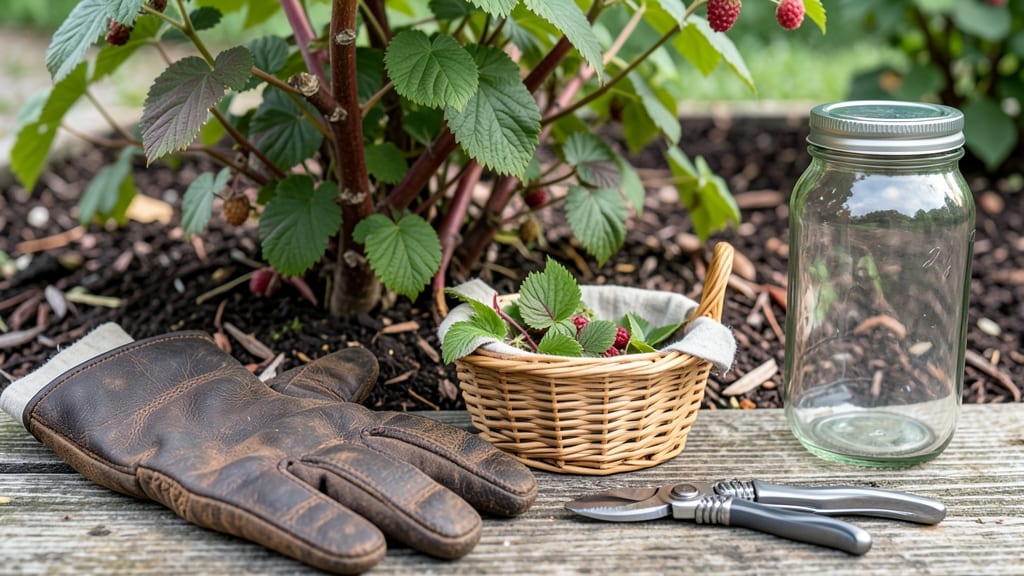
Spring’s raspberry leaves are nature’s secret ingredient for fragrant tea. 🌿 I’ve been brewing them since my first canes produced those velvety, bright-green leaves—and now I’m sharing exactly when and how to harvest them without harming your plants.
The best time is early morning after dew dries but before full sun wilts them. Look for mature leaves (4-6 inches long) on new growth, avoiding any yellowed or spotted ones. If your berries are organic, you’re golden—otherwise, skip leaves from recently sprayed plants to keep your tea pesticide-free.
With just a sharp pair of scissors and a clean jar, you’ll have fresh tea leaves ready in minutes. The flavor? Earthy, slightly tart, and packed with antioxidants—like a forest walk in a cup. This is also the perfect time to give your raspberry canes a light pruning.
Sustainable harvesting means never taking more than one-third of a plant’s leaves in one go. Your bushes will thank you with bigger berries later—and you’ll have a stash of tea for months ahead.
📚 In This Guide
- What you need
- Instructions
- Tips and common mistakes
- Wrapping up and next steps
What you need
- ● Fresh raspberry leaves: Harvest from organic, pesticide-free plants (aim for young, tender leaves—about 1–2 inches long—for the best flavor). You’ll need roughly 1 cup (packed) per 1 quart of water for a standard brew.
- ● Pruning shears or sharp scissors: Clean, sterilized tools to avoid damaging plants or introducing bacteria. A pair with 4–6-inch blades works best.
- ● Glass jars or breathable cloth bags: For storage. Use airtight jars for short-term (up to 1 week) or mesh bags for drying (to allow airflow).
- ● Paper towels or a clean towel: To pat leaves dry before storage or drying.
- ○ Optional but helpful: A small colander or strainer (for rinsing leaves).
- ● A dehydrator or food dryer (if air-drying isn’t an option).
- ● Rubbing alcohol (70%+) and water to sterilize tools.
- ● Identify raspberry plants correctly: Ensure you’re harvesting from wild or cultivated raspberry bushes (not look-alikes like blackberry brambles). Look for serrated leaves, thornless canes (usually), and red/pink fruit.
- ● Check for pesticides/herbicides: Avoid leaves from treated plants—opt for organic farms or your own garden.
- ● Harvest timing: Pick leaves in the morning after dew has dried (for peak freshness) and before flowering (spring/summer).
Step-by-step instructions for harvesting raspberry leaves for tea
Here’s how to gather the best leaves for a fragrant, caffeine-free herbal brew—no fancy tools needed.
🌿 Step 1: Identify Healthy Raspberry Plants
Pick leaves from organic raspberry plants (or your own garden) that are free of pests or disease. Young, tender leaves near the tips of canes make the best tea—they’re lighter and milder than mature ones. Avoid leaves with brown spots, holes, or yellowing, as these can make your tea bitter or unpleasant.
I always harvest from the top third of the plant first, working my way down. This encourages new growth and keeps the plant bushy. A good rule of thumb: if the leaf feels soft and springs back when gently pressed, it’s ready. If it’s tough or brittle, wait a few days.
✂️ Step 2: Harvest Leaves at the Right Time
Timing matters—harvest early morning after dew has dried but before the sun gets too hot. This ensures the highest concentration of volatile oils, which give the tea its flavor. Avoid harvesting after rain or when leaves are wet, as moisture can make them moldy during drying.
Use clean, sharp scissors or pruning shears to snip leaves just above a leaf node (the small bump where leaves attach). This encourages the plant to grow thicker. I like to pick 3-4 leaves per stem at a time, leaving at least half the plant untouched so it keeps producing.
💧 Step 3: Rinse and Dry the Leaves
Rinse the leaves gently under cool water to remove dirt or debris, then pat them dry with a clean towel. Shake off excess water—wet leaves won’t dry properly and can develop mold. Spread them out on a clean, dry surface like a baking sheet or mesh screen in a warm, dry, shaded spot (not direct sun).
Turn the leaves every few hours to ensure even drying. They’re ready when they’re crisp and brittle—usually within 24-48 hours. Store them in an airtight container (like a glass jar) away from light until you’re ready to brew.
☕ Step 4: Brew Your Raspberry Leaf Tea
For a light, floral tea, use 1 teaspoon of dried leaves per cup of hot water. Steep for 5-7 minutes—longer steeping makes it stronger and more bitter. I like to add a slice of lemon or a dash of honey for extra flavor, but the leaves shine on their own.
Strain the leaves and enjoy! Store brewed tea in the fridge for up to 3 days, or freeze in ice cube trays for quick iced tea later. If you harvest regularly, you’ll have enough leaves for 4-6 cups of tea per season from a single plant.
Tips & tricks for perfect raspberry leaf harvesting
Here's what I've learned after harvesting raspberry leaves for years—these details make all the difference for the best-tasting tea.
Plant Selection: Focus on the youngest leaves at the tips of new growth—they're the most tender and flavorful. I avoid the larger, mature leaves lower on the plant because they can taste bitter. If you're harvesting from wild plants, always confirm they're raspberries first—some look-alikes can be toxic!
Timing Secret: The early morning window is critical for flavor. Harvest just as dew evaporates but before the sun peaks—this preserves the delicate volatile oils that give raspberry tea its signature aroma. If you miss morning, wait until late afternoon when the sun is lower. Avoid harvesting after rain, as wet leaves can develop mold during drying.
Drying Strategy: Don't rush the 24-48 hour drying process! Leaves need this time to become crisp and brittle. I set up a small fan on low to gently circulate air around my drying tray, which cuts drying time by about 20%. Just avoid direct airflow that could scatter leaves or create dust. Store dried leaves in an airtight glass jar away from light to preserve their freshness for months.
Brewing Wisdom: For that perfect light floral tea, stick to the 5-7 minute steeping range. I've found that using a fine-mesh tea infuser lets you reuse the same leaves for a second brew—just steep them for 3-4 minutes the second time. The flavor becomes more robust with each subsequent brew, though it loses some of that delicate freshness.
Pro Tips for Harvest Raspberry Leaves For Tea
- Here's what I've learned after harvesting raspberry leaves for years—these details make all the difference for the best-tasting tea.
- Plant Selection: Focus on the youngest leaves at the tips of new growth—they're the most tender and flavorful.
- Timing Secret: The early morning window is critical for flavor.
Frequently asked questions
Got questions about harvesting raspberry leaves for tea? You’re not alone! Here are some of the most common queries—plus straightforward answers to help you brew like a pro.
When is the best time to harvest raspberry leaves?
The ideal time is early spring or late summer, just before the first frost. Avoid harvesting after pesticides or fertilizers have been applied (wait at least 2–3 weeks). Young, tender leaves yield the most delicate flavor—perfect for tea!
Can I use dried raspberry leaves instead of fresh?
Dried leaves keep for 1–2 years in an airtight container away from light. They’re more concentrated, so use 1 tsp dried per cup (vs. 1 tbsp fresh). Store them in a cool, dark place to preserve potency.
What should I avoid when picking raspberry leaves?
Skip leaves from wild raspberry plants if they’re near roads or sprayed with chemicals—stick to organic or homegrown bushes. Avoid mature, tough leaves (they’re bitter) and never harvest from plants treated with herbicides. When in doubt, wash leaves thoroughly!
How do I store harvested raspberry leaves for later use?
For fresh leaves, pat them dry and store in the fridge for up to 5 days in a sealed container. To dry: spread leaves on a screen in a shady, well-ventilated spot for 3–5 days, then store in jars. Freeze leaves in ice cube trays for quick tea prep!
Are there any alternatives if I can’t find raspberry leaves?
Try blackberry, strawberry, or rose leaves—they’re close relatives and work well in tea. For a caffeine-free twist, peppermint or chamomile are great substitutes. Just adjust steeping times (raspberry leaves need 5–7 minutes for full flavor).
Wrapping up and next steps
Harvesting raspberry leaves for tea is a simple yet rewarding way to enjoy nature’s bounty—and you now have all the know-how to do it like a pro! 🌿 From selecting the freshest leaves to drying and brewing them, every step brings you closer to a soothing, antioxidant-rich cup.
Don’t wait for the perfect moment; your garden (or local patch) is ready—just grab your scissors and get started!
Ready to take the next step? Experiment with flavors by mixing raspberry leaves with other herbs like mint or chamomile, or dive deeper into herbal tea crafting. Your first brew is just a harvest away—cheers to your new tea adventure! ☕✨