
How To
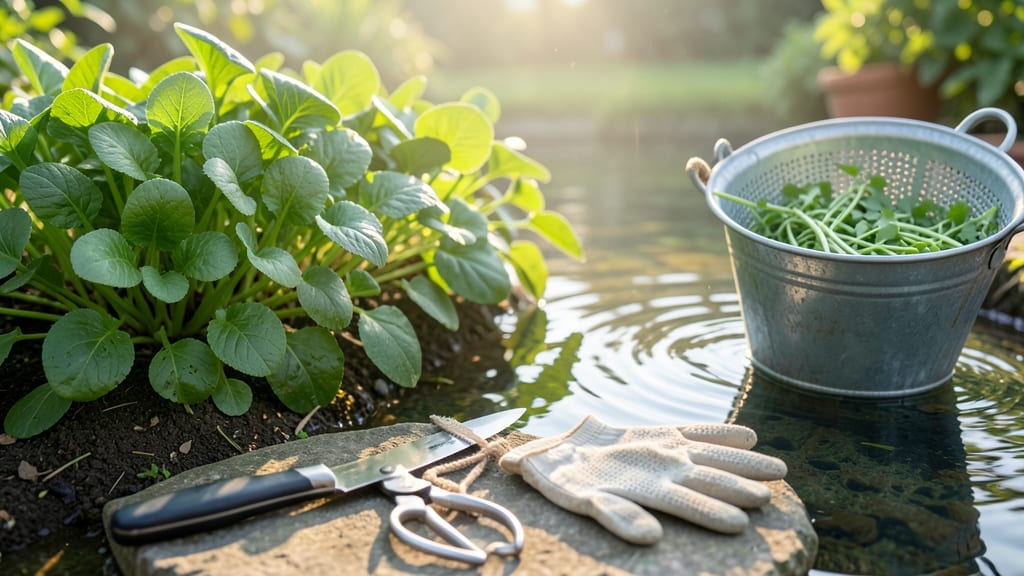
Harvesting watercress at the right time turns this peppery green into your kitchen's secret weapon—packed with nutrients and ready to elevate any dish. Whether you're growing it in shallow water or moist soil, knowing when and how to pick it ensures you get the freshest, most flavorful leaves every time.
Timing is everything with watercress 🌱—harvest young leaves when they're just 4-6 inches tall, and you'll avoid the bitter taste that comes with overgrowth. I'll walk you through the exact steps to harvest without stressing the plant, so you can enjoy a steady supply all season long.
But it's not just about when you harvest—how you store it makes all the difference. Learn the best ways to keep your watercress crisp for weeks, whether you're prepping it for salads or freezing it for later. No more wilted greens going to waste!
Ready to master the art of harvesting watercress? You'll discover the tools you need, the perfect cutting techniques, and even how to encourage regrowth for a never-ending harvest. Let's get started!


When and how to harvest watercress for maximum freshness and flavor
Harvesting watercress at the right time ensures maximum flavor and tender texture. I recommend harvesting when plants reach 4–6 inches tall, typically 4–8 weeks after planting.
Young leaves are the most peppery and crisp, while older leaves can turn bitter. For continuous harvests, cut outer leaves first to encourage regrowth.
Timing matters—morning harvests yield the freshest leaves since they’ve had overnight hydration. Avoid harvesting in hot afternoons when leaves wilt quickly. In mild climates, you can harvest year-round, but spring and fall produce the sweetest flavor due to cooler temperatures.
| Harvest Stage | Plant Height | Leaf Condition | Best Time to Harvest |
|---|---|---|---|
| Early Growth | 2–4 inches | Tender, bright green | Morning, every 2 weeks |
| Mature Stage | 4–6 inches | Crisp, peppery aroma | Weekly, outer leaves |
| Overgrown | 6+ inches | Bitter, woody stems | Avoid; trim back |
🌱 Harvest Tip: Always use clean, sharp scissors to avoid damaging stems.
For aquatic watercress, I pull plants gently from the water by their base leaves, leaving 2–3 inches of stem to regrow. If growing in soil, snip leaves with sterilized pruners just above a leaf node. This encourages bushier regrowth and prevents the plant from becoming leggy.
Seasonal adjustments are key: In summer heat, harvest more frequently to prevent stress, while winter harvests should be lighter to avoid shocking the plant. Mulch with straw or compost to protect roots in colder months.
Never harvest more than one-third of the plant at once—this ensures it stays productive. I’ve found that weekly trims in spring and biweekly trims in summer keep my watercress thriving. Overharvesting leads to stunted growth and poor flavor.
After harvesting, rinse leaves under cool, running water to remove dirt and debris. Pat dry with a clean towel or salad spinner to prevent wilting. Store immediately in a sealed container with a paper towel to absorb excess moisture.
Pro tip: If your watercress starts to bolt (send up flower stalks), harvest immediately—the leaves become bitter and tough once flowering begins. Bolt-resistant varieties like 'Indian' watercress are great for continuous harvests.
For long-term yields, fertilize lightly with fish emulsion every 4–6 weeks during growing season. Avoid high-nitrogen fertilizers, which can cause rapid but low-quality growth. A balanced 5-10-5 formula works best for flavorful, tender leaves.
💧 Remember: Watercress thrives in consistently moist conditions. Let the soil dry slightly between waterings to prevent root rot, but never let it become bone-dry. A shallow tray of water beneath containers keeps roots hydrated without waterlogging.
How much watercress to harvest and how to store it fresh for weeks
Harvesting the right amount of watercress ensures you enjoy its peppery flavor without overstressing the plant. For a single harvest, aim to cut no more than 1/3 of the plant at a time. This leaves enough foliage for regrowth while keeping the leaves tender and flavorful.
If you're harvesting for a large meal, focus on the outer leaves first—they’re fully mature and won’t stunt the plant’s growth.
For continuous harvests, space out your cuts every 1-2 weeks during the growing season. This method encourages bushier growth and prevents the plant from becoming bitter or leggy. Always use sharp scissors or pruning shears to avoid crushing stems, which can lead to wilting or disease.
Cut just above a leaf node to promote new growth from that spot.
🌱 Pros and Cons of Harvesting Methods
Pro: Preserves plant health, encourages regrowth
Pro: Clean cuts prevent damage, reduce disease risk
Con: Stunts regrowth, leads to bitter leaves
Con: Removes growth points, delays recovery
After harvesting, rinse your watercress thoroughly under cool, running water to remove dirt and debris. Gently shake off excess water and pat dry with a clean kitchen towel or paper towels. Avoid soaking the leaves, as this can cause premature wilting or mold growth.
For long-term storage, place the watercress in a sealed container with a damp paper towel to retain moisture.
To extend freshness, store harvested watercress in the crisper drawer of your refrigerator, where it can last up to 2 weeks.
For longer storage, consider blanching and freezing: Plunge the leaves in boiling water for 30 seconds, then transfer to an ice bath before drying and freezing in airtight bags. This method preserves nutrients and flavor for up to 6 months.
Label your bags with the harvest date to track freshness.
If you’re growing watercress in water, simply trim the leaves and return the plant to its shallow water source. The plant will continue producing new growth as long as it receives consistent moisture and partial shade.
Avoid letting the water stagnate, as this can lead to root rot or pest infestations. For soil-grown watercress, water deeply after harvesting to replenish moisture lost during the process.
For maximum flavor, use freshly harvested watercress within 3-5 days of cutting. The younger the leaves, the milder and sweeter they’ll taste. If you notice yellowing leaves or a stronger bitterness, it’s a sign the plant is overmature or stressed.
Adjust your harvesting frequency or water conditions to encourage healthier regrowth.